

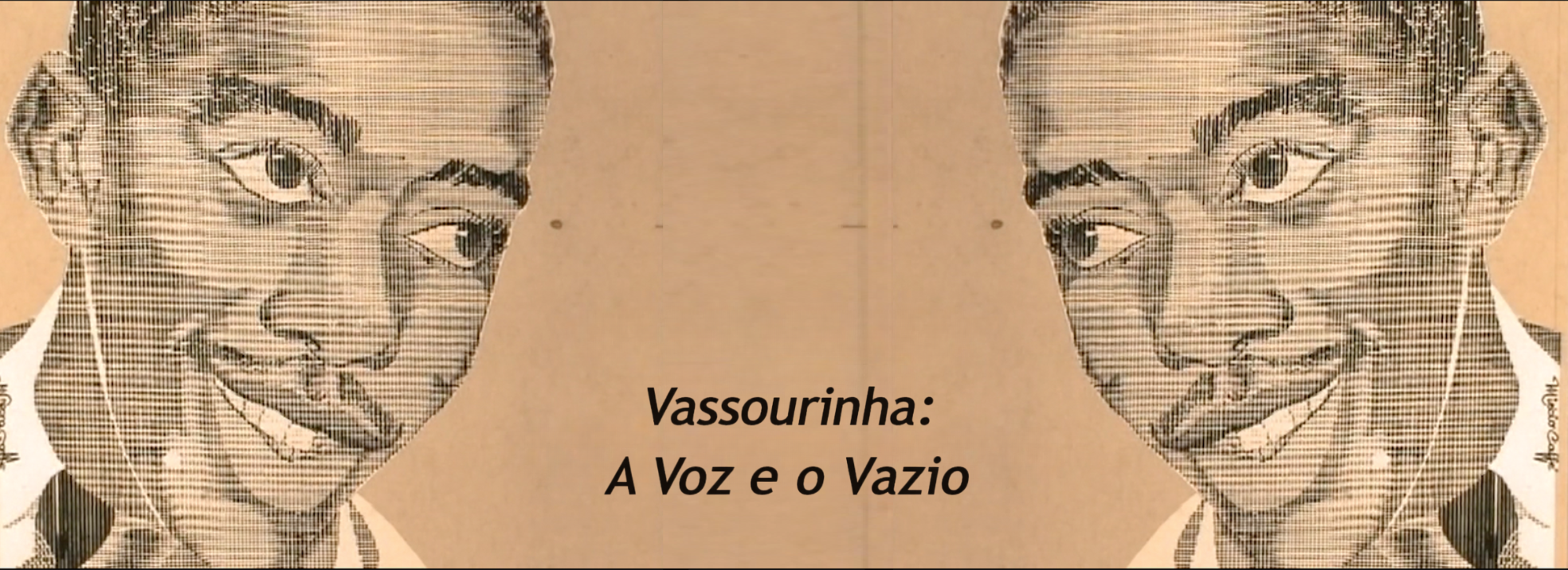
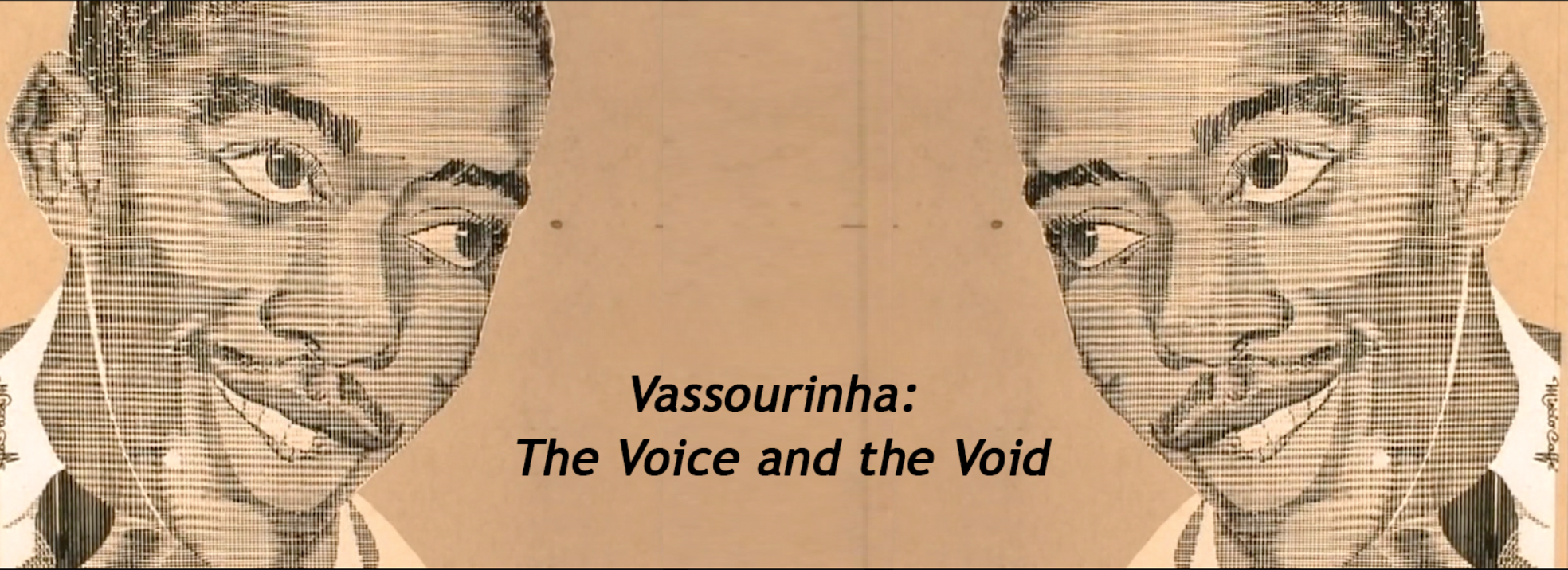
Mário de Oliveira Ramos, better known as Vassourinha, died at the age of 19 in 1942. That is the main statement relayed in Vassourinha: The Voice and the Void (1998), a short experimental film by Carlos Adriano. The film is a celebration, but also a lament. Somewhere between the late 1930s and early 1940s, the voice of a black teenager from São Paulo showed a lot of promise and was suddenly silenced. The film is built around this notion of a beginning followed by a violent interruption. It is about Vassourinha, but also about all of the other suddenly silenced voices throughout history. Brazilian voices plunged into the void. Why are there so many? Why are we so competent at silencing them?

Carlos Adriano reacts to this silencing in Vassourinha: The Voice and the Void by undergoing a materialist plunge, as he dives into the available records from Vassourinha's life. With the exception of the final scene, the film particularly utilizes two types of sources. The first and perhaps most important of these is the voice of Vassourinha. While most documentaries allow the voices of others to become the authorities on the life of forgotten artists, Adriano isn’t interested in having audiences rediscover Vassourinha in this typical way. In the film, there are no interviews with experts who praise Vassourinha, just as there is no traditional omniscient narration to tell his story. However, the voice we do hear in the film is that of the singer himself, edited and organized to elicit new meanings by the filmmaker. For Adriano, Vassourinha’s music should be the sole driving verbal force relaying his own story, above all allowing the tone of Vassourinha’s voice to set the dramatic arc in motion. As a result, Vassourinha himself takes on the lead role in the film, as mediator of his own rediscovery. He matters because the music we hear in the film matters. There are no experts on his life just as there are no fans who reminisce about his music. This is a film acting as the rediscovery of a memory completely devoid of nostalgia. The goal of the work is not simply to recover lost time. If Vassourinha does come to represent a symbol by the film's end, it is that of the ongoing process of silencing in Brazilian history.
The other central resource that The Voice and the Void utilizes is previously unearthed archival materials. Throughout the first three-quarters of the film, the shots consist of all the materials that Adriano and Bernardo Vorobow managed to collect about the artist. Photos, record covers, concert ads, newspaper clippings… All of these elements become clues to a forgotten history. As The Voice and the Void is a film of radical materialism, its meaning lies in the historical traces that were left behind by Vassourinha, such as these numerous memorabilia that had been withering away for nearly sixty years. When the camera centers on an article from a torn newspaper, the state of its condition is emphasized as much as its content. In highlighting this material condition, the film is intent on stopping the process of oblivion. Film itself thus becomes a gesture toward the recovering of memory.
Memory has always been a central concept throughout Adriano's oeuvre, it spreads over the texture of his every film. This is especially evident within Remainiscences (1997) and The Voice and the Void. After the death of Vorobow, his life partner and producer, what was a history of images is taken over by a memory-feeling, remembrances in moving images which speak directly to the filmmaker (his 2010 feature Santos-Dumont, pré-cineasta? marking the transition between these two phases). In The Voice and the Void the texture of memory bears a terrorizing feeling because the oblivion that the filmmaker fights is, historically, a cultural process that is highly characteristic of Brazil. The silencing of Vassourinha represents a deeper silence throughout Brazil’s history. The title of the film indicates this process: the voice, but also the void. And even if the film is taken over by Vassourinha’s music, its most memorable moments happen when Adriano interferes with it searching for effects, first making the record skip with an echo, and later interrupting the singer’s voice completely. There is nothing sadder than a film about a singer with silence. We dive into his void.

The Voice and the Void is a film about recovery, but it is also a film about resisting the historical tendency towards cultural erasure and oblivion so common to Brazil. Thus the film bears the mark of death. Mário de Oliveira Ramos died at 19, 56 years before Carlos Adriano made him this film. The film doesn’t allow us to forget that once. Death is brought to the fore again and again. His death certificate is shown and emphasized. In its final minutes, the film abandons the archives and heads to a location: the cemetery where Vassourinha is buried. The camera moves with a mix of freedom and sorrow (the cinematography is carefully executed by filmmaker Carlos Reichenbach), and in a final movement, it reaches out for the grave of Vassourinha. Thus ends the film, at the singer’s gravestone, simultaneously forgotten and remembered. One last material affirmation of memory, one last attempt at confronting death. Vassourinha’s voice lives on, but the void in Brazil’s collective memory continues on unperturbed. The film’s task is that of unbalancing said void, even if just for a while.

* This piece was originally published in Portuguese as part of the book Curta brasileiro: 100 filmes essenciais, organized by the Brazilian Association of Film Critics (Abraccine) in October, 2019.


