PT/ENG
PT/ENG
4/2/2022
By/Por:
Juliana Costa

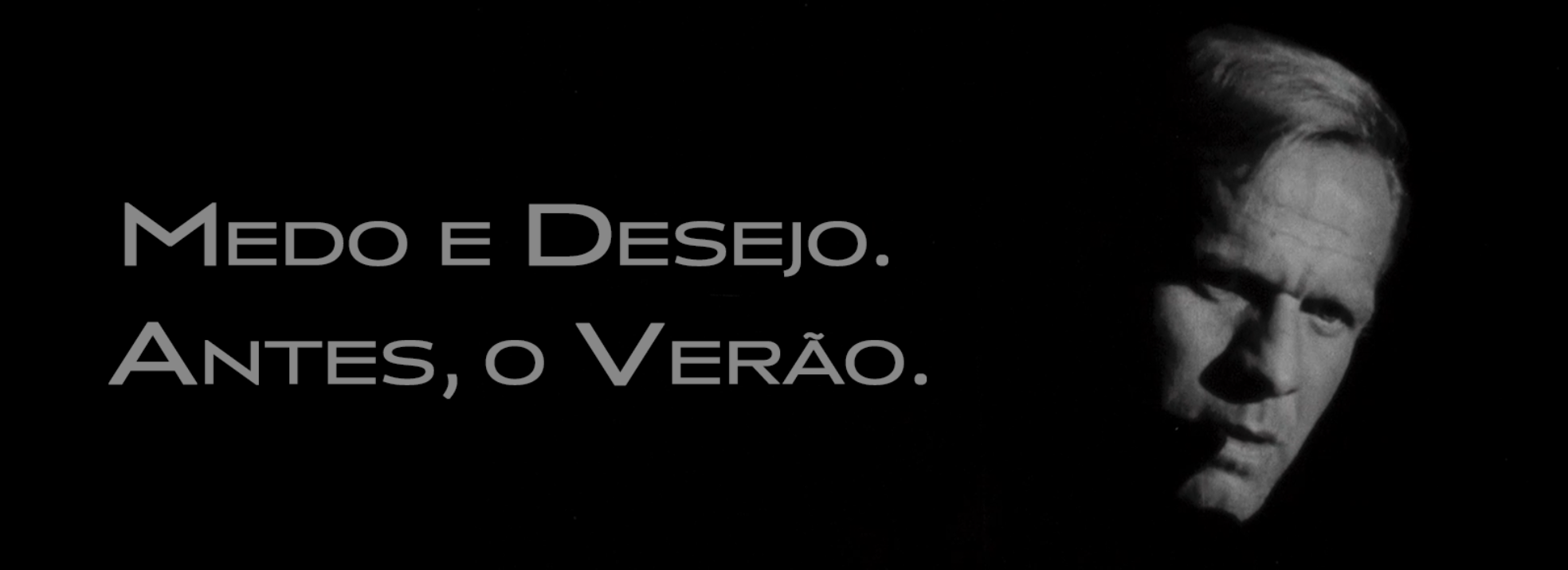
Pensar em Antes, o Verão (1968), de Gerson Tavares, é encarar de imediato o rosto indecifrável de Norma Bengell. “Só o rosto é indecente, do pescoço para baixo podia-se andar nu.”, disse Nelson Rodrigues. E nu é como está o corpo de Bengell, enlaçado pelos braços aflitos de Jardel Filho sob o sol a pino em um terraço em Cabo Frio, em uma das cenas eróticas mais quentes do cinema brasileiro – e não são poucas. Antes disso, um assassinato, duas traições, uma separação: um casal de meia idade, com filhos crescidos, vê sua crise conjugal virar uma investigação policial.

Depois de produzir Os Cafajestes (1962), de Ruy Guerra e Noite Vazia (1964), de Walter Hugo Khouri, e de filmar seu primeiro longa-metragem, Amor e Desamor (1966), Tavares tempera o cinema existencialista brasileiro com pitadas de noir e doses fartas de erotismo, com Antes, o Verão. Não que seus predecessores – dois deles também protagonizados por Bengell – não contassem com as curvas das atrizes para deslizar a sua mise-en-scène, ou não tivessem em torno do sexo, ou da sua falta, a sua trama principal.

No entanto, em Antes, o Verão, o erotismo não é apenas o disparador de uma reflexão sobre a existência, ou mesmo da sua impossibilidade, mas é o cimento com o qual Tavares constrói a sua trama investigativa nupcial. Dito isto, a incomunicabilidade à Antonioni, tão atribuída aos filmes brasileiros deste período e desta geração de cineastas, tem seu limite nos corpos dos personagens. Estes sim se comunicam, entre eles e com o público, antes de tudo. O torso nu de Jardel Filho já nos primeiros minutos de filme não deixa dúvidas: antes, o calor.

Enquanto a cena de assassinato que abre o filme, as recorrentes sombras nas paredes e a atmosfera policial – além, claro, da femme fatale de família de Norma Bengell – podem localizar Antes, o Verão em um espectro do cinema noir, os corpos bronzeados, destacados mesmo no preto e branco ensolarado da fotografia de José Rosa, o lançam imediatamente abaixo da linha do equador. As dissonâncias não param por aí. A imagem de abertura, com os faróis que acossam o personagem de Hugo Carvana ao som da trilha assinada por Erlon Chaves, apresenta o tom jazzístico do filme, que dará o compasso da narrativa, fragmentada em flashbacks e da montagem de Roberto Pires.

Mas antes, o rosto de Norma Bengell. É com a sua imagem congelada que Tavares encerra o filme. É o enigma de seus olhos melancólicos, faróis de um corpo em estado de desejo, que intriga a espectadora e conduz a trama. Assistimos ao filme pela perspectiva do personagem de Jardel Filho, suas memórias, suas lembranças, seus fantasmas e desejos. Bengell é uma imagem, que se dá ao nosso olhar inquiridor. Imagem muitas vezes opaca, de tensão e fascinação, da qual, juntamente com o marido, não sabemos as motivações. Mas sabemos do medo e do desejo de seu rosto.

Antes, o Verão pode ser visto como um filme de separação conjugal, destes tão presentes entre as décadas de 1950 e 1970, quando terminar um casamento se torna uma possibilidade flagrante. A sombra da ruptura nupcial é notável nas tramas, nos personagens e mesmo no tecido fílmico: o happy end não é mais um axioma. Se o divórcio iminente no filme de Tavares arrasta com ele uma crise existencial quase abstrata para Luís (Jardel Filho); para Maria Clara (Norma Bengell), ele se concretiza no corpo. É um atropelamento. E seu rosto espelhará este vulto ao longo dos 80 minutos de Antes, o Verão. Que delitos guardam este olhar de mulher madura e de corpo pulsante? Por que ela se esquiva? Traiu, matou? Mas há outra marca estampada no rosto esfíngico de Maria Clara: o desejo. E é esta marca, e não a primeira, que fará com que Luís, aos moldes de Bentinho, personagem do clássico da literatura brasileira, Dom Casmurro, de Machado de Assis, impute a ela o crime duplo: traição e assassinato.

A crise do casamento para Luís é a crise da sua própria masculinidade, de seu poder sexual. Outro homem, mais jovem, de corpo fresco, bate à sua porta: o amigo dos filhos sempre pode tomar o seu lugar. E sua esposa poderá estar lá para acolhê-lo. Que perigos esta imagem opaca de mulher, intransponível, carregada de medo e de volúpia, guarda em si? Neste jogo de possibilidades, o grande crime pode estar entre uma traição explícita, uma sugerida, um assassinato ou uma separação eminente. O delito do divórcio emoldurado pelo medo e o desejo de um casal em crise – inscritos de forma intensa no rosto de Bengell – tem seus segredos e irresoluções preservados pelo experimentalismo elegante de Tavares. Suas transgressões continuam entre quatro paredes.

Pensar em Antes, o Verão (1968), de Gerson Tavares, é encarar de imediato o rosto indecifrável de Norma Bengell. “Só o rosto é indecente, do pescoço para baixo podia-se andar nu.”, disse Nelson Rodrigues. E nu é como está o corpo de Bengell, enlaçado pelos braços aflitos de Jardel Filho sob o sol a pino em um terraço em Cabo Frio, em uma das cenas eróticas mais quentes do cinema brasileiro – e não são poucas. Antes disso, um assassinato, duas traições, uma separação: um casal de meia idade, com filhos crescidos, vê sua crise conjugal virar uma investigação policial.

Depois de produzir Os Cafajestes (1962), de Ruy Guerra e Noite Vazia (1964), de Walter Hugo Khouri, e de filmar seu primeiro longa-metragem, Amor e Desamor (1966), Tavares tempera o cinema existencialista brasileiro com pitadas de noir e doses fartas de erotismo, com Antes, o Verão. Não que seus predecessores – dois deles também protagonizados por Bengell – não contassem com as curvas das atrizes para deslizar a sua mise-en-scène, ou não tivessem em torno do sexo, ou da sua falta, a sua trama principal.

No entanto, em Antes, o Verão, o erotismo não é apenas o disparador de uma reflexão sobre a existência, ou mesmo da sua impossibilidade, mas é o cimento com o qual Tavares constrói a sua trama investigativa nupcial. Dito isto, a incomunicabilidade à Antonioni, tão atribuída aos filmes brasileiros deste período e desta geração de cineastas, tem seu limite nos corpos dos personagens. Estes sim se comunicam, entre eles e com o público, antes de tudo. O torso nu de Jardel Filho já nos primeiros minutos de filme não deixa dúvidas: antes, o calor.

Enquanto a cena de assassinato que abre o filme, as recorrentes sombras nas paredes e a atmosfera policial – além, claro, da femme fatale de família de Norma Bengell – podem localizar Antes, o Verão em um espectro do cinema noir, os corpos bronzeados, destacados mesmo no preto e branco ensolarado da fotografia de José Rosa, o lançam imediatamente abaixo da linha do equador. As dissonâncias não param por aí. A imagem de abertura, com os faróis que acossam o personagem de Hugo Carvana ao som da trilha assinada por Erlon Chaves, apresenta o tom jazzístico do filme, que dará o compasso da narrativa, fragmentada em flashbacks e da montagem de Roberto Pires.

Mas antes, o rosto de Norma Bengell. É com a sua imagem congelada que Tavares encerra o filme. É o enigma de seus olhos melancólicos, faróis de um corpo em estado de desejo, que intriga a espectadora e conduz a trama. Assistimos ao filme pela perspectiva do personagem de Jardel Filho, suas memórias, suas lembranças, seus fantasmas e desejos. Bengell é uma imagem, que se dá ao nosso olhar inquiridor. Imagem muitas vezes opaca, de tensão e fascinação, da qual, juntamente com o marido, não sabemos as motivações. Mas sabemos do medo e do desejo de seu rosto.

Antes, o Verão pode ser visto como um filme de separação conjugal, destes tão presentes entre as décadas de 1950 e 1970, quando terminar um casamento se torna uma possibilidade flagrante. A sombra da ruptura nupcial é notável nas tramas, nos personagens e mesmo no tecido fílmico: o happy end não é mais um axioma. Se o divórcio iminente no filme de Tavares arrasta com ele uma crise existencial quase abstrata para Luís (Jardel Filho); para Maria Clara (Norma Bengell), ele se concretiza no corpo. É um atropelamento. E seu rosto espelhará este vulto ao longo dos 80 minutos de Antes, o Verão. Que delitos guardam este olhar de mulher madura e de corpo pulsante? Por que ela se esquiva? Traiu, matou? Mas há outra marca estampada no rosto esfíngico de Maria Clara: o desejo. E é esta marca, e não a primeira, que fará com que Luís, aos moldes de Bentinho, personagem do clássico da literatura brasileira, Dom Casmurro, de Machado de Assis, impute a ela o crime duplo: traição e assassinato.

A crise do casamento para Luís é a crise da sua própria masculinidade, de seu poder sexual. Outro homem, mais jovem, de corpo fresco, bate à sua porta: o amigo dos filhos sempre pode tomar o seu lugar. E sua esposa poderá estar lá para acolhê-lo. Que perigos esta imagem opaca de mulher, intransponível, carregada de medo e de volúpia, guarda em si? Neste jogo de possibilidades, o grande crime pode estar entre uma traição explícita, uma sugerida, um assassinato ou uma separação eminente. O delito do divórcio emoldurado pelo medo e o desejo de um casal em crise – inscritos de forma intensa no rosto de Bengell – tem seus segredos e irresoluções preservados pelo experimentalismo elegante de Tavares. Suas transgressões continuam entre quatro paredes.

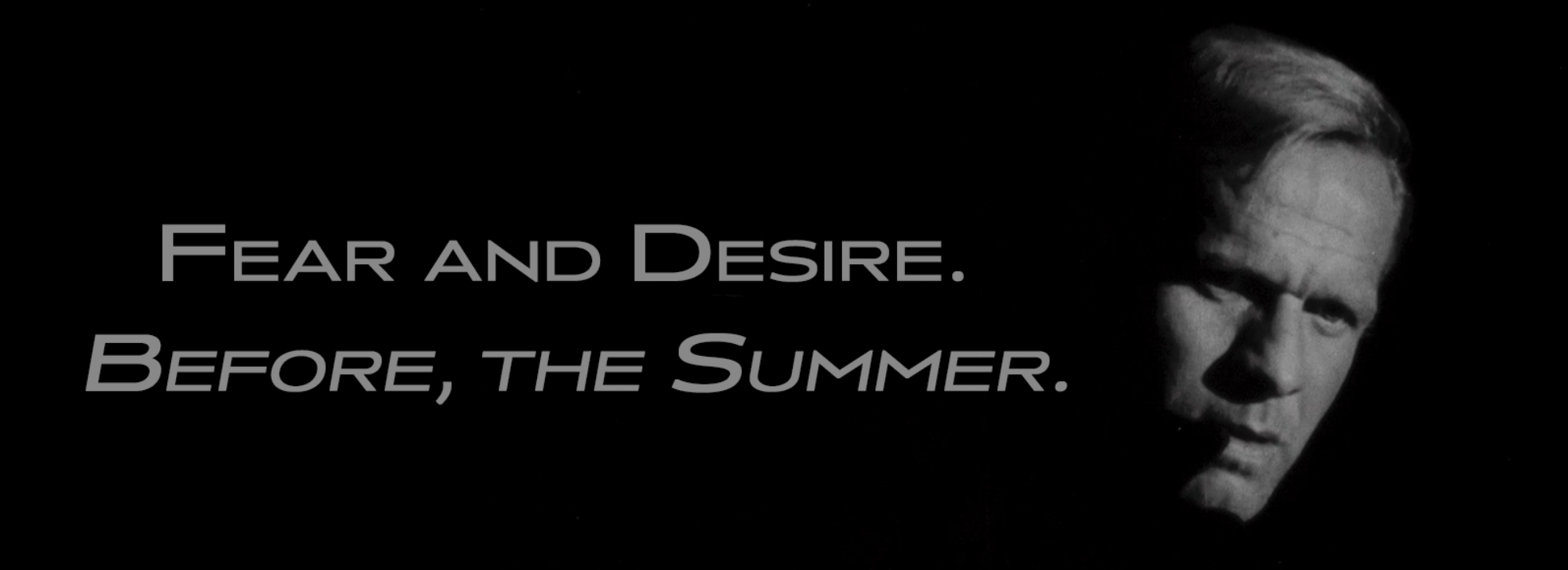
To think of Gerson Tavares’ Before, The Summer (1968) is to immediately recall Norma Bengell’s indecipherable face. In the words of Nelson Rodrigues, “Only the face is indecent. From the neck down, we could all go naked.” And naked is Norma Bengell’s body as she is embraced by Jardel Filho’s anxious arms, under the high sun on a terrace in Cabo Frio, in one of the hottest erotic scenes of Brazilian cinema. Before that, one murder, two affairs, one separation: a middle-aged couple, with grown-up sons, watches as their marital crisis is turned into a criminal investigation.

Having produced Ruy Guerra’s Os Cafajestes (1962) and Walter Hugo Khouri’s Noite Vazia (1964), and having shot his first feature film, Amor e Desamor (1966), Tavares added a touch of noir and heavy doses of eroticism to existentialist Brazilian film with Before, the Summer. That is not to say that its predecessors - both also starring Norma Bengell - did not use their actresses’ curves as a resource in their mise-en-scène, or that their plots didn’t revolve around sex - or the lack thereof.
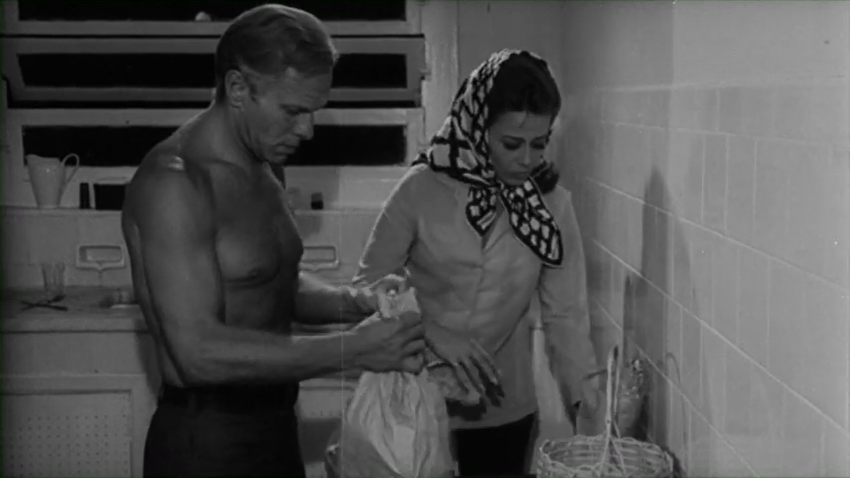
However, in Before, the Summer, eroticism not only brings about a reflection on existence - or even the impossibility of existence -, it cements the plot of marital investigation. With that, it is worth adding that such Antonioni-esque incommunicability - often attributed to many Brazilian films and filmmakers of that time - finds its limit in the bodies of the characters. The bodies do communicate, between themselves and with the audience, first and foremost. In the first few minutes of the film, Jardel Filho’s naked torso sends a clear message: before, the heat.

While the murder scene which opens the film, the recurring shadows on the walls, and the crime thriller atmosphere - not to mention Norma Bengell’s married femme fatale - may place Before, the Summer within the spectrum of film noir, the tanned bodies, which are prominent even in the sun-drenched black and white of José Rosa’s cinematography, immediately situate it in the Southern Hemisphere. But the dissonance does not stop there. The opening shot, with the headlights closing in on Hugo Carvana’s character, set to Erlon Chaves’ score, introduces the jazzy tone which sets the pace of the flashback-torn narrative created through Roberto Pires’ editing work.

Before, however, comes Norma Bengell’s face. It is with her frozen image that Tavares ends the film. It is the enigma of her melancholic eyes - headlights of a body in heat - which draws the audience in and drives the plot forward. We watch the film through the perspective of Jardel Filho’s character, his memories, his demons, and his desires. Bengell is an image presenting itself to our inquisitive eye. That image is often blurry, tense and fascinated; its motivations are unknown to us - as are her husband’s. But we recognize the fear and the desire on her face.

Before, the Summer can be thought of as a story of separation, like many films of its kind from the 1950s to the 1970s, when the end of a marriage becomes a flagrant possibility. The shadow of conjugal dissolution is evident in their plots, their characters and even the very fabric of those films: the happy ending is no longer an axiom. If imminent divorce brings a quasi-abstract existential crisis in the case of Luis (Jardel Filho); for Maria Clara (Norma Bengell), it materializes on her body. Divorce runs her over. And her face shows it throughout the 80 minutes runtime. What crimes are contained in those eyes, the eyes of a mature woman with a pulsating body? Why does she flinch? Is she unfaithful? Is she a murderer? There is, however, another sign on Maria Clara’s sphynx-like face: that of desire. Desire, not fear, will cause Luis - much in the vein of Bentinho, the protagonist of Machado de Assis’ classic Brazilian novel Dom Casmurro - to accuse her of two crimes: adultery and murder.

For Luis, the marital crisis is a crisis of his own masculinity, his sexual power. Another man - younger, with a fresh body - knocks on his door: a friend of their sons’ might take his place. And his wife may be there to take him in. What dangers lurk behind that blurry image of an inaccessible woman ridden with fear and desire? In such a game of possibilities, the greatest crime might be cheating - whether explicit or merely suggested -, murder, or imminent separation. The crime of divorce is framed by the fear and the desire of a couple in a crisis - such feelings are intensely present on Bengell’s face - and its secretive and irresolute nature are preserved by Tavares’ elegant experimentation. Here, the transgressions go on behind closed doors.

To think of Gerson Tavares’ Before, The Summer (1968) is to immediately recall Norma Bengell’s indecipherable face. In the words of Nelson Rodrigues, “Only the face is indecent. From the neck down, we could all go naked.” And naked is Norma Bengell’s body as she is embraced by Jardel Filho’s anxious arms, under the high sun on a terrace in Cabo Frio, in one of the hottest erotic scenes of Brazilian cinema. Before that, one murder, two affairs, one separation: a middle-aged couple, with grown-up sons, watches as their marital crisis is turned into a criminal investigation.

Having produced Ruy Guerra’s Os Cafajestes (1962) and Walter Hugo Khouri’s Noite Vazia (1964), and having shot his first feature film, Amor e Desamor (1966), Tavares added a touch of noir and heavy doses of eroticism to existentialist Brazilian film with Before, the Summer. That is not to say that its predecessors - both also starring Norma Bengell - did not use their actresses’ curves as a resource in their mise-en-scène, or that their plots didn’t revolve around sex - or the lack thereof.

However, in Before, the Summer, eroticism not only brings about a reflection on existence - or even the impossibility of existence -, it cements the plot of marital investigation. With that, it is worth adding that such Antonioni-esque incommunicability - often attributed to many Brazilian films and filmmakers of that time - finds its limit in the bodies of the characters. The bodies do communicate, between themselves and with the audience, first and foremost. In the first few minutes of the film, Jardel Filho’s naked torso sends a clear message: before, the heat.

While the murder scene which opens the film, the recurring shadows on the walls, and the crime thriller atmosphere - not to mention Norma Bengell’s married femme fatale - may place Before, the Summer within the spectrum of film noir, the tanned bodies, which are prominent even in the sun-drenched black and white of José Rosa’s cinematography, immediately situate it in the Southern Hemisphere. But the dissonance does not stop there. The opening shot, with the headlights closing in on Hugo Carvana’s character, set to Erlon Chaves’ score, introduces the jazzy tone which sets the pace of the flashback-torn narrative created through Roberto Pires’ editing work.

Before, however, comes Norma Bengell’s face. It is with her frozen image that Tavares ends the film. It is the enigma of her melancholic eyes - headlights of a body in heat - which draws the audience in and drives the plot forward. We watch the film through the perspective of Jardel Filho’s character, his memories, his demons, and his desires. Bengell is an image presenting itself to our inquisitive eye. That image is often blurry, tense and fascinated; its motivations are unknown to us - as are her husband’s. But we recognize the fear and the desire on her face.

Before, the Summer can be thought of as a story of separation, like many films of its kind from the 1950s to the 1970s, when the end of a marriage becomes a flagrant possibility. The shadow of conjugal dissolution is evident in their plots, their characters and even the very fabric of those films: the happy ending is no longer an axiom. If imminent divorce brings a quasi-abstract existential crisis in the case of Luis (Jardel Filho); for Maria Clara (Norma Bengell), it materializes on her body. Divorce runs her over. And her face shows it throughout the 80 minutes runtime. What crimes are contained in those eyes, the eyes of a mature woman with a pulsating body? Why does she flinch? Is she unfaithful? Is she a murderer? There is, however, another sign on Maria Clara’s sphynx-like face: that of desire. Desire, not fear, will cause Luis - much in the vein of Bentinho, the protagonist of Machado de Assis’ classic Brazilian novel Dom Casmurro - to accuse her of two crimes: adultery and murder.

For Luis, the marital crisis is a crisis of his own masculinity, his sexual power. Another man - younger, with a fresh body - knocks on his door: a friend of their sons’ might take his place. And his wife may be there to take him in. What dangers lurk behind that blurry image of an inaccessible woman ridden with fear and desire? In such a game of possibilities, the greatest crime might be cheating - whether explicit or merely suggested -, murder, or imminent separation. The crime of divorce is framed by the fear and the desire of a couple in a crisis - such feelings are intensely present on Bengell’s face - and its secretive and irresolute nature are preserved by Tavares’ elegant experimentation. Here, the transgressions go on behind closed doors.

PT/ENG
PT/ENG
4/2/2022
By/Por:
Juliana Costa

Pensar em Antes, o Verão (1968), de Gerson Tavares, é encarar de imediato o rosto indecifrável de Norma Bengell. “Só o rosto é indecente, do pescoço para baixo podia-se andar nu.”, disse Nelson Rodrigues. E nu é como está o corpo de Bengell, enlaçado pelos braços aflitos de Jardel Filho sob o sol a pino em um terraço em Cabo Frio, em uma das cenas eróticas mais quentes do cinema brasileiro – e não são poucas. Antes disso, um assassinato, duas traições, uma separação: um casal de meia idade, com filhos crescidos, vê sua crise conjugal virar uma investigação policial.

Depois de produzir Os Cafajestes (1962), de Ruy Guerra e Noite Vazia (1964), de Walter Hugo Khouri, e de filmar seu primeiro longa-metragem, Amor e Desamor (1966), Tavares tempera o cinema existencialista brasileiro com pitadas de noir e doses fartas de erotismo, com Antes, o Verão. Não que seus predecessores – dois deles também protagonizados por Bengell – não contassem com as curvas das atrizes para deslizar a sua mise-en-scène, ou não tivessem em torno do sexo, ou da sua falta, a sua trama principal.

No entanto, em Antes, o Verão, o erotismo não é apenas o disparador de uma reflexão sobre a existência, ou mesmo da sua impossibilidade, mas é o cimento com o qual Tavares constrói a sua trama investigativa nupcial. Dito isto, a incomunicabilidade à Antonioni, tão atribuída aos filmes brasileiros deste período e desta geração de cineastas, tem seu limite nos corpos dos personagens. Estes sim se comunicam, entre eles e com o público, antes de tudo. O torso nu de Jardel Filho já nos primeiros minutos de filme não deixa dúvidas: antes, o calor.

Enquanto a cena de assassinato que abre o filme, as recorrentes sombras nas paredes e a atmosfera policial – além, claro, da femme fatale de família de Norma Bengell – podem localizar Antes, o Verão em um espectro do cinema noir, os corpos bronzeados, destacados mesmo no preto e branco ensolarado da fotografia de José Rosa, o lançam imediatamente abaixo da linha do equador. As dissonâncias não param por aí. A imagem de abertura, com os faróis que acossam o personagem de Hugo Carvana ao som da trilha assinada por Erlon Chaves, apresenta o tom jazzístico do filme, que dará o compasso da narrativa, fragmentada em flashbacks e da montagem de Roberto Pires.

Mas antes, o rosto de Norma Bengell. É com a sua imagem congelada que Tavares encerra o filme. É o enigma de seus olhos melancólicos, faróis de um corpo em estado de desejo, que intriga a espectadora e conduz a trama. Assistimos ao filme pela perspectiva do personagem de Jardel Filho, suas memórias, suas lembranças, seus fantasmas e desejos. Bengell é uma imagem, que se dá ao nosso olhar inquiridor. Imagem muitas vezes opaca, de tensão e fascinação, da qual, juntamente com o marido, não sabemos as motivações. Mas sabemos do medo e do desejo de seu rosto.

Antes, o Verão pode ser visto como um filme de separação conjugal, destes tão presentes entre as décadas de 1950 e 1970, quando terminar um casamento se torna uma possibilidade flagrante. A sombra da ruptura nupcial é notável nas tramas, nos personagens e mesmo no tecido fílmico: o happy end não é mais um axioma. Se o divórcio iminente no filme de Tavares arrasta com ele uma crise existencial quase abstrata para Luís (Jardel Filho); para Maria Clara (Norma Bengell), ele se concretiza no corpo. É um atropelamento. E seu rosto espelhará este vulto ao longo dos 80 minutos de Antes, o Verão. Que delitos guardam este olhar de mulher madura e de corpo pulsante? Por que ela se esquiva? Traiu, matou? Mas há outra marca estampada no rosto esfíngico de Maria Clara: o desejo. E é esta marca, e não a primeira, que fará com que Luís, aos moldes de Bentinho, personagem do clássico da literatura brasileira, Dom Casmurro, de Machado de Assis, impute a ela o crime duplo: traição e assassinato.

A crise do casamento para Luís é a crise da sua própria masculinidade, de seu poder sexual. Outro homem, mais jovem, de corpo fresco, bate à sua porta: o amigo dos filhos sempre pode tomar o seu lugar. E sua esposa poderá estar lá para acolhê-lo. Que perigos esta imagem opaca de mulher, intransponível, carregada de medo e de volúpia, guarda em si? Neste jogo de possibilidades, o grande crime pode estar entre uma traição explícita, uma sugerida, um assassinato ou uma separação eminente. O delito do divórcio emoldurado pelo medo e o desejo de um casal em crise – inscritos de forma intensa no rosto de Bengell – tem seus segredos e irresoluções preservados pelo experimentalismo elegante de Tavares. Suas transgressões continuam entre quatro paredes.

Pensar em Antes, o Verão (1968), de Gerson Tavares, é encarar de imediato o rosto indecifrável de Norma Bengell. “Só o rosto é indecente, do pescoço para baixo podia-se andar nu.”, disse Nelson Rodrigues. E nu é como está o corpo de Bengell, enlaçado pelos braços aflitos de Jardel Filho sob o sol a pino em um terraço em Cabo Frio, em uma das cenas eróticas mais quentes do cinema brasileiro – e não são poucas. Antes disso, um assassinato, duas traições, uma separação: um casal de meia idade, com filhos crescidos, vê sua crise conjugal virar uma investigação policial.

Depois de produzir Os Cafajestes (1962), de Ruy Guerra e Noite Vazia (1964), de Walter Hugo Khouri, e de filmar seu primeiro longa-metragem, Amor e Desamor (1966), Tavares tempera o cinema existencialista brasileiro com pitadas de noir e doses fartas de erotismo, com Antes, o Verão. Não que seus predecessores – dois deles também protagonizados por Bengell – não contassem com as curvas das atrizes para deslizar a sua mise-en-scène, ou não tivessem em torno do sexo, ou da sua falta, a sua trama principal.

No entanto, em Antes, o Verão, o erotismo não é apenas o disparador de uma reflexão sobre a existência, ou mesmo da sua impossibilidade, mas é o cimento com o qual Tavares constrói a sua trama investigativa nupcial. Dito isto, a incomunicabilidade à Antonioni, tão atribuída aos filmes brasileiros deste período e desta geração de cineastas, tem seu limite nos corpos dos personagens. Estes sim se comunicam, entre eles e com o público, antes de tudo. O torso nu de Jardel Filho já nos primeiros minutos de filme não deixa dúvidas: antes, o calor.

Enquanto a cena de assassinato que abre o filme, as recorrentes sombras nas paredes e a atmosfera policial – além, claro, da femme fatale de família de Norma Bengell – podem localizar Antes, o Verão em um espectro do cinema noir, os corpos bronzeados, destacados mesmo no preto e branco ensolarado da fotografia de José Rosa, o lançam imediatamente abaixo da linha do equador. As dissonâncias não param por aí. A imagem de abertura, com os faróis que acossam o personagem de Hugo Carvana ao som da trilha assinada por Erlon Chaves, apresenta o tom jazzístico do filme, que dará o compasso da narrativa, fragmentada em flashbacks e da montagem de Roberto Pires.

Mas antes, o rosto de Norma Bengell. É com a sua imagem congelada que Tavares encerra o filme. É o enigma de seus olhos melancólicos, faróis de um corpo em estado de desejo, que intriga a espectadora e conduz a trama. Assistimos ao filme pela perspectiva do personagem de Jardel Filho, suas memórias, suas lembranças, seus fantasmas e desejos. Bengell é uma imagem, que se dá ao nosso olhar inquiridor. Imagem muitas vezes opaca, de tensão e fascinação, da qual, juntamente com o marido, não sabemos as motivações. Mas sabemos do medo e do desejo de seu rosto.

Antes, o Verão pode ser visto como um filme de separação conjugal, destes tão presentes entre as décadas de 1950 e 1970, quando terminar um casamento se torna uma possibilidade flagrante. A sombra da ruptura nupcial é notável nas tramas, nos personagens e mesmo no tecido fílmico: o happy end não é mais um axioma. Se o divórcio iminente no filme de Tavares arrasta com ele uma crise existencial quase abstrata para Luís (Jardel Filho); para Maria Clara (Norma Bengell), ele se concretiza no corpo. É um atropelamento. E seu rosto espelhará este vulto ao longo dos 80 minutos de Antes, o Verão. Que delitos guardam este olhar de mulher madura e de corpo pulsante? Por que ela se esquiva? Traiu, matou? Mas há outra marca estampada no rosto esfíngico de Maria Clara: o desejo. E é esta marca, e não a primeira, que fará com que Luís, aos moldes de Bentinho, personagem do clássico da literatura brasileira, Dom Casmurro, de Machado de Assis, impute a ela o crime duplo: traição e assassinato.

A crise do casamento para Luís é a crise da sua própria masculinidade, de seu poder sexual. Outro homem, mais jovem, de corpo fresco, bate à sua porta: o amigo dos filhos sempre pode tomar o seu lugar. E sua esposa poderá estar lá para acolhê-lo. Que perigos esta imagem opaca de mulher, intransponível, carregada de medo e de volúpia, guarda em si? Neste jogo de possibilidades, o grande crime pode estar entre uma traição explícita, uma sugerida, um assassinato ou uma separação eminente. O delito do divórcio emoldurado pelo medo e o desejo de um casal em crise – inscritos de forma intensa no rosto de Bengell – tem seus segredos e irresoluções preservados pelo experimentalismo elegante de Tavares. Suas transgressões continuam entre quatro paredes.

To think of Gerson Tavares’ Before, The Summer (1968) is to immediately recall Norma Bengell’s indecipherable face. In the words of Nelson Rodrigues, “Only the face is indecent. From the neck down, we could all go naked.” And naked is Norma Bengell’s body as she is embraced by Jardel Filho’s anxious arms, under the high sun on a terrace in Cabo Frio, in one of the hottest erotic scenes of Brazilian cinema. Before that, one murder, two affairs, one separation: a middle-aged couple, with grown-up sons, watches as their marital crisis is turned into a criminal investigation.

Having produced Ruy Guerra’s Os Cafajestes (1962) and Walter Hugo Khouri’s Noite Vazia (1964), and having shot his first feature film, Amor e Desamor (1966), Tavares added a touch of noir and heavy doses of eroticism to existentialist Brazilian film with Before, the Summer. That is not to say that its predecessors - both also starring Norma Bengell - did not use their actresses’ curves as a resource in their mise-en-scène, or that their plots didn’t revolve around sex - or the lack thereof.

However, in Before, the Summer, eroticism not only brings about a reflection on existence - or even the impossibility of existence -, it cements the plot of marital investigation. With that, it is worth adding that such Antonioni-esque incommunicability - often attributed to many Brazilian films and filmmakers of that time - finds its limit in the bodies of the characters. The bodies do communicate, between themselves and with the audience, first and foremost. In the first few minutes of the film, Jardel Filho’s naked torso sends a clear message: before, the heat.

While the murder scene which opens the film, the recurring shadows on the walls, and the crime thriller atmosphere - not to mention Norma Bengell’s married femme fatale - may place Before, the Summer within the spectrum of film noir, the tanned bodies, which are prominent even in the sun-drenched black and white of José Rosa’s cinematography, immediately situate it in the Southern Hemisphere. But the dissonance does not stop there. The opening shot, with the headlights closing in on Hugo Carvana’s character, set to Erlon Chaves’ score, introduces the jazzy tone which sets the pace of the flashback-torn narrative created through Roberto Pires’ editing work.

Before, however, comes Norma Bengell’s face. It is with her frozen image that Tavares ends the film. It is the enigma of her melancholic eyes - headlights of a body in heat - which draws the audience in and drives the plot forward. We watch the film through the perspective of Jardel Filho’s character, his memories, his demons, and his desires. Bengell is an image presenting itself to our inquisitive eye. That image is often blurry, tense and fascinated; its motivations are unknown to us - as are her husband’s. But we recognize the fear and the desire on her face.

Before, the Summer can be thought of as a story of separation, like many films of its kind from the 1950s to the 1970s, when the end of a marriage becomes a flagrant possibility. The shadow of conjugal dissolution is evident in their plots, their characters and even the very fabric of those films: the happy ending is no longer an axiom. If imminent divorce brings a quasi-abstract existential crisis in the case of Luis (Jardel Filho); for Maria Clara (Norma Bengell), it materializes on her body. Divorce runs her over. And her face shows it throughout the 80 minutes runtime. What crimes are contained in those eyes, the eyes of a mature woman with a pulsating body? Why does she flinch? Is she unfaithful? Is she a murderer? There is, however, another sign on Maria Clara’s sphynx-like face: that of desire. Desire, not fear, will cause Luis - much in the vein of Bentinho, the protagonist of Machado de Assis’ classic Brazilian novel Dom Casmurro - to accuse her of two crimes: adultery and murder.

For Luis, the marital crisis is a crisis of his own masculinity, his sexual power. Another man - younger, with a fresh body - knocks on his door: a friend of their sons’ might take his place. And his wife may be there to take him in. What dangers lurk behind that blurry image of an inaccessible woman ridden with fear and desire? In such a game of possibilities, the greatest crime might be cheating - whether explicit or merely suggested -, murder, or imminent separation. The crime of divorce is framed by the fear and the desire of a couple in a crisis - such feelings are intensely present on Bengell’s face - and its secretive and irresolute nature are preserved by Tavares’ elegant experimentation. Here, the transgressions go on behind closed doors.

To think of Gerson Tavares’ Before, The Summer (1968) is to immediately recall Norma Bengell’s indecipherable face. In the words of Nelson Rodrigues, “Only the face is indecent. From the neck down, we could all go naked.” And naked is Norma Bengell’s body as she is embraced by Jardel Filho’s anxious arms, under the high sun on a terrace in Cabo Frio, in one of the hottest erotic scenes of Brazilian cinema. Before that, one murder, two affairs, one separation: a middle-aged couple, with grown-up sons, watches as their marital crisis is turned into a criminal investigation.

Having produced Ruy Guerra’s Os Cafajestes (1962) and Walter Hugo Khouri’s Noite Vazia (1964), and having shot his first feature film, Amor e Desamor (1966), Tavares added a touch of noir and heavy doses of eroticism to existentialist Brazilian film with Before, the Summer. That is not to say that its predecessors - both also starring Norma Bengell - did not use their actresses’ curves as a resource in their mise-en-scène, or that their plots didn’t revolve around sex - or the lack thereof.

However, in Before, the Summer, eroticism not only brings about a reflection on existence - or even the impossibility of existence -, it cements the plot of marital investigation. With that, it is worth adding that such Antonioni-esque incommunicability - often attributed to many Brazilian films and filmmakers of that time - finds its limit in the bodies of the characters. The bodies do communicate, between themselves and with the audience, first and foremost. In the first few minutes of the film, Jardel Filho’s naked torso sends a clear message: before, the heat.

While the murder scene which opens the film, the recurring shadows on the walls, and the crime thriller atmosphere - not to mention Norma Bengell’s married femme fatale - may place Before, the Summer within the spectrum of film noir, the tanned bodies, which are prominent even in the sun-drenched black and white of José Rosa’s cinematography, immediately situate it in the Southern Hemisphere. But the dissonance does not stop there. The opening shot, with the headlights closing in on Hugo Carvana’s character, set to Erlon Chaves’ score, introduces the jazzy tone which sets the pace of the flashback-torn narrative created through Roberto Pires’ editing work.

Before, however, comes Norma Bengell’s face. It is with her frozen image that Tavares ends the film. It is the enigma of her melancholic eyes - headlights of a body in heat - which draws the audience in and drives the plot forward. We watch the film through the perspective of Jardel Filho’s character, his memories, his demons, and his desires. Bengell is an image presenting itself to our inquisitive eye. That image is often blurry, tense and fascinated; its motivations are unknown to us - as are her husband’s. But we recognize the fear and the desire on her face.

Before, the Summer can be thought of as a story of separation, like many films of its kind from the 1950s to the 1970s, when the end of a marriage becomes a flagrant possibility. The shadow of conjugal dissolution is evident in their plots, their characters and even the very fabric of those films: the happy ending is no longer an axiom. If imminent divorce brings a quasi-abstract existential crisis in the case of Luis (Jardel Filho); for Maria Clara (Norma Bengell), it materializes on her body. Divorce runs her over. And her face shows it throughout the 80 minutes runtime. What crimes are contained in those eyes, the eyes of a mature woman with a pulsating body? Why does she flinch? Is she unfaithful? Is she a murderer? There is, however, another sign on Maria Clara’s sphynx-like face: that of desire. Desire, not fear, will cause Luis - much in the vein of Bentinho, the protagonist of Machado de Assis’ classic Brazilian novel Dom Casmurro - to accuse her of two crimes: adultery and murder.

For Luis, the marital crisis is a crisis of his own masculinity, his sexual power. Another man - younger, with a fresh body - knocks on his door: a friend of their sons’ might take his place. And his wife may be there to take him in. What dangers lurk behind that blurry image of an inaccessible woman ridden with fear and desire? In such a game of possibilities, the greatest crime might be cheating - whether explicit or merely suggested -, murder, or imminent separation. The crime of divorce is framed by the fear and the desire of a couple in a crisis - such feelings are intensely present on Bengell’s face - and its secretive and irresolute nature are preserved by Tavares’ elegant experimentation. Here, the transgressions go on behind closed doors.

PT/ENG
PT/ENG
4/2/2022
By/Por:
Juliana Costa

Pensar em Antes, o Verão (1968), de Gerson Tavares, é encarar de imediato o rosto indecifrável de Norma Bengell. “Só o rosto é indecente, do pescoço para baixo podia-se andar nu.”, disse Nelson Rodrigues. E nu é como está o corpo de Bengell, enlaçado pelos braços aflitos de Jardel Filho sob o sol a pino em um terraço em Cabo Frio, em uma das cenas eróticas mais quentes do cinema brasileiro – e não são poucas. Antes disso, um assassinato, duas traições, uma separação: um casal de meia idade, com filhos crescidos, vê sua crise conjugal virar uma investigação policial.

Depois de produzir Os Cafajestes (1962), de Ruy Guerra e Noite Vazia (1964), de Walter Hugo Khouri, e de filmar seu primeiro longa-metragem, Amor e Desamor (1966), Tavares tempera o cinema existencialista brasileiro com pitadas de noir e doses fartas de erotismo, com Antes, o Verão. Não que seus predecessores – dois deles também protagonizados por Bengell – não contassem com as curvas das atrizes para deslizar a sua mise-en-scène, ou não tivessem em torno do sexo, ou da sua falta, a sua trama principal.

No entanto, em Antes, o Verão, o erotismo não é apenas o disparador de uma reflexão sobre a existência, ou mesmo da sua impossibilidade, mas é o cimento com o qual Tavares constrói a sua trama investigativa nupcial. Dito isto, a incomunicabilidade à Antonioni, tão atribuída aos filmes brasileiros deste período e desta geração de cineastas, tem seu limite nos corpos dos personagens. Estes sim se comunicam, entre eles e com o público, antes de tudo. O torso nu de Jardel Filho já nos primeiros minutos de filme não deixa dúvidas: antes, o calor.

Enquanto a cena de assassinato que abre o filme, as recorrentes sombras nas paredes e a atmosfera policial – além, claro, da femme fatale de família de Norma Bengell – podem localizar Antes, o Verão em um espectro do cinema noir, os corpos bronzeados, destacados mesmo no preto e branco ensolarado da fotografia de José Rosa, o lançam imediatamente abaixo da linha do equador. As dissonâncias não param por aí. A imagem de abertura, com os faróis que acossam o personagem de Hugo Carvana ao som da trilha assinada por Erlon Chaves, apresenta o tom jazzístico do filme, que dará o compasso da narrativa, fragmentada em flashbacks e da montagem de Roberto Pires.

Mas antes, o rosto de Norma Bengell. É com a sua imagem congelada que Tavares encerra o filme. É o enigma de seus olhos melancólicos, faróis de um corpo em estado de desejo, que intriga a espectadora e conduz a trama. Assistimos ao filme pela perspectiva do personagem de Jardel Filho, suas memórias, suas lembranças, seus fantasmas e desejos. Bengell é uma imagem, que se dá ao nosso olhar inquiridor. Imagem muitas vezes opaca, de tensão e fascinação, da qual, juntamente com o marido, não sabemos as motivações. Mas sabemos do medo e do desejo de seu rosto.

Antes, o Verão pode ser visto como um filme de separação conjugal, destes tão presentes entre as décadas de 1950 e 1970, quando terminar um casamento se torna uma possibilidade flagrante. A sombra da ruptura nupcial é notável nas tramas, nos personagens e mesmo no tecido fílmico: o happy end não é mais um axioma. Se o divórcio iminente no filme de Tavares arrasta com ele uma crise existencial quase abstrata para Luís (Jardel Filho); para Maria Clara (Norma Bengell), ele se concretiza no corpo. É um atropelamento. E seu rosto espelhará este vulto ao longo dos 80 minutos de Antes, o Verão. Que delitos guardam este olhar de mulher madura e de corpo pulsante? Por que ela se esquiva? Traiu, matou? Mas há outra marca estampada no rosto esfíngico de Maria Clara: o desejo. E é esta marca, e não a primeira, que fará com que Luís, aos moldes de Bentinho, personagem do clássico da literatura brasileira, Dom Casmurro, de Machado de Assis, impute a ela o crime duplo: traição e assassinato.

A crise do casamento para Luís é a crise da sua própria masculinidade, de seu poder sexual. Outro homem, mais jovem, de corpo fresco, bate à sua porta: o amigo dos filhos sempre pode tomar o seu lugar. E sua esposa poderá estar lá para acolhê-lo. Que perigos esta imagem opaca de mulher, intransponível, carregada de medo e de volúpia, guarda em si? Neste jogo de possibilidades, o grande crime pode estar entre uma traição explícita, uma sugerida, um assassinato ou uma separação eminente. O delito do divórcio emoldurado pelo medo e o desejo de um casal em crise – inscritos de forma intensa no rosto de Bengell – tem seus segredos e irresoluções preservados pelo experimentalismo elegante de Tavares. Suas transgressões continuam entre quatro paredes.

Pensar em Antes, o Verão (1968), de Gerson Tavares, é encarar de imediato o rosto indecifrável de Norma Bengell. “Só o rosto é indecente, do pescoço para baixo podia-se andar nu.”, disse Nelson Rodrigues. E nu é como está o corpo de Bengell, enlaçado pelos braços aflitos de Jardel Filho sob o sol a pino em um terraço em Cabo Frio, em uma das cenas eróticas mais quentes do cinema brasileiro – e não são poucas. Antes disso, um assassinato, duas traições, uma separação: um casal de meia idade, com filhos crescidos, vê sua crise conjugal virar uma investigação policial.

Depois de produzir Os Cafajestes (1962), de Ruy Guerra e Noite Vazia (1964), de Walter Hugo Khouri, e de filmar seu primeiro longa-metragem, Amor e Desamor (1966), Tavares tempera o cinema existencialista brasileiro com pitadas de noir e doses fartas de erotismo, com Antes, o Verão. Não que seus predecessores – dois deles também protagonizados por Bengell – não contassem com as curvas das atrizes para deslizar a sua mise-en-scène, ou não tivessem em torno do sexo, ou da sua falta, a sua trama principal.

No entanto, em Antes, o Verão, o erotismo não é apenas o disparador de uma reflexão sobre a existência, ou mesmo da sua impossibilidade, mas é o cimento com o qual Tavares constrói a sua trama investigativa nupcial. Dito isto, a incomunicabilidade à Antonioni, tão atribuída aos filmes brasileiros deste período e desta geração de cineastas, tem seu limite nos corpos dos personagens. Estes sim se comunicam, entre eles e com o público, antes de tudo. O torso nu de Jardel Filho já nos primeiros minutos de filme não deixa dúvidas: antes, o calor.

Enquanto a cena de assassinato que abre o filme, as recorrentes sombras nas paredes e a atmosfera policial – além, claro, da femme fatale de família de Norma Bengell – podem localizar Antes, o Verão em um espectro do cinema noir, os corpos bronzeados, destacados mesmo no preto e branco ensolarado da fotografia de José Rosa, o lançam imediatamente abaixo da linha do equador. As dissonâncias não param por aí. A imagem de abertura, com os faróis que acossam o personagem de Hugo Carvana ao som da trilha assinada por Erlon Chaves, apresenta o tom jazzístico do filme, que dará o compasso da narrativa, fragmentada em flashbacks e da montagem de Roberto Pires.

Mas antes, o rosto de Norma Bengell. É com a sua imagem congelada que Tavares encerra o filme. É o enigma de seus olhos melancólicos, faróis de um corpo em estado de desejo, que intriga a espectadora e conduz a trama. Assistimos ao filme pela perspectiva do personagem de Jardel Filho, suas memórias, suas lembranças, seus fantasmas e desejos. Bengell é uma imagem, que se dá ao nosso olhar inquiridor. Imagem muitas vezes opaca, de tensão e fascinação, da qual, juntamente com o marido, não sabemos as motivações. Mas sabemos do medo e do desejo de seu rosto.

Antes, o Verão pode ser visto como um filme de separação conjugal, destes tão presentes entre as décadas de 1950 e 1970, quando terminar um casamento se torna uma possibilidade flagrante. A sombra da ruptura nupcial é notável nas tramas, nos personagens e mesmo no tecido fílmico: o happy end não é mais um axioma. Se o divórcio iminente no filme de Tavares arrasta com ele uma crise existencial quase abstrata para Luís (Jardel Filho); para Maria Clara (Norma Bengell), ele se concretiza no corpo. É um atropelamento. E seu rosto espelhará este vulto ao longo dos 80 minutos de Antes, o Verão. Que delitos guardam este olhar de mulher madura e de corpo pulsante? Por que ela se esquiva? Traiu, matou? Mas há outra marca estampada no rosto esfíngico de Maria Clara: o desejo. E é esta marca, e não a primeira, que fará com que Luís, aos moldes de Bentinho, personagem do clássico da literatura brasileira, Dom Casmurro, de Machado de Assis, impute a ela o crime duplo: traição e assassinato.

A crise do casamento para Luís é a crise da sua própria masculinidade, de seu poder sexual. Outro homem, mais jovem, de corpo fresco, bate à sua porta: o amigo dos filhos sempre pode tomar o seu lugar. E sua esposa poderá estar lá para acolhê-lo. Que perigos esta imagem opaca de mulher, intransponível, carregada de medo e de volúpia, guarda em si? Neste jogo de possibilidades, o grande crime pode estar entre uma traição explícita, uma sugerida, um assassinato ou uma separação eminente. O delito do divórcio emoldurado pelo medo e o desejo de um casal em crise – inscritos de forma intensa no rosto de Bengell – tem seus segredos e irresoluções preservados pelo experimentalismo elegante de Tavares. Suas transgressões continuam entre quatro paredes.

To think of Gerson Tavares’ Before, The Summer (1968) is to immediately recall Norma Bengell’s indecipherable face. In the words of Nelson Rodrigues, “Only the face is indecent. From the neck down, we could all go naked.” And naked is Norma Bengell’s body as she is embraced by Jardel Filho’s anxious arms, under the high sun on a terrace in Cabo Frio, in one of the hottest erotic scenes of Brazilian cinema. Before that, one murder, two affairs, one separation: a middle-aged couple, with grown-up sons, watches as their marital crisis is turned into a criminal investigation.

Having produced Ruy Guerra’s Os Cafajestes (1962) and Walter Hugo Khouri’s Noite Vazia (1964), and having shot his first feature film, Amor e Desamor (1966), Tavares added a touch of noir and heavy doses of eroticism to existentialist Brazilian film with Before, the Summer. That is not to say that its predecessors - both also starring Norma Bengell - did not use their actresses’ curves as a resource in their mise-en-scène, or that their plots didn’t revolve around sex - or the lack thereof.

However, in Before, the Summer, eroticism not only brings about a reflection on existence - or even the impossibility of existence -, it cements the plot of marital investigation. With that, it is worth adding that such Antonioni-esque incommunicability - often attributed to many Brazilian films and filmmakers of that time - finds its limit in the bodies of the characters. The bodies do communicate, between themselves and with the audience, first and foremost. In the first few minutes of the film, Jardel Filho’s naked torso sends a clear message: before, the heat.

While the murder scene which opens the film, the recurring shadows on the walls, and the crime thriller atmosphere - not to mention Norma Bengell’s married femme fatale - may place Before, the Summer within the spectrum of film noir, the tanned bodies, which are prominent even in the sun-drenched black and white of José Rosa’s cinematography, immediately situate it in the Southern Hemisphere. But the dissonance does not stop there. The opening shot, with the headlights closing in on Hugo Carvana’s character, set to Erlon Chaves’ score, introduces the jazzy tone which sets the pace of the flashback-torn narrative created through Roberto Pires’ editing work.

Before, however, comes Norma Bengell’s face. It is with her frozen image that Tavares ends the film. It is the enigma of her melancholic eyes - headlights of a body in heat - which draws the audience in and drives the plot forward. We watch the film through the perspective of Jardel Filho’s character, his memories, his demons, and his desires. Bengell is an image presenting itself to our inquisitive eye. That image is often blurry, tense and fascinated; its motivations are unknown to us - as are her husband’s. But we recognize the fear and the desire on her face.

Before, the Summer can be thought of as a story of separation, like many films of its kind from the 1950s to the 1970s, when the end of a marriage becomes a flagrant possibility. The shadow of conjugal dissolution is evident in their plots, their characters and even the very fabric of those films: the happy ending is no longer an axiom. If imminent divorce brings a quasi-abstract existential crisis in the case of Luis (Jardel Filho); for Maria Clara (Norma Bengell), it materializes on her body. Divorce runs her over. And her face shows it throughout the 80 minutes runtime. What crimes are contained in those eyes, the eyes of a mature woman with a pulsating body? Why does she flinch? Is she unfaithful? Is she a murderer? There is, however, another sign on Maria Clara’s sphynx-like face: that of desire. Desire, not fear, will cause Luis - much in the vein of Bentinho, the protagonist of Machado de Assis’ classic Brazilian novel Dom Casmurro - to accuse her of two crimes: adultery and murder.

For Luis, the marital crisis is a crisis of his own masculinity, his sexual power. Another man - younger, with a fresh body - knocks on his door: a friend of their sons’ might take his place. And his wife may be there to take him in. What dangers lurk behind that blurry image of an inaccessible woman ridden with fear and desire? In such a game of possibilities, the greatest crime might be cheating - whether explicit or merely suggested -, murder, or imminent separation. The crime of divorce is framed by the fear and the desire of a couple in a crisis - such feelings are intensely present on Bengell’s face - and its secretive and irresolute nature are preserved by Tavares’ elegant experimentation. Here, the transgressions go on behind closed doors.

To think of Gerson Tavares’ Before, The Summer (1968) is to immediately recall Norma Bengell’s indecipherable face. In the words of Nelson Rodrigues, “Only the face is indecent. From the neck down, we could all go naked.” And naked is Norma Bengell’s body as she is embraced by Jardel Filho’s anxious arms, under the high sun on a terrace in Cabo Frio, in one of the hottest erotic scenes of Brazilian cinema. Before that, one murder, two affairs, one separation: a middle-aged couple, with grown-up sons, watches as their marital crisis is turned into a criminal investigation.

Having produced Ruy Guerra’s Os Cafajestes (1962) and Walter Hugo Khouri’s Noite Vazia (1964), and having shot his first feature film, Amor e Desamor (1966), Tavares added a touch of noir and heavy doses of eroticism to existentialist Brazilian film with Before, the Summer. That is not to say that its predecessors - both also starring Norma Bengell - did not use their actresses’ curves as a resource in their mise-en-scène, or that their plots didn’t revolve around sex - or the lack thereof.

However, in Before, the Summer, eroticism not only brings about a reflection on existence - or even the impossibility of existence -, it cements the plot of marital investigation. With that, it is worth adding that such Antonioni-esque incommunicability - often attributed to many Brazilian films and filmmakers of that time - finds its limit in the bodies of the characters. The bodies do communicate, between themselves and with the audience, first and foremost. In the first few minutes of the film, Jardel Filho’s naked torso sends a clear message: before, the heat.

While the murder scene which opens the film, the recurring shadows on the walls, and the crime thriller atmosphere - not to mention Norma Bengell’s married femme fatale - may place Before, the Summer within the spectrum of film noir, the tanned bodies, which are prominent even in the sun-drenched black and white of José Rosa’s cinematography, immediately situate it in the Southern Hemisphere. But the dissonance does not stop there. The opening shot, with the headlights closing in on Hugo Carvana’s character, set to Erlon Chaves’ score, introduces the jazzy tone which sets the pace of the flashback-torn narrative created through Roberto Pires’ editing work.

Before, however, comes Norma Bengell’s face. It is with her frozen image that Tavares ends the film. It is the enigma of her melancholic eyes - headlights of a body in heat - which draws the audience in and drives the plot forward. We watch the film through the perspective of Jardel Filho’s character, his memories, his demons, and his desires. Bengell is an image presenting itself to our inquisitive eye. That image is often blurry, tense and fascinated; its motivations are unknown to us - as are her husband’s. But we recognize the fear and the desire on her face.

Before, the Summer can be thought of as a story of separation, like many films of its kind from the 1950s to the 1970s, when the end of a marriage becomes a flagrant possibility. The shadow of conjugal dissolution is evident in their plots, their characters and even the very fabric of those films: the happy ending is no longer an axiom. If imminent divorce brings a quasi-abstract existential crisis in the case of Luis (Jardel Filho); for Maria Clara (Norma Bengell), it materializes on her body. Divorce runs her over. And her face shows it throughout the 80 minutes runtime. What crimes are contained in those eyes, the eyes of a mature woman with a pulsating body? Why does she flinch? Is she unfaithful? Is she a murderer? There is, however, another sign on Maria Clara’s sphynx-like face: that of desire. Desire, not fear, will cause Luis - much in the vein of Bentinho, the protagonist of Machado de Assis’ classic Brazilian novel Dom Casmurro - to accuse her of two crimes: adultery and murder.

For Luis, the marital crisis is a crisis of his own masculinity, his sexual power. Another man - younger, with a fresh body - knocks on his door: a friend of their sons’ might take his place. And his wife may be there to take him in. What dangers lurk behind that blurry image of an inaccessible woman ridden with fear and desire? In such a game of possibilities, the greatest crime might be cheating - whether explicit or merely suggested -, murder, or imminent separation. The crime of divorce is framed by the fear and the desire of a couple in a crisis - such feelings are intensely present on Bengell’s face - and its secretive and irresolute nature are preserved by Tavares’ elegant experimentation. Here, the transgressions go on behind closed doors.