

In "A música no cinema – Os 100 primeiros anos" (2003), a two volume work by journalist and researcher João Máximo, John Neschling closes the chapter devoted to the relationship between Brazil’s symphonic tradition and cinema, whose highest expression is Heitor Villa Lobos and which unfolds through Francisco Mignone, César Guerra Peixe, Claudio Santoro, and Camargo Guarnieri. Not by chance, all of these composers and conductors were associated, with greater or lesser frequency, with Brazilian producers’ attempts to insert national cinema into the Hollywood studio model, reproducing its production methods and the so called classical narrative format, in which the orchestral score plays a decisive role. (Mignone, above all, composed for Cinédia and Vera Cruz).
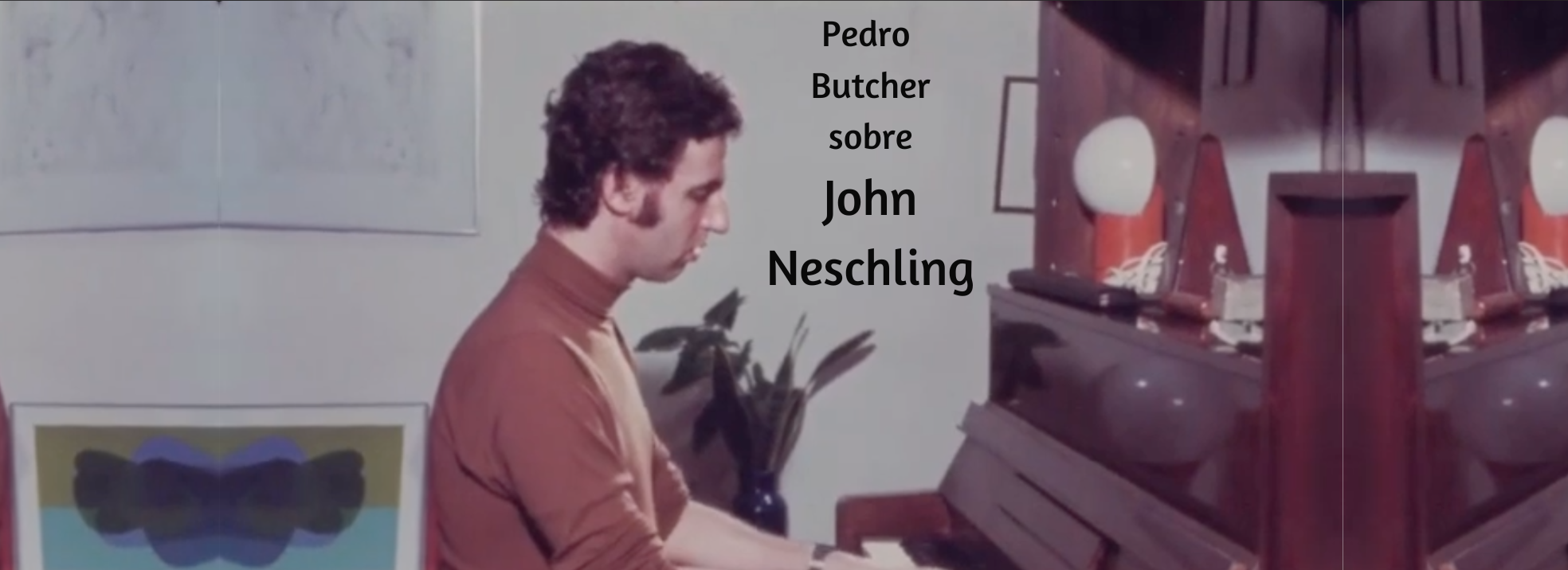
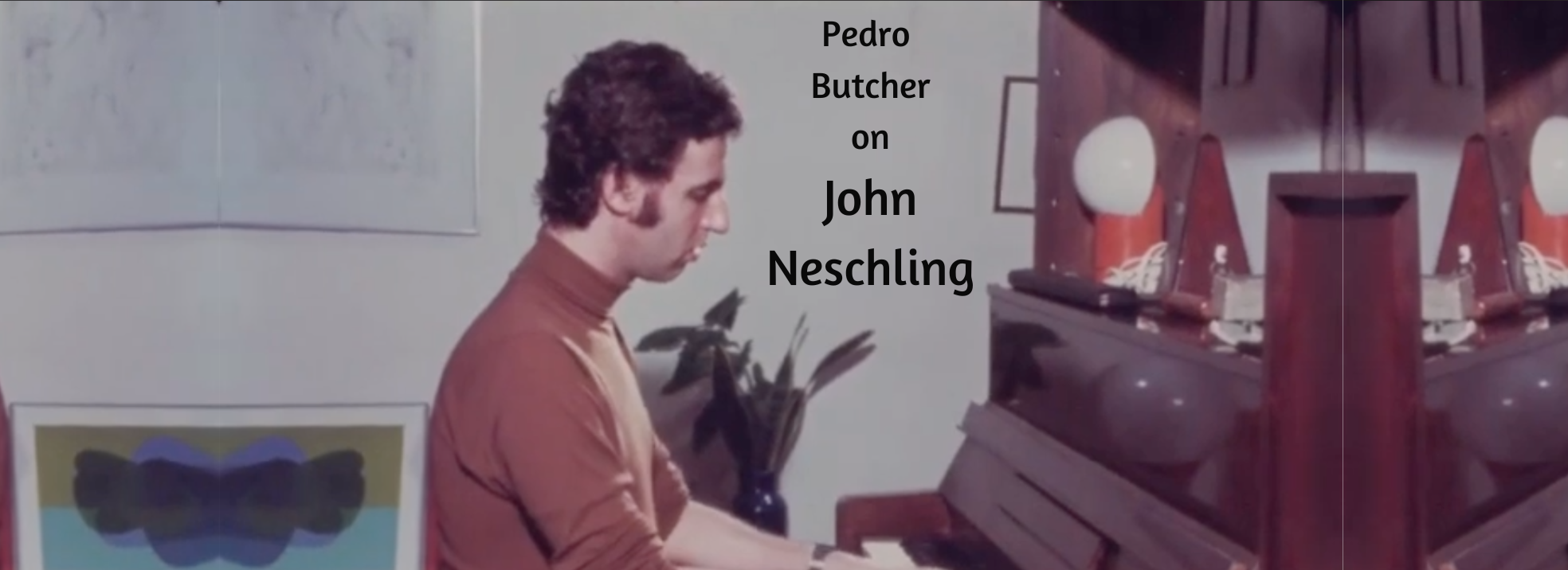
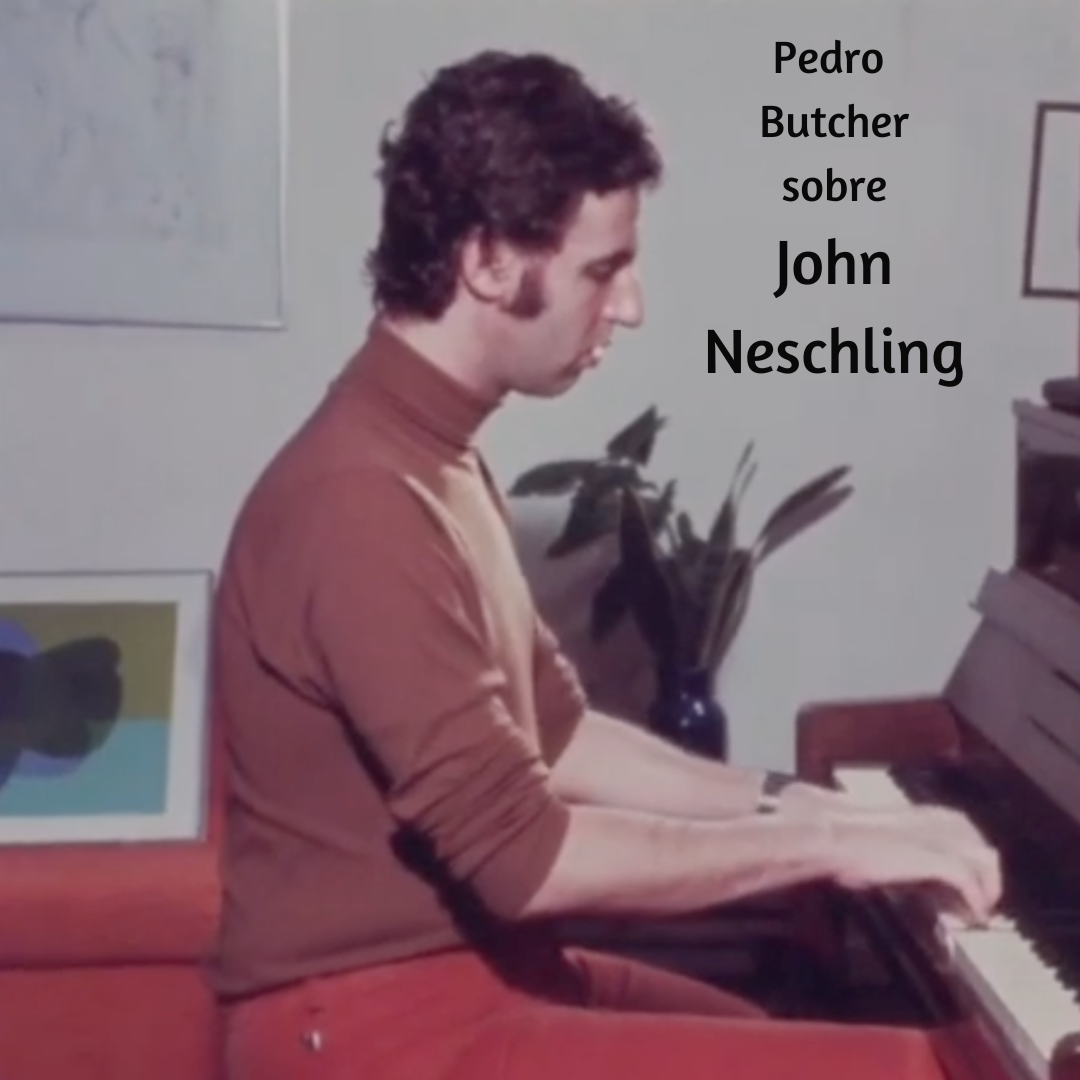
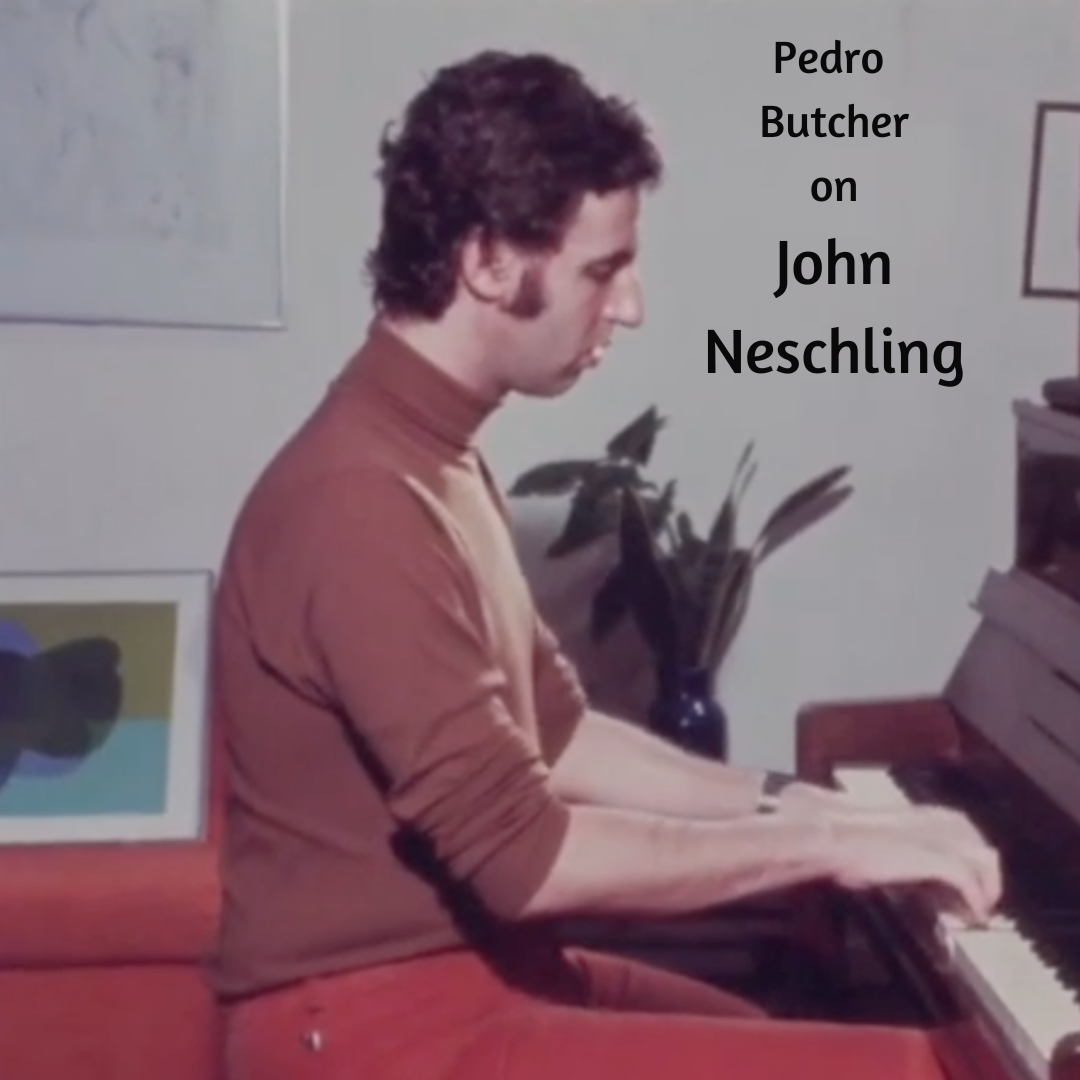
From a later generation, John Neschling was born in Rio de Janeiro in 1947 and immersed himself deeply in the study of piano, composition, and conducting, with periods in Europe and the United States. He studied conducting with Hans Swarowsky and Leonard Bernstein; served as conductor and artistic director of prestigious orchestras in Europe, the United States, and Brazil; and, between 1997 and 2008, led the São Paulo State Symphony Orchestra in a tenure that was at once celebrated for taking the ensemble to the level of the best orchestras in the world and condemned because of Neschling’s tempestuous temperament and, according to critics, authoritarian manner.
Before turning his energies toward an international career, composing scores for theater and cinema held a central place in Neschling’s work, especially throughout the 1970s and 1980s. His name is associated with important stage productions such as As desgraças de uma criança (text by Martins Pena, directed by Antônio Pedro, 1973), O amante de madame Vidal (text by Louis Verneuil, directed by Fernando Torres, 1973), and O patinho feio (a children’s musical with text and direction by Maria Clara Machado, 1976). In addition, he served as musical director for the historic productions of A ópera do malandro (text and songs by Chico Buarque, directed by Luiz Antônio Martinez Corrêa, 1978) and Rasga coração (text by Oduvaldo Vianna Filho, directed by José Renato, 1979).
Before turning his energies toward an international career, composing scores for theater and cinema held a central place in Neschling’s work, especially throughout the 1970s and 1980s. His name is associated with important stage productions such as As desgraças de uma criança (text by Martins Pena, directed by Antônio Pedro, 1973), O amante de madame Vidal (text by Louis Verneuil, directed by Fernando Torres, 1973), and O patinho feio (a children’s musical with text and direction by Maria Clara Machado, 1976). In addition, he served as musical director for the historic productions of A ópera do malandro (text and songs by Chico Buarque, directed by Luiz Antônio Martinez Corrêa, 1978) and Rasga coração (text by Oduvaldo Vianna Filho, directed by José Renato, 1979).
For film and television, Neschling composed scores for just over a dozen works, with absolute emphasis on his collaboration with filmmaker Hector Babenco on three films: Lúcio Flávio, o Passageiro da Agonia (1977), Pixote, a Lei do Mais Fraco (1981), and O Beijo da Mulher Aranha (1985) – on the latter, in collaboration with Nando Carneiro. Perhaps because Babenco received an Oscar nomination and went on to pursue an international career after the successful experience of O Beijo da Mulher Aranha (a typical cosmopolitan production of its time, in English, shot in Brazil, and adapted from a book in Spanish), Babenco came to be regarded as “the most Hollywood-like” of Brazilian directors (a nationality he adopted, despite having been born in Argentina).
However, that may be a hasty conclusion, and a closer look at Neschling’s music and the way it is used in these films may help broaden the horizon. Both Lúcio Flávio and Pixote are adaptations of books by journalist José Louzeiro. The first recounts the misadventures of one of the country’s most active bank robbers; the second follows the trajectory of an abandoned boy, during the time he spends in a state institution and then, after a mass escape, on the streets of São Paulo and Rio de Janeiro. Neschling’s music is in tune with Babenco’s direction, which may in fact be closer to a neorealist conception than to anything properly “classical.” In these two films, Brazilian urban reality is presented in a staging that is both raw and poetic.
In general, in the films scored by Neschling, the music helps set the “tone” in the opening and then appears discreetly and at specific moments, either to underscore a crucial scene or to provide breathing room in a moment of dramatic pause. The symphonic structure takes on Brazilian contours and rhythms — Lúcio Flávio, for example, includes arrangements and a saxophone solo by Paulo Moura. In so called “classical” narratives, the score is usually far more present and emphatic, with “universal” aspirations, serving the needs of melodrama. And even if in O Beijo da Mulher Aranha the music is more present, this is due to the opportunities offered by the film’s dramaturgy, divided between the daily life of two prisoners who share a cell and the imaginary universe of the films described by one of them, the transvestite Molina (William Hurt, Oscar for Best Actor). Yet Babenco’s interests, and the way this universe is constructed, remain the same: a focus on marginal characters and the pursuit of a gaze that is at once realistic and poetic.
Neschling also composed scores for Os condenados (directed by Zelito Viana, 1975); O grande desbum... (1978) and Bonitinha, mas ordinária (1981), both directed by Braz Chediak; O cortiço (directed by Francisco Ramalho Junior, 1978); Gaijin – Os caminhos da liberdade (directed by Tizuka Yamasaki, 1980); O judeu (directed by Jom Tob Azulay, 1996); Desmundo (directed by Alain Fresnot, 2002); and the miniseries Os Maias (directed by Luiz Fernando Carvalho, 2001). Among these, special mention should be made of the opening themes of Desmundo, which use a choir, and the especially beautiful prelude to Os Maias, whose opening pays explicit homage to the opening credits of A época da inocência (directed by Martin Scorsese, 1993), with a score by Elmer Bernstein and title design by Saul Bass.

References:
MÁXIMO, João. “A música do cinema – Os 100 primeiros anos”. Rio de Janeiro, Rocco, 2003.
JOHN Neschling. In: ENCICLOPÉDIA Itaú Cultural de Arte e Cultura Brasileiras. São Paulo: Itaú Cultural, 2020. Disponível em: <http://enciclopedia.itaucultural.org.br/pessoa400722/john-neschling>. Acesso em: 19 de Nov. 2020. Verbete da Enciclopédia.
ISBN: 978-85-7979-060-7


