PT/ENG
PT/ENG
4/9/2024
By/Por:
Malu de Castro

O vermelho e preto da bandeira da Paraíba simbolizam, respectivamente, sangue e luto. A palavra “nego” estampada em branco entre as duas cores remete à suposta recusa do político oligarca João Pessoa em aceitar o esquema no qual se revezavam na presidência do país as elites do Sudeste brasileiro, motivo pelo qual supostamente teria sido assassinado.

Antes Parahyba, o nome da capital do estado foi substituído junto com a bandeira à época do golpe de 1930, quando Getúlio Vargas ascendeu ao poder. João Pessoa era candidato à vice-presidência na chapa de Vargas, e seu clã político organizou um acontecimento midiático com o propósito de torná-lo um mártir, vítima de assassinato com motivação política, para legitimar a tomada de poder de seu aliado em vida, Getúlio Vargas. Essa versão da história é amplamente contestada, já que diversas fontes apontam que a sua morte se relaciona mais com disputas no âmbito pessoal do que qualquer razão relacionada a qualquer ideal político.

Quase cem anos depois do ocorrido, a cidade ainda carrega seu nome e a bandeira homenageia sua grandeza construída, e também rejeitada pela maior parte do povo paraibano – o que é perceptível dado as inúmeras propostas de plebiscito que já ocorreram em prol de uma mudança do nome da cidade, tendo acontecido a última petição em novembro de 2023. O intelectual paraibano Ariano Suassuna, por exemplo, se recusava a chamar a cidade de João Pessoa.

Acontece que no estado da Paraíba existem verdadeiros nomes populares que foram alvo de violência e perseguição política, mas não chegaram a estampar a bandeira, nem muito menos nomearam cidade alguma. Uma delas é Margarida Maria Alves (1933-1983), uma das primeiras mulheres a presidir um sindicato no país, o Sindicato dos Trabalhadores Rurais de Alagoa Grande (PB). Em vida, Margarida inspirou multidões e até hoje o seu legado ecoa na luta por direitos do trabalhador rural no Brasil. A mostra Margarida Sempre Viva! - Três Filmes Sobre a Luta Camponesa, realizada pela Cinelimite, a ABPA e a Casa Margarida Maria Alves, traz um conjunto de filmes gravados em Super-8 na década de 80 que registram seu ativismo político e o seu legado para a luta campesina no Brasil. As novas cópias digitais em 2K dos filmes foram possíveis graças ao projeto Digitalização Viajante, que aconteceu entre outubro de 2022 e fevereiro de 2023 em seis cidades brasileiras (Brasília, Recife, João Pessoa, Teresina, Rio de Janeiro e São Paulo).

A digitalização dos filmes, dirigidos por José Barbosa (1° de Maio e Encerramento da Primeira Semana Sindical no Brejo Paraibano) e Cláudio Barroso (Margarida, Sempre Viva) estreou na data em que se completam 41 anos do assassinato de Margarida, e a mostra possibilta que o público entre em contato com a história dessa grande líder sindical que lutou bravamente contra a opressão do povo campesino e também pela causa da mulher nesse contexto. Exibir esses filmes em 2024 fomenta inúmeros diálogos com a história do cinema brasileiro e sua tradição de documentários que retratam as diversas lutas trabalhistas em curso no país.

Uma das maiores obras do cinema brasileiro, Cabra Marcado Para Morrer (1984), do diretor Eduardo Coutinho, também se debruça em torno da história de luta pela terra na Paraíba. O documentário inicialmente seria uma reconstituição ficcional do assassinato de João Pedro Teixeira, líder da liga camponesa de Sapé (PB), ocorrido em 1962 por ordem de latifundiários. O filme, porém, foi interrompido em 1964, pela ação da repressão militar, após o golpe de estado. O material é confiscado e destruído pela censura. A ativista política da causa camponesa e viúva de João Pedro Teixeira, Elizabeth Teixeira, estava envolvida nas gravações como protagonista da história e foi forçada a desaparecer para fugir da prisão.

Quase duas décadas após a interrupção, Coutinho retoma o projeto e procura Elizabeth Teixeira e outros participantes do filme censurado. Cabra Marcado Para Morrer vira um filme sobre o filme que nunca aconteceu. Dado o destaque que a obra de Coutinho ganhou na história do documentário brasileiro, é difícil não considerar o paralelo temático entre Margarida, Sempre Viva! e Cabra Marcado. Os dois foram lançados com apenas um ano de diferença, e homenageiam a luta de duas mulheres campesinas do estado da Paraíba. Os cineastas chegaram a compartilhar ideias sobre a produção, como relata em entrevista o diretor Cláudio Barroso com Cinelimite. A digitalização em 2K e consequente expansão da circulação dos curtas permite que expandir a percepção acerca da história do cinema nacional, ao considerar a produção fora do eixo Rio-São Paulo.

Durante a gestão de Margarida no Sindicato dos Trabalhadores Rurais de Alagoa Grande, ela moveu mais de 600 ações contra usineiros e latifundiários1 e foi uma voz protagonista na denúncia ao desrespeito às leis trabalhistas e às condições precárias de trabalho nas usinas de cana-de-açúcar, o que incomodou muitos poderosos da região. Sua memória é honrada pela Marcha das Margaridas, uma manifestação de mulheres trabalhadoras rurais que reúne ativistas de todo o Brasil. A marcha acontece a cada quatro anos na capital do país, em prol de direitos sociais, contra a fome e contra a violência dirigida às mulheres do campo e da floresta.

A luta pelos direitos das mulheres do campo vai além das sindicalistas rurais, e também engloba populações tradicionais, como as ribeirinhas, quebradeiras de coco, borracheiras, entre outras, em que toda a categoria trabalho está intimamente ligada à terra, independentemente se a forma de utilização é a plantação e coleta ou a extração vegetal. Pelo Brasil afora, existem muitas homenagens a Margarida, que também se dedicou à educação popular para o povo do campo.

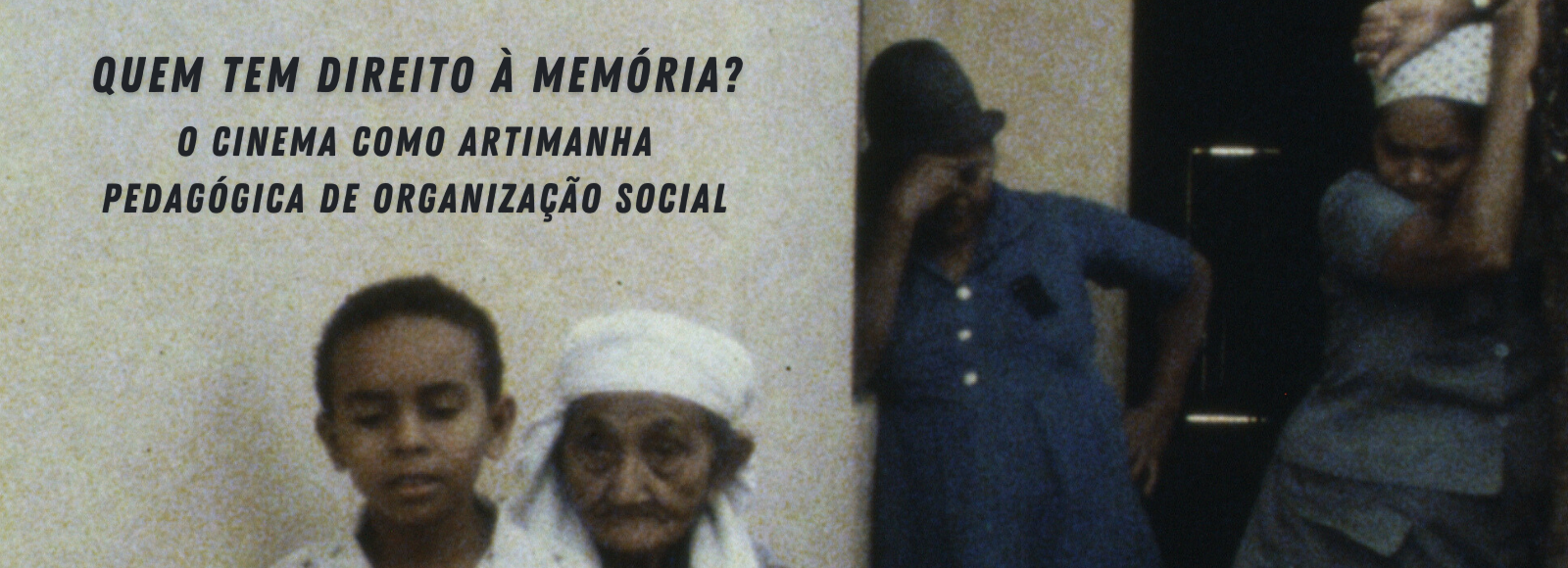
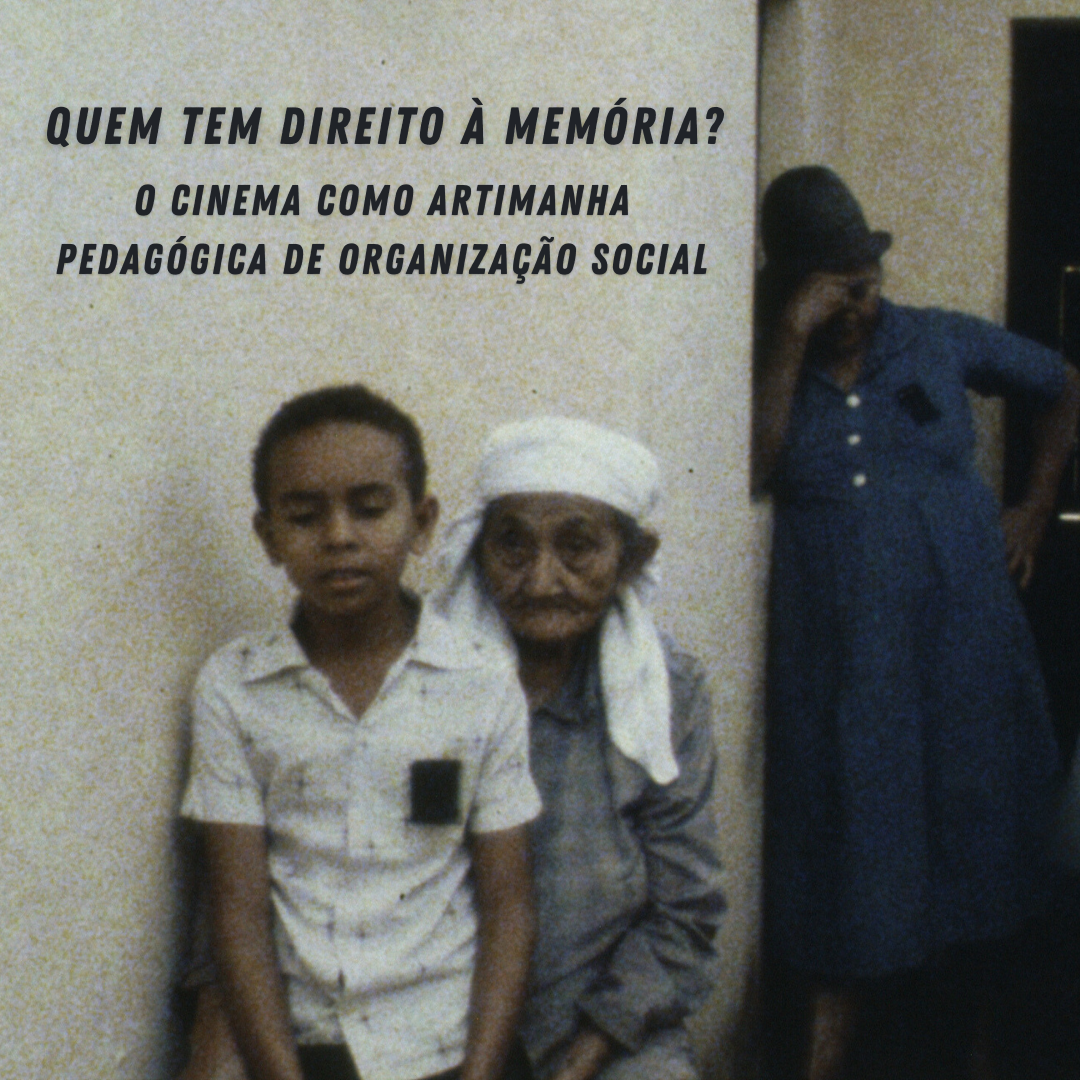
O ímpeto social dos filmes incluídos na mostra se relaciona com a trajetória de ambos os cineastas com a militância. José Barbosa teve seu primeiro emprego no SEDUP, o Serviço de Educação Popular, na cidade de Guarabira, na Paraíba, e Cláudio Barroso se envolveu com educação para trabalhadores rurais. O trabalho de José Barbosa na SEDUP envolvia a produção de materiais para pessoas que não sabiam ler,2 o cinema então pôde ser uma “artimanha pedagógica de organização social”, de acordo com o cineasta, em entrevista para a Cinelimite. Os documentários, segundo o diretor, foram exibidos em sítios, associações em vários municípios da região do Brejo Paraibano. Da mesma forma, o cineasta Cláudio Barroso, também produziu sobre a luta campesina e a violência em torno dos militantes.

Frente a uma forte articulação entre polícia e poder público em prol da impunidade aos crimes contra ativistas no Brasil, o trabalho jornalístico e educacional desempenha um papel importante em fortalecer a causa popular.

É importante ressaltar o aspecto do pioneirismo político-educativo sindical e popular dos feitos que Margarida foi capaz de alcançar em vida, por meio da luta pelos direitos das mulheres do campo e com a difusão das ideias de Paulo Freire, pelo Centro de Educação e Cultura do Trabalhador Rural / CENTRU-PB. Esse ímpeto também é comum a Elizabeth Teixeira, que lutava pela educação dos trabalhadores rurais, em um contexto semelhante, apesar das diferenças, combinando educação popular e negociação por melhores condições de trabalho.

Em 1972, durante o depoimento à Comissão Parlamentar de Inquérito do Campo, Elizabeth Teixeira declara:

“Sr.  Doutor,  mesmo  mulher,  e  hoje  mãe  e  pai  de  família,  precisa  saber  organizar. Organizar as famílias, em grupos, em núcleos. Precisa  saber  falar,  também,  com  os  latifundiários.  Pra  dizer  sim,  se  tiver  ganho,  pra  todo o núcleo. Pra dizer não, se não houver ganho. Olhar nos olhos dos jagunços, depois virar e não olhar pra trás, mesmo que venha tiros.”

Em sua dissertação de mestrado sobre Margarida Maria Alves, a pesquisadora Ana Paula Romão de Souza Ferreira escreveu: “a necessidade de uma reforma agrária significava ir além do desencadeamento de mobilizações, pois se faziam necessárias outras habilidades, em especial a condição de ser liderança mulher”.3 A pesquisadora realiza um exercício de rememoração com duas entrevistadas companheiras de luta de Margarida, e se inclui para avaliar o legado e inspiração que a sindicalista deixou para mulheres envolvidas na luta pela reforma agrária, que reflete a memória da líder sindicalista como inspiração para a militância política, capaz de reunir multidões em vida e influenciar inúmeras novas gerações.

I - 1° de Maio

Os preparativos para as manifestações do Dia do Trabalhador retratam gestos manuais em torno da serigrafia, parte da confecção de faixas e camisetas destinadas aos protestos dos trabalhadores rurais. O esforço manual registrado nas cenas faz uma rima com a encenação que ocorre durante a fala pública do sindicato, na qual trabalhadores simulam o trabalho da terra em cima de uma caminhonete para a multidão, denunciando a violência com a qual os patrões tratam seus subordinados, uma dinâmica de exploração servil que remonta aos tempos do Brasil colônia. A luta e o trabalho se aproximam com o fazer manual, a partir dessa combinação. Em seguida, os trabalhadores cantam: “a vida de trabalhador é vida de sofredor”.

A filmagem ocorre três meses antes do assassinato de Margarida. Seu discurso  mostra a maneira segura e motivadora com a qual ela se dirige aos trabalhadores, e uma frase proferida pela sindicalista foi eternizada após sua morte, em muitas manifestações e homenagens: “é melhor morrer na luta do que morrer de fome”. Não seria justo dizer que é algo relacionado ao caso isolado da trajetória de Margarida, pois ativistas políticos do campo convivem, desde sempre, com a perseguição violenta e cruel aos que lutam por direitos trabalhistas. Tanto no contexto rural quanto urbano, os assassinatos políticos fazem parte da história do nosso país, que atualmente configura no topo do ranking de assassinatos a líderes políticos no mundo. Graças à união do poder público com empresários e proprietários de terra, crimes hediondos como assassinato de Margarida, permanecem impunes.

A maioria das imagens gravadas no documentário sobre os eventos que envolvem o dia 1° de maio são diurnas, e chama atenção a luz forte projetada no grupo de camponeses que se reúnem para escutar falas da liderança sindicalista. O espectador se vê deparado com imagens potentes do público que encara a câmera sem se resignar, outras pessoas mantém o olhar alheio, algumas crianças brincam. O gesto de iluminar diretamente o público reforça o assunto do documentário em enfatizar a necessidade de se dar ouvidos às reivindicações desses trabalhadores explorados por usineiros e proprietários de terra.

II - Primeira Semana Sindical no Brejo Paraibano

Mais uma vez, no filme Primeira Semana Sindical no Brejo Paraibano, vemos uma ênfase no feitio de cartazes. A técnica da prensa se relaciona com a arte popular da xilogravura, bastante presente na cultura paraibana. As imagens dessas faixas e os dizeres nas camisetas dão voz à multidão que se forma em torno do evento. São apresentadas imagens em que se vê veículos cheios de camponeses que vem presenciar a primeira semana sindical.

A ênfase do documentário é no coletivo. A narração da voz de Margarida e outros sindicalistas é combinada às imagens dos camponeses reunidos, somando-se sua expressão nas manifestações de protesto nas camisetas e faixas levantadas. Margarida aparece discursando sendo filmada de baixo para cima com o céu atrás de si, do ponto de vista do público. Muitos encaram as falas com o semblante sério de braços cruzados, enquanto outros aplaudem. As famílias comparecem com suas crianças, o que marca o cotidiano daquela comunidade, que, apesar do silêncio para escutar a fala dos sindicalista, também tem seu discurso somado à manifestação na câmera -- através das placas e dizeres nas camisetas.

III - Margarida, Sempre Viva!

Margarida, Sempre Viva! é um filme dedicado às mulheres do campo. A montagem inicial mostra uma profusão de guarda-chuvas negros na ocasião do protesto reinvindcando justiça pela sua morte, justaposta com fotografias do seu enterro e uma fala sindical proferida poucos meses antes de sua morte. A terra, tema de reivindicação, aparece na imagem de uma cova sendo coberta, evocando "Morte e Vida Severina", poema dramático de João Cabral de Melo Neto, publicado em 1955.

“É de bom tamanho, nem largo nem fundo, é a parte que te cabe neste latifúndio.”

O filme não possui um discurso pessimista e se concentra no fortalecimento do movimento sindicalista rural, mas é difícil não encarar que a história da luta pela reforma agrária se repete há séculos no Brasil. A montagem do filme aponta as contradições entre o depoimento dos integrantes da comunidade onde Margarida morava, e os depoimentos de membros do judiciário quando se referem ao crime. Aparece no filme o mandante do crime, Aguinaldo Velloso Borges, integrante do chamado Grupo da Várzea, associação de latifundiários e usineiros da oligarquia política paraibana, mesmo grupo associado ao mandato do assassinato de João Pedro Teixeira. Como maneira de engajar os sujeitos do documentário na criação do filme, eles encenam uma recriação do dia do assassinato de Margarida. Em uma animação a foto emblemática de Margarida, reproduzida amplamente, é coberta de vermelho.

Nos letreiros do filme, vemos dados numéricos que representam a pressão exercida pelo sindicato ao grupo de proprietários de terra, evidenciando o conflito de interesse dos dois grupos.

As entrevistas do documentário são majoritariamente femininas. As mulheres camponesas aparecem em cena com seus filhos, sugerindo a dupla jornada do trabalho doméstico enfrentada pela categoria. Presente nos três filmes, é possível ver as famílias com suas crianças durante as atividades sindicais. As mulheres entrevistadas falam sobre a diferença salarial entre homens e mulheres, que ganham menos do que seus companheiros que já não recebem um salário justo. Nas falas do protesto clamando por justiça, ouve-se de um sindicalista:

“O que o governo está fazendo é cobrir a terra com cana para fabricar álcool para encher o tanque dos carros e o povo, morrendo de fome e desempregado”

A sequência final intercala uma montagem paralela entre a fala de Margarida aos trabalhadores na primeira semana sindical e em uma entrevista sua exibida postumamente, na qual a líder sindicalista diz que não vai parar até morrer. Diversas mulheres são mostradas no ambiente do campo, e a insígnia do seu nome é repetida até ocupar totalmente a tela.

Os letreiros vão se enchendo de margaridas ao final do filme. Das falas sindicais no protesto, existe um mote que serve para o documentário “uma causa não pode se matar por balas”. As cores nas cenas que apresentam o evento do protesto ao assassinato de Margarida tem duas cores, uma é a da multidão de guarda-chuvas pretos e a outra, as camisas brancas que vestem os presentes, clamando por paz no campo, um par cromático que simboliza luto e paz, o primeiro que não pode ser processado e o segundo que não consegue ser atingido sem justiça. Recuperar esses filmes e lembrar do que aconteceu com Margarida é essencial para que a impunidade do crime também não seja esquecida.

Quatro décadas após o lançamento dos filmes, ainda é extremamente relevante pensar a memória dos movimentos sociais através do cinema. Os trabalhadores do Estado da Paraíba merecem o direito à sua história, a lembrar que não foi a classe dominante que se sacrificou por mudança na fome, desemprego e abandono da população. Os verdadeiros líderes populares paraibanos não estão estampados na nossa bandeira nem receberam título de cidade, mas nunca irão morrer na memória do povo, que sempre há de clamar por uma representação mais justa e por seus direitos fundamentais.

1. De acordo com levantamentos disponibilizados pela Fundação Margarida Alves em prol da campanha “Margarida na memória”. Disponível em: https://www.fundacaomargaridaalves.org.br/campanha-margarida-na-memoria/

2.  Disponível em: https://www.youtube.com/watch?v=D6-Fvirvx9Y

3. FERREIRA, Ana Paula Romão de Souza. Margarida, Margaridas: memória de Margarida Maria Alves (1933-1983) e as práticas educativas das camponesas na Paraíba. 2017. Editora UFPB. p. 100.

O vermelho e preto da bandeira da Paraíba simbolizam, respectivamente, sangue e luto. A palavra “nego” estampada em branco entre as duas cores remete à suposta recusa do político oligarca João Pessoa em aceitar o esquema no qual se revezavam na presidência do país as elites do Sudeste brasileiro, motivo pelo qual supostamente teria sido assassinado.

Antes Parahyba, o nome da capital do estado foi substituído junto com a bandeira à época do golpe de 1930, quando Getúlio Vargas ascendeu ao poder. João Pessoa era candidato à vice-presidência na chapa de Vargas, e seu clã político organizou um acontecimento midiático com o propósito de torná-lo um mártir, vítima de assassinato com motivação política, para legitimar a tomada de poder de seu aliado em vida, Getúlio Vargas. Essa versão da história é amplamente contestada, já que diversas fontes apontam que a sua morte se relaciona mais com disputas no âmbito pessoal do que qualquer razão relacionada a qualquer ideal político.

Quase cem anos depois do ocorrido, a cidade ainda carrega seu nome e a bandeira homenageia sua grandeza construída, e também rejeitada pela maior parte do povo paraibano – o que é perceptível dado as inúmeras propostas de plebiscito que já ocorreram em prol de uma mudança do nome da cidade, tendo acontecido a última petição em novembro de 2023. O intelectual paraibano Ariano Suassuna, por exemplo, se recusava a chamar a cidade de João Pessoa.

Acontece que no estado da Paraíba existem verdadeiros nomes populares que foram alvo de violência e perseguição política, mas não chegaram a estampar a bandeira, nem muito menos nomearam cidade alguma. Uma delas é Margarida Maria Alves (1933-1983), uma das primeiras mulheres a presidir um sindicato no país, o Sindicato dos Trabalhadores Rurais de Alagoa Grande (PB). Em vida, Margarida inspirou multidões e até hoje o seu legado ecoa na luta por direitos do trabalhador rural no Brasil. A mostra Margarida Sempre Viva! - Três Filmes Sobre a Luta Camponesa, realizada pela Cinelimite, a ABPA e a Casa Margarida Maria Alves, traz um conjunto de filmes gravados em Super-8 na década de 80 que registram seu ativismo político e o seu legado para a luta campesina no Brasil. As novas cópias digitais em 2K dos filmes foram possíveis graças ao projeto Digitalização Viajante, que aconteceu entre outubro de 2022 e fevereiro de 2023 em seis cidades brasileiras (Brasília, Recife, João Pessoa, Teresina, Rio de Janeiro e São Paulo).

A digitalização dos filmes, dirigidos por José Barbosa (1° de Maio e Encerramento da Primeira Semana Sindical no Brejo Paraibano) e Cláudio Barroso (Margarida, Sempre Viva) estreou na data em que se completam 41 anos do assassinato de Margarida, e a mostra possibilta que o público entre em contato com a história dessa grande líder sindical que lutou bravamente contra a opressão do povo campesino e também pela causa da mulher nesse contexto. Exibir esses filmes em 2024 fomenta inúmeros diálogos com a história do cinema brasileiro e sua tradição de documentários que retratam as diversas lutas trabalhistas em curso no país.

Uma das maiores obras do cinema brasileiro, Cabra Marcado Para Morrer (1984), do diretor Eduardo Coutinho, também se debruça em torno da história de luta pela terra na Paraíba. O documentário inicialmente seria uma reconstituição ficcional do assassinato de João Pedro Teixeira, líder da liga camponesa de Sapé (PB), ocorrido em 1962 por ordem de latifundiários. O filme, porém, foi interrompido em 1964, pela ação da repressão militar, após o golpe de estado. O material é confiscado e destruído pela censura. A ativista política da causa camponesa e viúva de João Pedro Teixeira, Elizabeth Teixeira, estava envolvida nas gravações como protagonista da história e foi forçada a desaparecer para fugir da prisão.

Quase duas décadas após a interrupção, Coutinho retoma o projeto e procura Elizabeth Teixeira e outros participantes do filme censurado. Cabra Marcado Para Morrer vira um filme sobre o filme que nunca aconteceu. Dado o destaque que a obra de Coutinho ganhou na história do documentário brasileiro, é difícil não considerar o paralelo temático entre Margarida, Sempre Viva! e Cabra Marcado. Os dois foram lançados com apenas um ano de diferença, e homenageiam a luta de duas mulheres campesinas do estado da Paraíba. Os cineastas chegaram a compartilhar ideias sobre a produção, como relata em entrevista o diretor Cláudio Barroso com Cinelimite. A digitalização em 2K e consequente expansão da circulação dos curtas permite que expandir a percepção acerca da história do cinema nacional, ao considerar a produção fora do eixo Rio-São Paulo.

Durante a gestão de Margarida no Sindicato dos Trabalhadores Rurais de Alagoa Grande, ela moveu mais de 600 ações contra usineiros e latifundiários1 e foi uma voz protagonista na denúncia ao desrespeito às leis trabalhistas e às condições precárias de trabalho nas usinas de cana-de-açúcar, o que incomodou muitos poderosos da região. Sua memória é honrada pela Marcha das Margaridas, uma manifestação de mulheres trabalhadoras rurais que reúne ativistas de todo o Brasil. A marcha acontece a cada quatro anos na capital do país, em prol de direitos sociais, contra a fome e contra a violência dirigida às mulheres do campo e da floresta.

A luta pelos direitos das mulheres do campo vai além das sindicalistas rurais, e também engloba populações tradicionais, como as ribeirinhas, quebradeiras de coco, borracheiras, entre outras, em que toda a categoria trabalho está intimamente ligada à terra, independentemente se a forma de utilização é a plantação e coleta ou a extração vegetal. Pelo Brasil afora, existem muitas homenagens a Margarida, que também se dedicou à educação popular para o povo do campo.

O ímpeto social dos filmes incluídos na mostra se relaciona com a trajetória de ambos os cineastas com a militância. José Barbosa teve seu primeiro emprego no SEDUP, o Serviço de Educação Popular, na cidade de Guarabira, na Paraíba, e Cláudio Barroso se envolveu com educação para trabalhadores rurais. O trabalho de José Barbosa na SEDUP envolvia a produção de materiais para pessoas que não sabiam ler,2 o cinema então pôde ser uma “artimanha pedagógica de organização social”, de acordo com o cineasta, em entrevista para a Cinelimite. Os documentários, segundo o diretor, foram exibidos em sítios, associações em vários municípios da região do Brejo Paraibano. Da mesma forma, o cineasta Cláudio Barroso, também produziu sobre a luta campesina e a violência em torno dos militantes.

Frente a uma forte articulação entre polícia e poder público em prol da impunidade aos crimes contra ativistas no Brasil, o trabalho jornalístico e educacional desempenha um papel importante em fortalecer a causa popular.

É importante ressaltar o aspecto do pioneirismo político-educativo sindical e popular dos feitos que Margarida foi capaz de alcançar em vida, por meio da luta pelos direitos das mulheres do campo e com a difusão das ideias de Paulo Freire, pelo Centro de Educação e Cultura do Trabalhador Rural / CENTRU-PB. Esse ímpeto também é comum a Elizabeth Teixeira, que lutava pela educação dos trabalhadores rurais, em um contexto semelhante, apesar das diferenças, combinando educação popular e negociação por melhores condições de trabalho.

Em 1972, durante o depoimento à Comissão Parlamentar de Inquérito do Campo, Elizabeth Teixeira declara:

“Sr.  Doutor,  mesmo  mulher,  e  hoje  mãe  e  pai  de  família,  precisa  saber  organizar. Organizar as famílias, em grupos, em núcleos. Precisa  saber  falar,  também,  com  os  latifundiários.  Pra  dizer  sim,  se  tiver  ganho,  pra  todo o núcleo. Pra dizer não, se não houver ganho. Olhar nos olhos dos jagunços, depois virar e não olhar pra trás, mesmo que venha tiros.”

Em sua dissertação de mestrado sobre Margarida Maria Alves, a pesquisadora Ana Paula Romão de Souza Ferreira escreveu: “a necessidade de uma reforma agrária significava ir além do desencadeamento de mobilizações, pois se faziam necessárias outras habilidades, em especial a condição de ser liderança mulher”.3 A pesquisadora realiza um exercício de rememoração com duas entrevistadas companheiras de luta de Margarida, e se inclui para avaliar o legado e inspiração que a sindicalista deixou para mulheres envolvidas na luta pela reforma agrária, que reflete a memória da líder sindicalista como inspiração para a militância política, capaz de reunir multidões em vida e influenciar inúmeras novas gerações.

I - 1° de Maio

Os preparativos para as manifestações do Dia do Trabalhador retratam gestos manuais em torno da serigrafia, parte da confecção de faixas e camisetas destinadas aos protestos dos trabalhadores rurais. O esforço manual registrado nas cenas faz uma rima com a encenação que ocorre durante a fala pública do sindicato, na qual trabalhadores simulam o trabalho da terra em cima de uma caminhonete para a multidão, denunciando a violência com a qual os patrões tratam seus subordinados, uma dinâmica de exploração servil que remonta aos tempos do Brasil colônia. A luta e o trabalho se aproximam com o fazer manual, a partir dessa combinação. Em seguida, os trabalhadores cantam: “a vida de trabalhador é vida de sofredor”.

A filmagem ocorre três meses antes do assassinato de Margarida. Seu discurso  mostra a maneira segura e motivadora com a qual ela se dirige aos trabalhadores, e uma frase proferida pela sindicalista foi eternizada após sua morte, em muitas manifestações e homenagens: “é melhor morrer na luta do que morrer de fome”. Não seria justo dizer que é algo relacionado ao caso isolado da trajetória de Margarida, pois ativistas políticos do campo convivem, desde sempre, com a perseguição violenta e cruel aos que lutam por direitos trabalhistas. Tanto no contexto rural quanto urbano, os assassinatos políticos fazem parte da história do nosso país, que atualmente configura no topo do ranking de assassinatos a líderes políticos no mundo. Graças à união do poder público com empresários e proprietários de terra, crimes hediondos como assassinato de Margarida, permanecem impunes.

A maioria das imagens gravadas no documentário sobre os eventos que envolvem o dia 1° de maio são diurnas, e chama atenção a luz forte projetada no grupo de camponeses que se reúnem para escutar falas da liderança sindicalista. O espectador se vê deparado com imagens potentes do público que encara a câmera sem se resignar, outras pessoas mantém o olhar alheio, algumas crianças brincam. O gesto de iluminar diretamente o público reforça o assunto do documentário em enfatizar a necessidade de se dar ouvidos às reivindicações desses trabalhadores explorados por usineiros e proprietários de terra.

II - Primeira Semana Sindical no Brejo Paraibano

Mais uma vez, no filme Primeira Semana Sindical no Brejo Paraibano, vemos uma ênfase no feitio de cartazes. A técnica da prensa se relaciona com a arte popular da xilogravura, bastante presente na cultura paraibana. As imagens dessas faixas e os dizeres nas camisetas dão voz à multidão que se forma em torno do evento. São apresentadas imagens em que se vê veículos cheios de camponeses que vem presenciar a primeira semana sindical.

A ênfase do documentário é no coletivo. A narração da voz de Margarida e outros sindicalistas é combinada às imagens dos camponeses reunidos, somando-se sua expressão nas manifestações de protesto nas camisetas e faixas levantadas. Margarida aparece discursando sendo filmada de baixo para cima com o céu atrás de si, do ponto de vista do público. Muitos encaram as falas com o semblante sério de braços cruzados, enquanto outros aplaudem. As famílias comparecem com suas crianças, o que marca o cotidiano daquela comunidade, que, apesar do silêncio para escutar a fala dos sindicalista, também tem seu discurso somado à manifestação na câmera -- através das placas e dizeres nas camisetas.

III - Margarida, Sempre Viva!

Margarida, Sempre Viva! é um filme dedicado às mulheres do campo. A montagem inicial mostra uma profusão de guarda-chuvas negros na ocasião do protesto reinvindcando justiça pela sua morte, justaposta com fotografias do seu enterro e uma fala sindical proferida poucos meses antes de sua morte. A terra, tema de reivindicação, aparece na imagem de uma cova sendo coberta, evocando "Morte e Vida Severina", poema dramático de João Cabral de Melo Neto, publicado em 1955.

“É de bom tamanho, nem largo nem fundo, é a parte que te cabe neste latifúndio.”

O filme não possui um discurso pessimista e se concentra no fortalecimento do movimento sindicalista rural, mas é difícil não encarar que a história da luta pela reforma agrária se repete há séculos no Brasil. A montagem do filme aponta as contradições entre o depoimento dos integrantes da comunidade onde Margarida morava, e os depoimentos de membros do judiciário quando se referem ao crime. Aparece no filme o mandante do crime, Aguinaldo Velloso Borges, integrante do chamado Grupo da Várzea, associação de latifundiários e usineiros da oligarquia política paraibana, mesmo grupo associado ao mandato do assassinato de João Pedro Teixeira. Como maneira de engajar os sujeitos do documentário na criação do filme, eles encenam uma recriação do dia do assassinato de Margarida. Em uma animação a foto emblemática de Margarida, reproduzida amplamente, é coberta de vermelho.

Nos letreiros do filme, vemos dados numéricos que representam a pressão exercida pelo sindicato ao grupo de proprietários de terra, evidenciando o conflito de interesse dos dois grupos.

As entrevistas do documentário são majoritariamente femininas. As mulheres camponesas aparecem em cena com seus filhos, sugerindo a dupla jornada do trabalho doméstico enfrentada pela categoria. Presente nos três filmes, é possível ver as famílias com suas crianças durante as atividades sindicais. As mulheres entrevistadas falam sobre a diferença salarial entre homens e mulheres, que ganham menos do que seus companheiros que já não recebem um salário justo. Nas falas do protesto clamando por justiça, ouve-se de um sindicalista:

“O que o governo está fazendo é cobrir a terra com cana para fabricar álcool para encher o tanque dos carros e o povo, morrendo de fome e desempregado”

A sequência final intercala uma montagem paralela entre a fala de Margarida aos trabalhadores na primeira semana sindical e em uma entrevista sua exibida postumamente, na qual a líder sindicalista diz que não vai parar até morrer. Diversas mulheres são mostradas no ambiente do campo, e a insígnia do seu nome é repetida até ocupar totalmente a tela.

Os letreiros vão se enchendo de margaridas ao final do filme. Das falas sindicais no protesto, existe um mote que serve para o documentário “uma causa não pode se matar por balas”. As cores nas cenas que apresentam o evento do protesto ao assassinato de Margarida tem duas cores, uma é a da multidão de guarda-chuvas pretos e a outra, as camisas brancas que vestem os presentes, clamando por paz no campo, um par cromático que simboliza luto e paz, o primeiro que não pode ser processado e o segundo que não consegue ser atingido sem justiça. Recuperar esses filmes e lembrar do que aconteceu com Margarida é essencial para que a impunidade do crime também não seja esquecida.

Quatro décadas após o lançamento dos filmes, ainda é extremamente relevante pensar a memória dos movimentos sociais através do cinema. Os trabalhadores do Estado da Paraíba merecem o direito à sua história, a lembrar que não foi a classe dominante que se sacrificou por mudança na fome, desemprego e abandono da população. Os verdadeiros líderes populares paraibanos não estão estampados na nossa bandeira nem receberam título de cidade, mas nunca irão morrer na memória do povo, que sempre há de clamar por uma representação mais justa e por seus direitos fundamentais.

1. De acordo com levantamentos disponibilizados pela Fundação Margarida Alves em prol da campanha “Margarida na memória”. Disponível em: https://www.fundacaomargaridaalves.org.br/campanha-margarida-na-memoria/

2.  Disponível em: https://www.youtube.com/watch?v=D6-Fvirvx9Y

3. FERREIRA, Ana Paula Romão de Souza. Margarida, Margaridas: memória de Margarida Maria Alves (1933-1983) e as práticas educativas das camponesas na Paraíba. 2017. Editora UFPB. p. 100.

The red and black of the Paraíba flag symbolize blood and mourning respectively. The word “nego” printed in white between the two colors refers to the supposed refusal of the oligarch politician João Pessoa to accept the scheme in which the elites of the Brazilian Southeast took turns in the presidency of the country, which is supposedly why he was assassinated.

Formerly Parahyba, the name of the state capital was replaced together with the flag at the time of the 1930 coup, when Getúlio Vargas came to power. João Pessoa was the vice-presidential candidate on Vargas' ticket, and his political clan organized a media event with the aim of making him a martyr, the victim of a politically motivated assassination, in order to legitimize the seizure of power by his lifelong ally, Getúlio Vargas. This version of the story is widely contested, as several sources point out that his death was more related to personal disputes than to any political ideal.

Almost a hundred years after the event, the city still bears its name and the flag honoring its greatness, which was built and also rejected by the majority of the people of Paraíba - noticeable, given the numerous plebiscite proposals that have already taken place in favor of changing the city's name, the last petition having taken place in November 2023. The Paraiban intellectual Ariano Suassuna, for example, refused to call the city João Pessoa.

It turns out that in the state of Paraíba there are real grassroots names that have been the target of violence and political persecution, but haven't made it onto the flag or even named a town. One of them is Margarida Maria Alves (1933-1983), one of the first women to chair a trade union in the country, the Rural Workers' Union of Alagoa Grande (PB).  During her lifetime, Margarida inspired multitudes and her legacy still echoes today in the struggle for rural workers' rights in Brazil. The exhibition Margarida Sempre Viva! - Três Filmes Sobre a Luta Camponesa (Three Films on the Peasant Struggle), organized by Cinelimite, ABPA and Casa Margarida Maria Alves, features a set of films shot on Super-8 in the 1980s that record her political activism and her legacy to the peasant struggle in Brazil. The new 2K digital copies of the films were made possible thanks to the Traveling Digitization project, which took place between October 2022 and February 2023 in six Brazilian cities (Brasília, Recife, João Pessoa, Teresina, Rio de Janeiro and São Paulo).

The digitalization of the films, directed by José Barbosa (1° de Maio and Closure of the First Trade Union Week in Brejo Paraibano) and Cláudio Barroso (Margarida, Sempre Viva) premiered on the 41st anniversary of Margarida's murder, and the exhibition allows the public to get in touch with the story of this great trade union leader who fought bravely against the oppression of the peasantry and also for the cause of women within this context. Showing these films in 2024 fosters numerous dialogues with the history of Brazilian cinema and its tradition of documentaries that portray the various labor struggles underway in the country.

One of the greatest works of Brazilian cinema, Cabra Marcado Para Morrer (1984), by director Eduardo Coutinho, also focuses on the history of the struggle for land in Paraíba. The documentary was initially intended to be a fictionalized reconstruction of the murder of João Pedro Teixeira, leader of the peasant league of Sapé (PB), which took place in 1962 on the orders of landowners. The film, however, was interrupted in 1964 by military repression following the coup d'état. The material was confiscated and destroyed by censors. The political activist for the peasant cause and widow of João Pedro Teixeira, Elizabeth Teixeira, was involved in the recordings as the protagonist of the story and was forced to disappear to escape from prison.

Almost two decades after the interruption, Coutinho resumes the project and seeks out Elizabeth Teixeira and other participants in the censored film. Cabra Marcado Para Morrer becomes a movie about the movie that never happened. Given the prominence that Coutinho's work has gained in the history of Brazilian documentary, it's hard not to consider the thematic parallels between Margarida, Sempre Viva! and Cabra Marcado. The two were released just a year apart and pay homage to the struggle of two rural women from the state of Paraíba. The filmmakers even shared ideas about the production, as director Cláudio Barroso said in an interview with Cinelimite.

During Margarida's tenure at the Alagoa Grande Rural Workers' Union, she filed more than 600 lawsuits against mill owners and landowners1 and was a leading voice in denouncing disrespect for labor laws and precarious working conditions in the sugarcane mills, which upset many powerful people in the region. Her memory is honored by the March of the Daisies, a demonstration of rural women workers that brings together activists from all over Brazil. The march takes place every four years in the country's capital, in favor of social rights, against hunger and against violence against rural and woodland women.

The fight for rural women's rights goes beyond rural trade unionists, and also encompasses traditional populations, such as riverine communities, coconut breakers, rubber tappers, among others, where the whole category of labour is closely linked to the land, regardless of whether it is used for planting and gathering or for plant extraction. Throughout Brazil, there are many tributes to Margarida, who also dedicated herself to popular education for rural people.

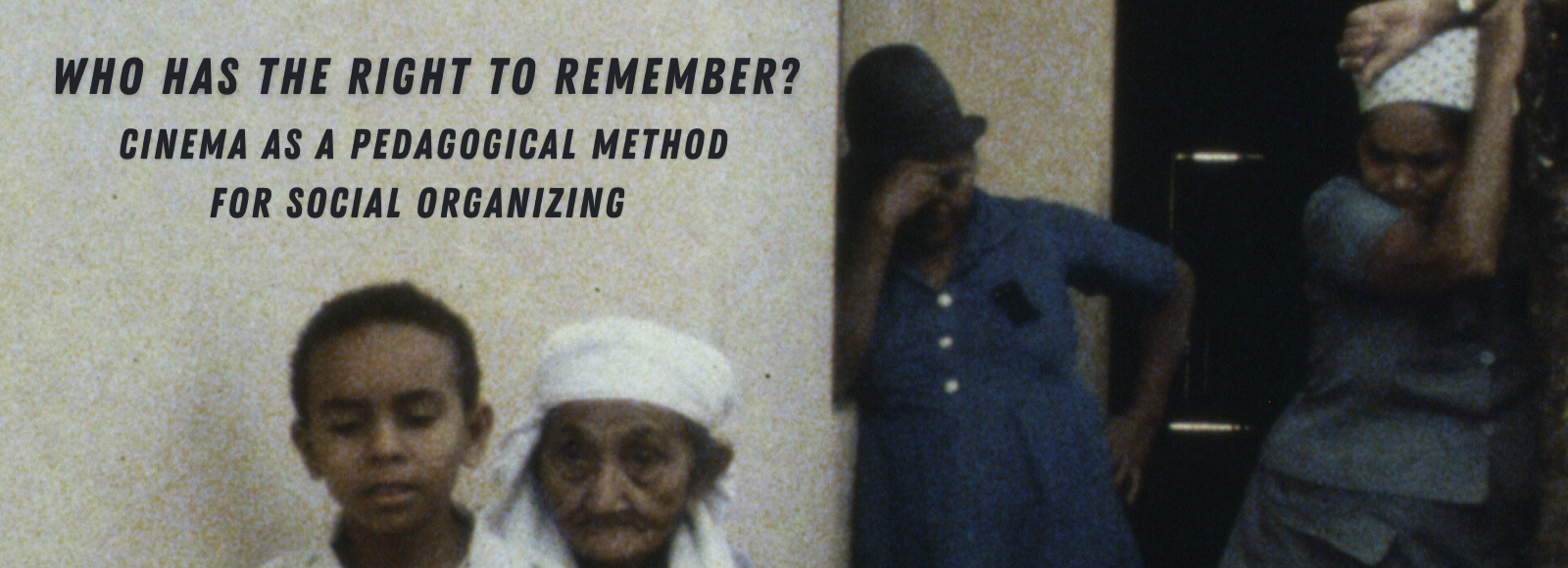
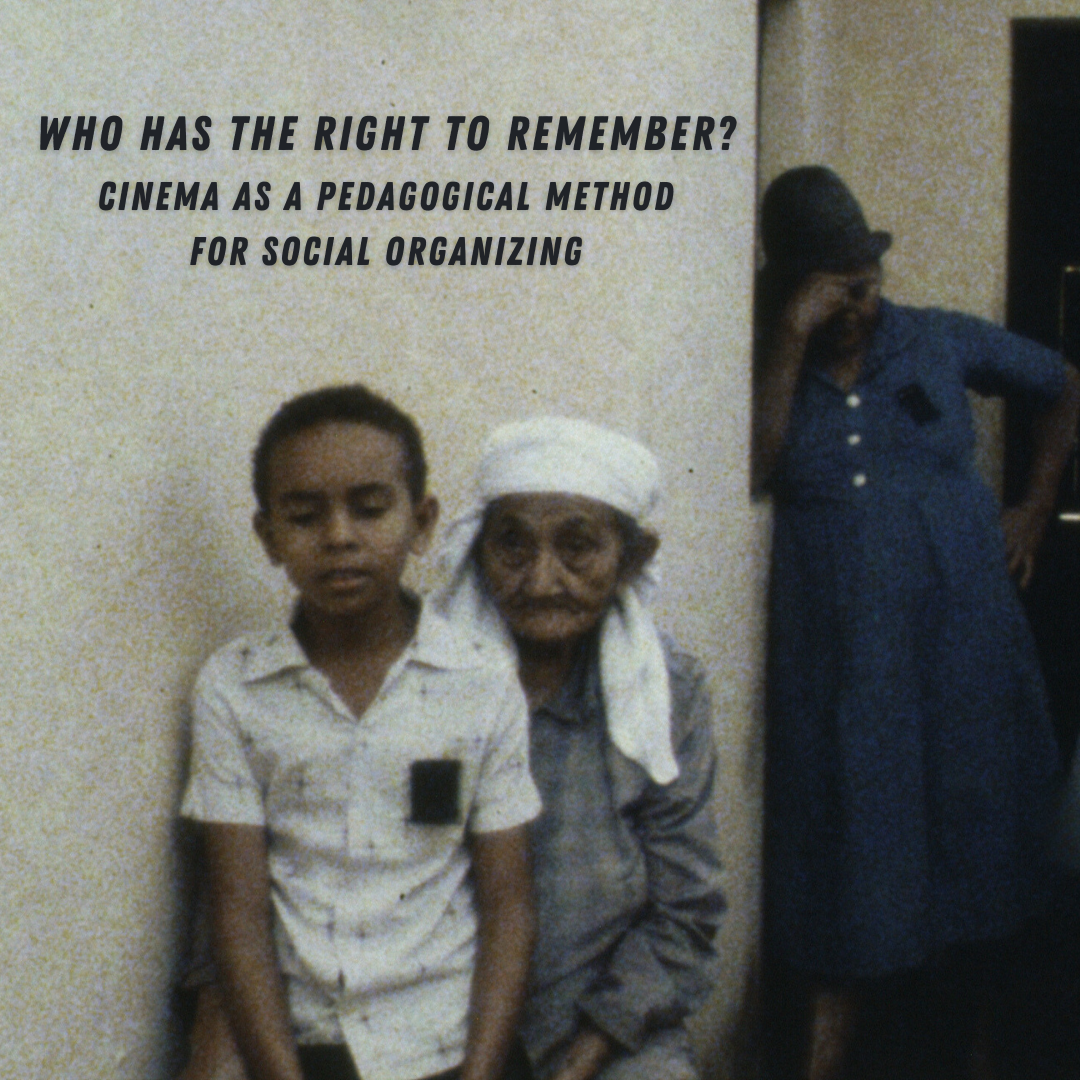
The social impetus behind the films included in the exhibition is related to the trajectory of both filmmakers in the activist movement. José Barbosa had his first job at SEDUP, the Popular Education Service, in the city of Guarabira, Paraíba, and Cláudio Barroso was involved in education for rural workers. José Barbosa's work at SEDUP involved producing materials for people who couldn't read,2 and therefore we can consider cinema as a “pedagogical method of social organization”, as said by the filmmaker in an interview with Cinelimite. The documentaries, according to the director, were shown on farms and in associations in various municipalities in the Brejo Paraibano region. Similarly, the filmmaker Cláudio Barroso also produced a film about the peasant struggle and the violence surrounding the militants.

Faced with a strong link between the police and public authorities in favor of impunity for crimes against activists in Brazil, journalistic and educational work plays an important role in strengthening the grassroots cause.

It is important to highlight the pioneering political-educational, union and grassroots aspect of Margarida's achievements during her lifetime, through her fight for the rights of rural women and the dissemination of Paulo Freire's ideas through the Center for Education and Culture of Rural Workers (CENTRU-PB). This impetus was also shared by Elizabeth Teixeira, who fought for the education of rural workers in a similar context, combining popular education and negotiation for better working conditions.

In 1972, during her testimony to the Parliamentary Commission of Inquiry into the Countryside, Elizabeth Teixeira declared:

“Doctor, even women, and today mothers and fathers, need to know how to organize. Organize families into groups, into nuclei. You also need to know how to talk to the landowners.  To say yes, if you win, to the whole nucleus. To say no if there's no gain. To look the armed thugs in the eye, then turn around and not look back, even if shots come.”

In her master's dissertation on Margarida Maria Alves, researcher Ana Paula Romão de Souza Ferreira wrote: “the need for agrarian reform meant going beyond mobilization, because other skills were needed, especially the ability to be a woman leader”.3 The researcher carries out an exercise in recollection with two interviewees who were Margarida's comrades-in-arms, and includes her own assessment to evaluate the legacy and inspiration that the trade unionist left to women involved in the struggle for agrarian reform. Her dissertation reflects the memory of the trade union leader as an inspiration for political militancy, capable of gathering crowds in her lifetime and influencing countless new generations.

I - 1° de Maio

The preparations for the May Day demonstrations depict manual labor involving silk-screening, part of the making of banners and T-shirts for the rural workers' protests. The manual labor recorded in the scenes parallels the staging that takes place during the union's speech, in which workers simulate working the land on top of a truck for the crowd, denouncing the violence with which the bosses treat their subordinates, a dynamic of servile exploitation that dates back to colonial Brazil. Struggle and work are brought closer together with manual labor. The workers then sing: “the life of a worker is the life of a sufferer”.

The footage takes place three months before Margarida's assassination. Her speech shows the confident and motivational way in which she addressed the workers, and a phrase uttered by the trade unionist was eternalized after her death, in many demonstrations and tributes: “it is better to die in the struggle than to die of hunger”. It wouldn't be fair to say that this was an isolated case in Margarida's life, because political activists in the countryside have always had to live with violent and cruel persecution of those who fight for labor rights. In both rural and urban contexts, political assassinations are part of the history of our country, which is currently at the top of the ranking of assassinations of political leaders in the world. Thanks to the union of public authorities with businessmen and landowners, heinous crimes like Margarida's murder go unpunished.

Most of the images recorded in the documentary about the events surrounding May 1st are during the daytime, and the strong light projected onto the group of peasants gathered to listen to the union leader's speeches is striking. The viewer is confronted with powerful images of the public staring at the camera without resignation, other people looking away, some children playing. The gesture of directly illuminating the crowd reinforces the documentary's theme of emphasizing the need to listen to the demands of these workers exploited by mill owners and landowners.

II - Primeira Semana Sindical no Brejo Paraibano

Once again, in the film Primeira Semana Sindical no Brejo Paraibano, we see an emphasis on making posters. The printing press technique is related to the popular art of woodcutting, which is very present in Paraiba culture. The images of these banners and the sayings on the T-shirts give voice to the crowds forming around the event. The images show vehicles full of peasants coming to witness the first union week.

The documentary's emphasis is on the collective. The narration of Margarida's voice and that of other union members is paired with images of the peasants gathered, adding to their expression in the protest demonstrations on the T-shirts and banners held up. Margarida's speech is filmed from below with the sky behind her, from the audience's point of view. Many people look at her with their arms crossed, while others applaud. Families show up with their children, revealing aspects about the daily life of that community, which, despite their silence during the trade unionist's speech, contribute to the discourse through the signs and sayings on their T-shirts.

III - Margarida, Sempre Viva!

Margarida, Sempre Viva! is a film dedicated to rural women. The opening montage shows a profusion of black umbrellas on the occasion of the protest demanding justice for her death, juxtaposed with photographs of her funeral and a union speech given a few months before her death. The earth, the subject of the protests, appears in the image of a grave being covered, evoking "Morte e Vida Severina", a dramatic poem by João Cabral de Melo Neto, published in 1955.

“It's a good size, neither wide nor deep, it's the part that belongs to you on this estate.”

The film is not pessimistic and focuses on strengthening the rural trade union movement, but it is hard not to realize that the history of the struggle for agrarian reform has been repeated for centuries in Brazil. The film's editing points out the contradictions between the testimony of the members of the community where Margarida lived and the testimony of members of the judiciary when they refer to the crime. The mastermind of the crime, Aguinaldo Velloso Borges, a member of the so-called Várzea Group, an association of landowners and mill owners from the Paraiba political oligarchy, appears in the film, the same group associated with the assassination of João Pedro Teixeira. As a way of involving the subjects of the documentary in the creation of the film, they stage a recreation of the day Margarida was assassinated. In an animation, Margarida's emblematic photo, widely reproduced, is covered in red.

In the film's title cards, we see numerical data representing the pressure exerted by the union on the group of landowners, highlighting the conflict of interest between the two groups.

The interviews in the documentary are mostly female. The peasant women appear on camera with their children, suggesting the double day of domestic work faced by the group. Present in all three films, it is possible to see families with their children during union activities. The women interviewed talk about the wage gap between men and women, who earn less than their colleagues who no longer receive a fair wage. In the lines of the protest calling for justice, a trade unionist is heard:

“What the government is doing is covering the land with sugar cane to make alcohol to fill the tanks of cars and the people are starving and unemployed”

The final sequence intercuts a parallel montage between Margarida's speech to the workers at the first union week and an interview she gave posthumously, in which the union leader says she won't stop until she dies. Various women are shown in the countryside, and the insignia of her name is repeated until it takes up the entire screen.

The colors in the scenes that present the event of the protest against Margarida's murder have two colors, one is the crowd of black umbrellas and the other, the white shirts worn by those present, calling for peace in the countryside, a chromatic pair that symbolizes mourning and peace, the first that cannot be prosecuted and the second that cannot be achieved without justice. Recovering these films and remembering what happened to Margarida is essential if the impunity for the crime is not to be forgotten either.

Four decades after the release of the films, it is still extremely relevant to think about the memory of social movements through cinema. The workers of the state of Paraíba deserve the right to their history, to remember that it wasn't the ruling class that sacrificed itself for change in the face of hunger, unemployment and abandonment of the population. Paraíba's true popular leaders are not stamped on our flag or given city titles, but they will never die in the memory of the people, who will always clamor for fairer representation and their fundamental rights.

1. According to surveys made available by the Margarida Alves Foundation in support of the campaign “Margarida na memória”. Available at: https://www.fundacaomargaridaalves.org.br/campanha-margarida-na-memoria/

2.  Available at: https://www.youtube.com/watch?v=D6-Fvirvx9Y

3. FERREIRA, Ana Paula Romão de Souza. Margarida, Margaridas: memória de Margarida Maria Alves (1933-1983) e as práticas educativas das camponesas na Paraíba. 2017. Editora UFPB. p. 100.

The red and black of the Paraíba flag symbolize blood and mourning respectively. The word “nego” printed in white between the two colors refers to the supposed refusal of the oligarch politician João Pessoa to accept the scheme in which the elites of the Brazilian Southeast took turns in the presidency of the country, which is supposedly why he was assassinated.

Formerly Parahyba, the name of the state capital was replaced together with the flag at the time of the 1930 coup, when Getúlio Vargas came to power. João Pessoa was the vice-presidential candidate on Vargas' ticket, and his political clan organized a media event with the aim of making him a martyr, the victim of a politically motivated assassination, in order to legitimize the seizure of power by his lifelong ally, Getúlio Vargas. This version of the story is widely contested, as several sources point out that his death was more related to personal disputes than to any political ideal.

Almost a hundred years after the event, the city still bears its name and the flag honoring its greatness, which was built and also rejected by the majority of the people of Paraíba - noticeable, given the numerous plebiscite proposals that have already taken place in favor of changing the city's name, the last petition having taken place in November 2023. The Paraiban intellectual Ariano Suassuna, for example, refused to call the city João Pessoa.

It turns out that in the state of Paraíba there are real grassroots names that have been the target of violence and political persecution, but haven't made it onto the flag or even named a town. One of them is Margarida Maria Alves (1933-1983), one of the first women to chair a trade union in the country, the Rural Workers' Union of Alagoa Grande (PB).  During her lifetime, Margarida inspired multitudes and her legacy still echoes today in the struggle for rural workers' rights in Brazil. The exhibition Margarida Sempre Viva! - Três Filmes Sobre a Luta Camponesa (Three Films on the Peasant Struggle), organized by Cinelimite, ABPA and Casa Margarida Maria Alves, features a set of films shot on Super-8 in the 1980s that record her political activism and her legacy to the peasant struggle in Brazil. The new 2K digital copies of the films were made possible thanks to the Traveling Digitization project, which took place between October 2022 and February 2023 in six Brazilian cities (Brasília, Recife, João Pessoa, Teresina, Rio de Janeiro and São Paulo).

The digitalization of the films, directed by José Barbosa (1° de Maio and Closure of the First Trade Union Week in Brejo Paraibano) and Cláudio Barroso (Margarida, Sempre Viva) premiered on the 41st anniversary of Margarida's murder, and the exhibition allows the public to get in touch with the story of this great trade union leader who fought bravely against the oppression of the peasantry and also for the cause of women within this context. Showing these films in 2024 fosters numerous dialogues with the history of Brazilian cinema and its tradition of documentaries that portray the various labor struggles underway in the country.

One of the greatest works of Brazilian cinema, Cabra Marcado Para Morrer (1984), by director Eduardo Coutinho, also focuses on the history of the struggle for land in Paraíba. The documentary was initially intended to be a fictionalized reconstruction of the murder of João Pedro Teixeira, leader of the peasant league of Sapé (PB), which took place in 1962 on the orders of landowners. The film, however, was interrupted in 1964 by military repression following the coup d'état. The material was confiscated and destroyed by censors. The political activist for the peasant cause and widow of João Pedro Teixeira, Elizabeth Teixeira, was involved in the recordings as the protagonist of the story and was forced to disappear to escape from prison.

Almost two decades after the interruption, Coutinho resumes the project and seeks out Elizabeth Teixeira and other participants in the censored film. Cabra Marcado Para Morrer becomes a movie about the movie that never happened. Given the prominence that Coutinho's work has gained in the history of Brazilian documentary, it's hard not to consider the thematic parallels between Margarida, Sempre Viva! and Cabra Marcado. The two were released just a year apart and pay homage to the struggle of two rural women from the state of Paraíba. The filmmakers even shared ideas about the production, as director Cláudio Barroso said in an interview with Cinelimite.

During Margarida's tenure at the Alagoa Grande Rural Workers' Union, she filed more than 600 lawsuits against mill owners and landowners1 and was a leading voice in denouncing disrespect for labor laws and precarious working conditions in the sugarcane mills, which upset many powerful people in the region. Her memory is honored by the March of the Daisies, a demonstration of rural women workers that brings together activists from all over Brazil. The march takes place every four years in the country's capital, in favor of social rights, against hunger and against violence against rural and woodland women.

The fight for rural women's rights goes beyond rural trade unionists, and also encompasses traditional populations, such as riverine communities, coconut breakers, rubber tappers, among others, where the whole category of labour is closely linked to the land, regardless of whether it is used for planting and gathering or for plant extraction. Throughout Brazil, there are many tributes to Margarida, who also dedicated herself to popular education for rural people.

The social impetus behind the films included in the exhibition is related to the trajectory of both filmmakers in the activist movement. José Barbosa had his first job at SEDUP, the Popular Education Service, in the city of Guarabira, Paraíba, and Cláudio Barroso was involved in education for rural workers. José Barbosa's work at SEDUP involved producing materials for people who couldn't read,2 and therefore we can consider cinema as a “pedagogical method of social organization”, as said by the filmmaker in an interview with Cinelimite. The documentaries, according to the director, were shown on farms and in associations in various municipalities in the Brejo Paraibano region. Similarly, the filmmaker Cláudio Barroso also produced a film about the peasant struggle and the violence surrounding the militants.

Faced with a strong link between the police and public authorities in favor of impunity for crimes against activists in Brazil, journalistic and educational work plays an important role in strengthening the grassroots cause.

It is important to highlight the pioneering political-educational, union and grassroots aspect of Margarida's achievements during her lifetime, through her fight for the rights of rural women and the dissemination of Paulo Freire's ideas through the Center for Education and Culture of Rural Workers (CENTRU-PB). This impetus was also shared by Elizabeth Teixeira, who fought for the education of rural workers in a similar context, combining popular education and negotiation for better working conditions.

In 1972, during her testimony to the Parliamentary Commission of Inquiry into the Countryside, Elizabeth Teixeira declared:

“Doctor, even women, and today mothers and fathers, need to know how to organize. Organize families into groups, into nuclei. You also need to know how to talk to the landowners.  To say yes, if you win, to the whole nucleus. To say no if there's no gain. To look the armed thugs in the eye, then turn around and not look back, even if shots come.”

In her master's dissertation on Margarida Maria Alves, researcher Ana Paula Romão de Souza Ferreira wrote: “the need for agrarian reform meant going beyond mobilization, because other skills were needed, especially the ability to be a woman leader”.3 The researcher carries out an exercise in recollection with two interviewees who were Margarida's comrades-in-arms, and includes her own assessment to evaluate the legacy and inspiration that the trade unionist left to women involved in the struggle for agrarian reform. Her dissertation reflects the memory of the trade union leader as an inspiration for political militancy, capable of gathering crowds in her lifetime and influencing countless new generations.

I - 1° de Maio

The preparations for the May Day demonstrations depict manual labor involving silk-screening, part of the making of banners and T-shirts for the rural workers' protests. The manual labor recorded in the scenes parallels the staging that takes place during the union's speech, in which workers simulate working the land on top of a truck for the crowd, denouncing the violence with which the bosses treat their subordinates, a dynamic of servile exploitation that dates back to colonial Brazil. Struggle and work are brought closer together with manual labor. The workers then sing: “the life of a worker is the life of a sufferer”.

The footage takes place three months before Margarida's assassination. Her speech shows the confident and motivational way in which she addressed the workers, and a phrase uttered by the trade unionist was eternalized after her death, in many demonstrations and tributes: “it is better to die in the struggle than to die of hunger”. It wouldn't be fair to say that this was an isolated case in Margarida's life, because political activists in the countryside have always had to live with violent and cruel persecution of those who fight for labor rights. In both rural and urban contexts, political assassinations are part of the history of our country, which is currently at the top of the ranking of assassinations of political leaders in the world. Thanks to the union of public authorities with businessmen and landowners, heinous crimes like Margarida's murder go unpunished.

Most of the images recorded in the documentary about the events surrounding May 1st are during the daytime, and the strong light projected onto the group of peasants gathered to listen to the union leader's speeches is striking. The viewer is confronted with powerful images of the public staring at the camera without resignation, other people looking away, some children playing. The gesture of directly illuminating the crowd reinforces the documentary's theme of emphasizing the need to listen to the demands of these workers exploited by mill owners and landowners.

II - Primeira Semana Sindical no Brejo Paraibano

Once again, in the film Primeira Semana Sindical no Brejo Paraibano, we see an emphasis on making posters. The printing press technique is related to the popular art of woodcutting, which is very present in Paraiba culture. The images of these banners and the sayings on the T-shirts give voice to the crowds forming around the event. The images show vehicles full of peasants coming to witness the first union week.

The documentary's emphasis is on the collective. The narration of Margarida's voice and that of other union members is paired with images of the peasants gathered, adding to their expression in the protest demonstrations on the T-shirts and banners held up. Margarida's speech is filmed from below with the sky behind her, from the audience's point of view. Many people look at her with their arms crossed, while others applaud. Families show up with their children, revealing aspects about the daily life of that community, which, despite their silence during the trade unionist's speech, contribute to the discourse through the signs and sayings on their T-shirts.

III - Margarida, Sempre Viva!

Margarida, Sempre Viva! is a film dedicated to rural women. The opening montage shows a profusion of black umbrellas on the occasion of the protest demanding justice for her death, juxtaposed with photographs of her funeral and a union speech given a few months before her death. The earth, the subject of the protests, appears in the image of a grave being covered, evoking "Morte e Vida Severina", a dramatic poem by João Cabral de Melo Neto, published in 1955.

“It's a good size, neither wide nor deep, it's the part that belongs to you on this estate.”

The film is not pessimistic and focuses on strengthening the rural trade union movement, but it is hard not to realize that the history of the struggle for agrarian reform has been repeated for centuries in Brazil. The film's editing points out the contradictions between the testimony of the members of the community where Margarida lived and the testimony of members of the judiciary when they refer to the crime. The mastermind of the crime, Aguinaldo Velloso Borges, a member of the so-called Várzea Group, an association of landowners and mill owners from the Paraiba political oligarchy, appears in the film, the same group associated with the assassination of João Pedro Teixeira. As a way of involving the subjects of the documentary in the creation of the film, they stage a recreation of the day Margarida was assassinated. In an animation, Margarida's emblematic photo, widely reproduced, is covered in red.

In the film's title cards, we see numerical data representing the pressure exerted by the union on the group of landowners, highlighting the conflict of interest between the two groups.

The interviews in the documentary are mostly female. The peasant women appear on camera with their children, suggesting the double day of domestic work faced by the group. Present in all three films, it is possible to see families with their children during union activities. The women interviewed talk about the wage gap between men and women, who earn less than their colleagues who no longer receive a fair wage. In the lines of the protest calling for justice, a trade unionist is heard:

“What the government is doing is covering the land with sugar cane to make alcohol to fill the tanks of cars and the people are starving and unemployed”

The final sequence intercuts a parallel montage between Margarida's speech to the workers at the first union week and an interview she gave posthumously, in which the union leader says she won't stop until she dies. Various women are shown in the countryside, and the insignia of her name is repeated until it takes up the entire screen.

The colors in the scenes that present the event of the protest against Margarida's murder have two colors, one is the crowd of black umbrellas and the other, the white shirts worn by those present, calling for peace in the countryside, a chromatic pair that symbolizes mourning and peace, the first that cannot be prosecuted and the second that cannot be achieved without justice. Recovering these films and remembering what happened to Margarida is essential if the impunity for the crime is not to be forgotten either.

Four decades after the release of the films, it is still extremely relevant to think about the memory of social movements through cinema. The workers of the state of Paraíba deserve the right to their history, to remember that it wasn't the ruling class that sacrificed itself for change in the face of hunger, unemployment and abandonment of the population. Paraíba's true popular leaders are not stamped on our flag or given city titles, but they will never die in the memory of the people, who will always clamor for fairer representation and their fundamental rights.

1. According to surveys made available by the Margarida Alves Foundation in support of the campaign “Margarida na memória”. Available at: https://www.fundacaomargaridaalves.org.br/campanha-margarida-na-memoria/

2.  Available at: https://www.youtube.com/watch?v=D6-Fvirvx9Y

3. FERREIRA, Ana Paula Romão de Souza. Margarida, Margaridas: memória de Margarida Maria Alves (1933-1983) e as práticas educativas das camponesas na Paraíba. 2017. Editora UFPB. p. 100.

PT/ENG
PT/ENG
4/9/2024
By/Por:
Malu de Castro

O vermelho e preto da bandeira da Paraíba simbolizam, respectivamente, sangue e luto. A palavra “nego” estampada em branco entre as duas cores remete à suposta recusa do político oligarca João Pessoa em aceitar o esquema no qual se revezavam na presidência do país as elites do Sudeste brasileiro, motivo pelo qual supostamente teria sido assassinado.

Antes Parahyba, o nome da capital do estado foi substituído junto com a bandeira à época do golpe de 1930, quando Getúlio Vargas ascendeu ao poder. João Pessoa era candidato à vice-presidência na chapa de Vargas, e seu clã político organizou um acontecimento midiático com o propósito de torná-lo um mártir, vítima de assassinato com motivação política, para legitimar a tomada de poder de seu aliado em vida, Getúlio Vargas. Essa versão da história é amplamente contestada, já que diversas fontes apontam que a sua morte se relaciona mais com disputas no âmbito pessoal do que qualquer razão relacionada a qualquer ideal político.

Quase cem anos depois do ocorrido, a cidade ainda carrega seu nome e a bandeira homenageia sua grandeza construída, e também rejeitada pela maior parte do povo paraibano – o que é perceptível dado as inúmeras propostas de plebiscito que já ocorreram em prol de uma mudança do nome da cidade, tendo acontecido a última petição em novembro de 2023. O intelectual paraibano Ariano Suassuna, por exemplo, se recusava a chamar a cidade de João Pessoa.

Acontece que no estado da Paraíba existem verdadeiros nomes populares que foram alvo de violência e perseguição política, mas não chegaram a estampar a bandeira, nem muito menos nomearam cidade alguma. Uma delas é Margarida Maria Alves (1933-1983), uma das primeiras mulheres a presidir um sindicato no país, o Sindicato dos Trabalhadores Rurais de Alagoa Grande (PB). Em vida, Margarida inspirou multidões e até hoje o seu legado ecoa na luta por direitos do trabalhador rural no Brasil. A mostra Margarida Sempre Viva! - Três Filmes Sobre a Luta Camponesa, realizada pela Cinelimite, a ABPA e a Casa Margarida Maria Alves, traz um conjunto de filmes gravados em Super-8 na década de 80 que registram seu ativismo político e o seu legado para a luta campesina no Brasil. As novas cópias digitais em 2K dos filmes foram possíveis graças ao projeto Digitalização Viajante, que aconteceu entre outubro de 2022 e fevereiro de 2023 em seis cidades brasileiras (Brasília, Recife, João Pessoa, Teresina, Rio de Janeiro e São Paulo).

A digitalização dos filmes, dirigidos por José Barbosa (1° de Maio e Encerramento da Primeira Semana Sindical no Brejo Paraibano) e Cláudio Barroso (Margarida, Sempre Viva) estreou na data em que se completam 41 anos do assassinato de Margarida, e a mostra possibilta que o público entre em contato com a história dessa grande líder sindical que lutou bravamente contra a opressão do povo campesino e também pela causa da mulher nesse contexto. Exibir esses filmes em 2024 fomenta inúmeros diálogos com a história do cinema brasileiro e sua tradição de documentários que retratam as diversas lutas trabalhistas em curso no país.

Uma das maiores obras do cinema brasileiro, Cabra Marcado Para Morrer (1984), do diretor Eduardo Coutinho, também se debruça em torno da história de luta pela terra na Paraíba. O documentário inicialmente seria uma reconstituição ficcional do assassinato de João Pedro Teixeira, líder da liga camponesa de Sapé (PB), ocorrido em 1962 por ordem de latifundiários. O filme, porém, foi interrompido em 1964, pela ação da repressão militar, após o golpe de estado. O material é confiscado e destruído pela censura. A ativista política da causa camponesa e viúva de João Pedro Teixeira, Elizabeth Teixeira, estava envolvida nas gravações como protagonista da história e foi forçada a desaparecer para fugir da prisão.

Quase duas décadas após a interrupção, Coutinho retoma o projeto e procura Elizabeth Teixeira e outros participantes do filme censurado. Cabra Marcado Para Morrer vira um filme sobre o filme que nunca aconteceu. Dado o destaque que a obra de Coutinho ganhou na história do documentário brasileiro, é difícil não considerar o paralelo temático entre Margarida, Sempre Viva! e Cabra Marcado. Os dois foram lançados com apenas um ano de diferença, e homenageiam a luta de duas mulheres campesinas do estado da Paraíba. Os cineastas chegaram a compartilhar ideias sobre a produção, como relata em entrevista o diretor Cláudio Barroso com Cinelimite. A digitalização em 2K e consequente expansão da circulação dos curtas permite que expandir a percepção acerca da história do cinema nacional, ao considerar a produção fora do eixo Rio-São Paulo.

Durante a gestão de Margarida no Sindicato dos Trabalhadores Rurais de Alagoa Grande, ela moveu mais de 600 ações contra usineiros e latifundiários1 e foi uma voz protagonista na denúncia ao desrespeito às leis trabalhistas e às condições precárias de trabalho nas usinas de cana-de-açúcar, o que incomodou muitos poderosos da região. Sua memória é honrada pela Marcha das Margaridas, uma manifestação de mulheres trabalhadoras rurais que reúne ativistas de todo o Brasil. A marcha acontece a cada quatro anos na capital do país, em prol de direitos sociais, contra a fome e contra a violência dirigida às mulheres do campo e da floresta.

A luta pelos direitos das mulheres do campo vai além das sindicalistas rurais, e também engloba populações tradicionais, como as ribeirinhas, quebradeiras de coco, borracheiras, entre outras, em que toda a categoria trabalho está intimamente ligada à terra, independentemente se a forma de utilização é a plantação e coleta ou a extração vegetal. Pelo Brasil afora, existem muitas homenagens a Margarida, que também se dedicou à educação popular para o povo do campo.

O ímpeto social dos filmes incluídos na mostra se relaciona com a trajetória de ambos os cineastas com a militância. José Barbosa teve seu primeiro emprego no SEDUP, o Serviço de Educação Popular, na cidade de Guarabira, na Paraíba, e Cláudio Barroso se envolveu com educação para trabalhadores rurais. O trabalho de José Barbosa na SEDUP envolvia a produção de materiais para pessoas que não sabiam ler,2 o cinema então pôde ser uma “artimanha pedagógica de organização social”, de acordo com o cineasta, em entrevista para a Cinelimite. Os documentários, segundo o diretor, foram exibidos em sítios, associações em vários municípios da região do Brejo Paraibano. Da mesma forma, o cineasta Cláudio Barroso, também produziu sobre a luta campesina e a violência em torno dos militantes.

Frente a uma forte articulação entre polícia e poder público em prol da impunidade aos crimes contra ativistas no Brasil, o trabalho jornalístico e educacional desempenha um papel importante em fortalecer a causa popular.

É importante ressaltar o aspecto do pioneirismo político-educativo sindical e popular dos feitos que Margarida foi capaz de alcançar em vida, por meio da luta pelos direitos das mulheres do campo e com a difusão das ideias de Paulo Freire, pelo Centro de Educação e Cultura do Trabalhador Rural / CENTRU-PB. Esse ímpeto também é comum a Elizabeth Teixeira, que lutava pela educação dos trabalhadores rurais, em um contexto semelhante, apesar das diferenças, combinando educação popular e negociação por melhores condições de trabalho.

Em 1972, durante o depoimento à Comissão Parlamentar de Inquérito do Campo, Elizabeth Teixeira declara:

“Sr.  Doutor,  mesmo  mulher,  e  hoje  mãe  e  pai  de  família,  precisa  saber  organizar. Organizar as famílias, em grupos, em núcleos. Precisa  saber  falar,  também,  com  os  latifundiários.  Pra  dizer  sim,  se  tiver  ganho,  pra  todo o núcleo. Pra dizer não, se não houver ganho. Olhar nos olhos dos jagunços, depois virar e não olhar pra trás, mesmo que venha tiros.”

Em sua dissertação de mestrado sobre Margarida Maria Alves, a pesquisadora Ana Paula Romão de Souza Ferreira escreveu: “a necessidade de uma reforma agrária significava ir além do desencadeamento de mobilizações, pois se faziam necessárias outras habilidades, em especial a condição de ser liderança mulher”.3 A pesquisadora realiza um exercício de rememoração com duas entrevistadas companheiras de luta de Margarida, e se inclui para avaliar o legado e inspiração que a sindicalista deixou para mulheres envolvidas na luta pela reforma agrária, que reflete a memória da líder sindicalista como inspiração para a militância política, capaz de reunir multidões em vida e influenciar inúmeras novas gerações.

I - 1° de Maio

Os preparativos para as manifestações do Dia do Trabalhador retratam gestos manuais em torno da serigrafia, parte da confecção de faixas e camisetas destinadas aos protestos dos trabalhadores rurais. O esforço manual registrado nas cenas faz uma rima com a encenação que ocorre durante a fala pública do sindicato, na qual trabalhadores simulam o trabalho da terra em cima de uma caminhonete para a multidão, denunciando a violência com a qual os patrões tratam seus subordinados, uma dinâmica de exploração servil que remonta aos tempos do Brasil colônia. A luta e o trabalho se aproximam com o fazer manual, a partir dessa combinação. Em seguida, os trabalhadores cantam: “a vida de trabalhador é vida de sofredor”.

A filmagem ocorre três meses antes do assassinato de Margarida. Seu discurso  mostra a maneira segura e motivadora com a qual ela se dirige aos trabalhadores, e uma frase proferida pela sindicalista foi eternizada após sua morte, em muitas manifestações e homenagens: “é melhor morrer na luta do que morrer de fome”. Não seria justo dizer que é algo relacionado ao caso isolado da trajetória de Margarida, pois ativistas políticos do campo convivem, desde sempre, com a perseguição violenta e cruel aos que lutam por direitos trabalhistas. Tanto no contexto rural quanto urbano, os assassinatos políticos fazem parte da história do nosso país, que atualmente configura no topo do ranking de assassinatos a líderes políticos no mundo. Graças à união do poder público com empresários e proprietários de terra, crimes hediondos como assassinato de Margarida, permanecem impunes.

A maioria das imagens gravadas no documentário sobre os eventos que envolvem o dia 1° de maio são diurnas, e chama atenção a luz forte projetada no grupo de camponeses que se reúnem para escutar falas da liderança sindicalista. O espectador se vê deparado com imagens potentes do público que encara a câmera sem se resignar, outras pessoas mantém o olhar alheio, algumas crianças brincam. O gesto de iluminar diretamente o público reforça o assunto do documentário em enfatizar a necessidade de se dar ouvidos às reivindicações desses trabalhadores explorados por usineiros e proprietários de terra.

II - Primeira Semana Sindical no Brejo Paraibano

Mais uma vez, no filme Primeira Semana Sindical no Brejo Paraibano, vemos uma ênfase no feitio de cartazes. A técnica da prensa se relaciona com a arte popular da xilogravura, bastante presente na cultura paraibana. As imagens dessas faixas e os dizeres nas camisetas dão voz à multidão que se forma em torno do evento. São apresentadas imagens em que se vê veículos cheios de camponeses que vem presenciar a primeira semana sindical.

A ênfase do documentário é no coletivo. A narração da voz de Margarida e outros sindicalistas é combinada às imagens dos camponeses reunidos, somando-se sua expressão nas manifestações de protesto nas camisetas e faixas levantadas. Margarida aparece discursando sendo filmada de baixo para cima com o céu atrás de si, do ponto de vista do público. Muitos encaram as falas com o semblante sério de braços cruzados, enquanto outros aplaudem. As famílias comparecem com suas crianças, o que marca o cotidiano daquela comunidade, que, apesar do silêncio para escutar a fala dos sindicalista, também tem seu discurso somado à manifestação na câmera -- através das placas e dizeres nas camisetas.

III - Margarida, Sempre Viva!

Margarida, Sempre Viva! é um filme dedicado às mulheres do campo. A montagem inicial mostra uma profusão de guarda-chuvas negros na ocasião do protesto reinvindcando justiça pela sua morte, justaposta com fotografias do seu enterro e uma fala sindical proferida poucos meses antes de sua morte. A terra, tema de reivindicação, aparece na imagem de uma cova sendo coberta, evocando "Morte e Vida Severina", poema dramático de João Cabral de Melo Neto, publicado em 1955.

“É de bom tamanho, nem largo nem fundo, é a parte que te cabe neste latifúndio.”

O filme não possui um discurso pessimista e se concentra no fortalecimento do movimento sindicalista rural, mas é difícil não encarar que a história da luta pela reforma agrária se repete há séculos no Brasil. A montagem do filme aponta as contradições entre o depoimento dos integrantes da comunidade onde Margarida morava, e os depoimentos de membros do judiciário quando se referem ao crime. Aparece no filme o mandante do crime, Aguinaldo Velloso Borges, integrante do chamado Grupo da Várzea, associação de latifundiários e usineiros da oligarquia política paraibana, mesmo grupo associado ao mandato do assassinato de João Pedro Teixeira. Como maneira de engajar os sujeitos do documentário na criação do filme, eles encenam uma recriação do dia do assassinato de Margarida. Em uma animação a foto emblemática de Margarida, reproduzida amplamente, é coberta de vermelho.

Nos letreiros do filme, vemos dados numéricos que representam a pressão exercida pelo sindicato ao grupo de proprietários de terra, evidenciando o conflito de interesse dos dois grupos.

As entrevistas do documentário são majoritariamente femininas. As mulheres camponesas aparecem em cena com seus filhos, sugerindo a dupla jornada do trabalho doméstico enfrentada pela categoria. Presente nos três filmes, é possível ver as famílias com suas crianças durante as atividades sindicais. As mulheres entrevistadas falam sobre a diferença salarial entre homens e mulheres, que ganham menos do que seus companheiros que já não recebem um salário justo. Nas falas do protesto clamando por justiça, ouve-se de um sindicalista:

“O que o governo está fazendo é cobrir a terra com cana para fabricar álcool para encher o tanque dos carros e o povo, morrendo de fome e desempregado”

A sequência final intercala uma montagem paralela entre a fala de Margarida aos trabalhadores na primeira semana sindical e em uma entrevista sua exibida postumamente, na qual a líder sindicalista diz que não vai parar até morrer. Diversas mulheres são mostradas no ambiente do campo, e a insígnia do seu nome é repetida até ocupar totalmente a tela.

Os letreiros vão se enchendo de margaridas ao final do filme. Das falas sindicais no protesto, existe um mote que serve para o documentário “uma causa não pode se matar por balas”. As cores nas cenas que apresentam o evento do protesto ao assassinato de Margarida tem duas cores, uma é a da multidão de guarda-chuvas pretos e a outra, as camisas brancas que vestem os presentes, clamando por paz no campo, um par cromático que simboliza luto e paz, o primeiro que não pode ser processado e o segundo que não consegue ser atingido sem justiça. Recuperar esses filmes e lembrar do que aconteceu com Margarida é essencial para que a impunidade do crime também não seja esquecida.

Quatro décadas após o lançamento dos filmes, ainda é extremamente relevante pensar a memória dos movimentos sociais através do cinema. Os trabalhadores do Estado da Paraíba merecem o direito à sua história, a lembrar que não foi a classe dominante que se sacrificou por mudança na fome, desemprego e abandono da população. Os verdadeiros líderes populares paraibanos não estão estampados na nossa bandeira nem receberam título de cidade, mas nunca irão morrer na memória do povo, que sempre há de clamar por uma representação mais justa e por seus direitos fundamentais.

1. De acordo com levantamentos disponibilizados pela Fundação Margarida Alves em prol da campanha “Margarida na memória”. Disponível em: https://www.fundacaomargaridaalves.org.br/campanha-margarida-na-memoria/

2.  Disponível em: https://www.youtube.com/watch?v=D6-Fvirvx9Y

3. FERREIRA, Ana Paula Romão de Souza. Margarida, Margaridas: memória de Margarida Maria Alves (1933-1983) e as práticas educativas das camponesas na Paraíba. 2017. Editora UFPB. p. 100.

O vermelho e preto da bandeira da Paraíba simbolizam, respectivamente, sangue e luto. A palavra “nego” estampada em branco entre as duas cores remete à suposta recusa do político oligarca João Pessoa em aceitar o esquema no qual se revezavam na presidência do país as elites do Sudeste brasileiro, motivo pelo qual supostamente teria sido assassinado.

Antes Parahyba, o nome da capital do estado foi substituído junto com a bandeira à época do golpe de 1930, quando Getúlio Vargas ascendeu ao poder. João Pessoa era candidato à vice-presidência na chapa de Vargas, e seu clã político organizou um acontecimento midiático com o propósito de torná-lo um mártir, vítima de assassinato com motivação política, para legitimar a tomada de poder de seu aliado em vida, Getúlio Vargas. Essa versão da história é amplamente contestada, já que diversas fontes apontam que a sua morte se relaciona mais com disputas no âmbito pessoal do que qualquer razão relacionada a qualquer ideal político.

Quase cem anos depois do ocorrido, a cidade ainda carrega seu nome e a bandeira homenageia sua grandeza construída, e também rejeitada pela maior parte do povo paraibano – o que é perceptível dado as inúmeras propostas de plebiscito que já ocorreram em prol de uma mudança do nome da cidade, tendo acontecido a última petição em novembro de 2023. O intelectual paraibano Ariano Suassuna, por exemplo, se recusava a chamar a cidade de João Pessoa.

Acontece que no estado da Paraíba existem verdadeiros nomes populares que foram alvo de violência e perseguição política, mas não chegaram a estampar a bandeira, nem muito menos nomearam cidade alguma. Uma delas é Margarida Maria Alves (1933-1983), uma das primeiras mulheres a presidir um sindicato no país, o Sindicato dos Trabalhadores Rurais de Alagoa Grande (PB). Em vida, Margarida inspirou multidões e até hoje o seu legado ecoa na luta por direitos do trabalhador rural no Brasil. A mostra Margarida Sempre Viva! - Três Filmes Sobre a Luta Camponesa, realizada pela Cinelimite, a ABPA e a Casa Margarida Maria Alves, traz um conjunto de filmes gravados em Super-8 na década de 80 que registram seu ativismo político e o seu legado para a luta campesina no Brasil. As novas cópias digitais em 2K dos filmes foram possíveis graças ao projeto Digitalização Viajante, que aconteceu entre outubro de 2022 e fevereiro de 2023 em seis cidades brasileiras (Brasília, Recife, João Pessoa, Teresina, Rio de Janeiro e São Paulo).

A digitalização dos filmes, dirigidos por José Barbosa (1° de Maio e Encerramento da Primeira Semana Sindical no Brejo Paraibano) e Cláudio Barroso (Margarida, Sempre Viva) estreou na data em que se completam 41 anos do assassinato de Margarida, e a mostra possibilta que o público entre em contato com a história dessa grande líder sindical que lutou bravamente contra a opressão do povo campesino e também pela causa da mulher nesse contexto. Exibir esses filmes em 2024 fomenta inúmeros diálogos com a história do cinema brasileiro e sua tradição de documentários que retratam as diversas lutas trabalhistas em curso no país.

Uma das maiores obras do cinema brasileiro, Cabra Marcado Para Morrer (1984), do diretor Eduardo Coutinho, também se debruça em torno da história de luta pela terra na Paraíba. O documentário inicialmente seria uma reconstituição ficcional do assassinato de João Pedro Teixeira, líder da liga camponesa de Sapé (PB), ocorrido em 1962 por ordem de latifundiários. O filme, porém, foi interrompido em 1964, pela ação da repressão militar, após o golpe de estado. O material é confiscado e destruído pela censura. A ativista política da causa camponesa e viúva de João Pedro Teixeira, Elizabeth Teixeira, estava envolvida nas gravações como protagonista da história e foi forçada a desaparecer para fugir da prisão.

Quase duas décadas após a interrupção, Coutinho retoma o projeto e procura Elizabeth Teixeira e outros participantes do filme censurado. Cabra Marcado Para Morrer vira um filme sobre o filme que nunca aconteceu. Dado o destaque que a obra de Coutinho ganhou na história do documentário brasileiro, é difícil não considerar o paralelo temático entre Margarida, Sempre Viva! e Cabra Marcado. Os dois foram lançados com apenas um ano de diferença, e homenageiam a luta de duas mulheres campesinas do estado da Paraíba. Os cineastas chegaram a compartilhar ideias sobre a produção, como relata em entrevista o diretor Cláudio Barroso com Cinelimite. A digitalização em 2K e consequente expansão da circulação dos curtas permite que expandir a percepção acerca da história do cinema nacional, ao considerar a produção fora do eixo Rio-São Paulo.

Durante a gestão de Margarida no Sindicato dos Trabalhadores Rurais de Alagoa Grande, ela moveu mais de 600 ações contra usineiros e latifundiários1 e foi uma voz protagonista na denúncia ao desrespeito às leis trabalhistas e às condições precárias de trabalho nas usinas de cana-de-açúcar, o que incomodou muitos poderosos da região. Sua memória é honrada pela Marcha das Margaridas, uma manifestação de mulheres trabalhadoras rurais que reúne ativistas de todo o Brasil. A marcha acontece a cada quatro anos na capital do país, em prol de direitos sociais, contra a fome e contra a violência dirigida às mulheres do campo e da floresta.

A luta pelos direitos das mulheres do campo vai além das sindicalistas rurais, e também engloba populações tradicionais, como as ribeirinhas, quebradeiras de coco, borracheiras, entre outras, em que toda a categoria trabalho está intimamente ligada à terra, independentemente se a forma de utilização é a plantação e coleta ou a extração vegetal. Pelo Brasil afora, existem muitas homenagens a Margarida, que também se dedicou à educação popular para o povo do campo.

O ímpeto social dos filmes incluídos na mostra se relaciona com a trajetória de ambos os cineastas com a militância. José Barbosa teve seu primeiro emprego no SEDUP, o Serviço de Educação Popular, na cidade de Guarabira, na Paraíba, e Cláudio Barroso se envolveu com educação para trabalhadores rurais. O trabalho de José Barbosa na SEDUP envolvia a produção de materiais para pessoas que não sabiam ler,2 o cinema então pôde ser uma “artimanha pedagógica de organização social”, de acordo com o cineasta, em entrevista para a Cinelimite. Os documentários, segundo o diretor, foram exibidos em sítios, associações em vários municípios da região do Brejo Paraibano. Da mesma forma, o cineasta Cláudio Barroso, também produziu sobre a luta campesina e a violência em torno dos militantes.

Frente a uma forte articulação entre polícia e poder público em prol da impunidade aos crimes contra ativistas no Brasil, o trabalho jornalístico e educacional desempenha um papel importante em fortalecer a causa popular.

É importante ressaltar o aspecto do pioneirismo político-educativo sindical e popular dos feitos que Margarida foi capaz de alcançar em vida, por meio da luta pelos direitos das mulheres do campo e com a difusão das ideias de Paulo Freire, pelo Centro de Educação e Cultura do Trabalhador Rural / CENTRU-PB. Esse ímpeto também é comum a Elizabeth Teixeira, que lutava pela educação dos trabalhadores rurais, em um contexto semelhante, apesar das diferenças, combinando educação popular e negociação por melhores condições de trabalho.

Em 1972, durante o depoimento à Comissão Parlamentar de Inquérito do Campo, Elizabeth Teixeira declara:

“Sr.  Doutor,  mesmo  mulher,  e  hoje  mãe  e  pai  de  família,  precisa  saber  organizar. Organizar as famílias, em grupos, em núcleos. Precisa  saber  falar,  também,  com  os  latifundiários.  Pra  dizer  sim,  se  tiver  ganho,  pra  todo o núcleo. Pra dizer não, se não houver ganho. Olhar nos olhos dos jagunços, depois virar e não olhar pra trás, mesmo que venha tiros.”

Em sua dissertação de mestrado sobre Margarida Maria Alves, a pesquisadora Ana Paula Romão de Souza Ferreira escreveu: “a necessidade de uma reforma agrária significava ir além do desencadeamento de mobilizações, pois se faziam necessárias outras habilidades, em especial a condição de ser liderança mulher”.3 A pesquisadora realiza um exercício de rememoração com duas entrevistadas companheiras de luta de Margarida, e se inclui para avaliar o legado e inspiração que a sindicalista deixou para mulheres envolvidas na luta pela reforma agrária, que reflete a memória da líder sindicalista como inspiração para a militância política, capaz de reunir multidões em vida e influenciar inúmeras novas gerações.

I - 1° de Maio

Os preparativos para as manifestações do Dia do Trabalhador retratam gestos manuais em torno da serigrafia, parte da confecção de faixas e camisetas destinadas aos protestos dos trabalhadores rurais. O esforço manual registrado nas cenas faz uma rima com a encenação que ocorre durante a fala pública do sindicato, na qual trabalhadores simulam o trabalho da terra em cima de uma caminhonete para a multidão, denunciando a violência com a qual os patrões tratam seus subordinados, uma dinâmica de exploração servil que remonta aos tempos do Brasil colônia. A luta e o trabalho se aproximam com o fazer manual, a partir dessa combinação. Em seguida, os trabalhadores cantam: “a vida de trabalhador é vida de sofredor”.

A filmagem ocorre três meses antes do assassinato de Margarida. Seu discurso  mostra a maneira segura e motivadora com a qual ela se dirige aos trabalhadores, e uma frase proferida pela sindicalista foi eternizada após sua morte, em muitas manifestações e homenagens: “é melhor morrer na luta do que morrer de fome”. Não seria justo dizer que é algo relacionado ao caso isolado da trajetória de Margarida, pois ativistas políticos do campo convivem, desde sempre, com a perseguição violenta e cruel aos que lutam por direitos trabalhistas. Tanto no contexto rural quanto urbano, os assassinatos políticos fazem parte da história do nosso país, que atualmente configura no topo do ranking de assassinatos a líderes políticos no mundo. Graças à união do poder público com empresários e proprietários de terra, crimes hediondos como assassinato de Margarida, permanecem impunes.

A maioria das imagens gravadas no documentário sobre os eventos que envolvem o dia 1° de maio são diurnas, e chama atenção a luz forte projetada no grupo de camponeses que se reúnem para escutar falas da liderança sindicalista. O espectador se vê deparado com imagens potentes do público que encara a câmera sem se resignar, outras pessoas mantém o olhar alheio, algumas crianças brincam. O gesto de iluminar diretamente o público reforça o assunto do documentário em enfatizar a necessidade de se dar ouvidos às reivindicações desses trabalhadores explorados por usineiros e proprietários de terra.

II - Primeira Semana Sindical no Brejo Paraibano

Mais uma vez, no filme Primeira Semana Sindical no Brejo Paraibano, vemos uma ênfase no feitio de cartazes. A técnica da prensa se relaciona com a arte popular da xilogravura, bastante presente na cultura paraibana. As imagens dessas faixas e os dizeres nas camisetas dão voz à multidão que se forma em torno do evento. São apresentadas imagens em que se vê veículos cheios de camponeses que vem presenciar a primeira semana sindical.

A ênfase do documentário é no coletivo. A narração da voz de Margarida e outros sindicalistas é combinada às imagens dos camponeses reunidos, somando-se sua expressão nas manifestações de protesto nas camisetas e faixas levantadas. Margarida aparece discursando sendo filmada de baixo para cima com o céu atrás de si, do ponto de vista do público. Muitos encaram as falas com o semblante sério de braços cruzados, enquanto outros aplaudem. As famílias comparecem com suas crianças, o que marca o cotidiano daquela comunidade, que, apesar do silêncio para escutar a fala dos sindicalista, também tem seu discurso somado à manifestação na câmera -- através das placas e dizeres nas camisetas.

III - Margarida, Sempre Viva!

Margarida, Sempre Viva! é um filme dedicado às mulheres do campo. A montagem inicial mostra uma profusão de guarda-chuvas negros na ocasião do protesto reinvindcando justiça pela sua morte, justaposta com fotografias do seu enterro e uma fala sindical proferida poucos meses antes de sua morte. A terra, tema de reivindicação, aparece na imagem de uma cova sendo coberta, evocando "Morte e Vida Severina", poema dramático de João Cabral de Melo Neto, publicado em 1955.

“É de bom tamanho, nem largo nem fundo, é a parte que te cabe neste latifúndio.”

O filme não possui um discurso pessimista e se concentra no fortalecimento do movimento sindicalista rural, mas é difícil não encarar que a história da luta pela reforma agrária se repete há séculos no Brasil. A montagem do filme aponta as contradições entre o depoimento dos integrantes da comunidade onde Margarida morava, e os depoimentos de membros do judiciário quando se referem ao crime. Aparece no filme o mandante do crime, Aguinaldo Velloso Borges, integrante do chamado Grupo da Várzea, associação de latifundiários e usineiros da oligarquia política paraibana, mesmo grupo associado ao mandato do assassinato de João Pedro Teixeira. Como maneira de engajar os sujeitos do documentário na criação do filme, eles encenam uma recriação do dia do assassinato de Margarida. Em uma animação a foto emblemática de Margarida, reproduzida amplamente, é coberta de vermelho.

Nos letreiros do filme, vemos dados numéricos que representam a pressão exercida pelo sindicato ao grupo de proprietários de terra, evidenciando o conflito de interesse dos dois grupos.

As entrevistas do documentário são majoritariamente femininas. As mulheres camponesas aparecem em cena com seus filhos, sugerindo a dupla jornada do trabalho doméstico enfrentada pela categoria. Presente nos três filmes, é possível ver as famílias com suas crianças durante as atividades sindicais. As mulheres entrevistadas falam sobre a diferença salarial entre homens e mulheres, que ganham menos do que seus companheiros que já não recebem um salário justo. Nas falas do protesto clamando por justiça, ouve-se de um sindicalista:

“O que o governo está fazendo é cobrir a terra com cana para fabricar álcool para encher o tanque dos carros e o povo, morrendo de fome e desempregado”

A sequência final intercala uma montagem paralela entre a fala de Margarida aos trabalhadores na primeira semana sindical e em uma entrevista sua exibida postumamente, na qual a líder sindicalista diz que não vai parar até morrer. Diversas mulheres são mostradas no ambiente do campo, e a insígnia do seu nome é repetida até ocupar totalmente a tela.

Os letreiros vão se enchendo de margaridas ao final do filme. Das falas sindicais no protesto, existe um mote que serve para o documentário “uma causa não pode se matar por balas”. As cores nas cenas que apresentam o evento do protesto ao assassinato de Margarida tem duas cores, uma é a da multidão de guarda-chuvas pretos e a outra, as camisas brancas que vestem os presentes, clamando por paz no campo, um par cromático que simboliza luto e paz, o primeiro que não pode ser processado e o segundo que não consegue ser atingido sem justiça. Recuperar esses filmes e lembrar do que aconteceu com Margarida é essencial para que a impunidade do crime também não seja esquecida.

Quatro décadas após o lançamento dos filmes, ainda é extremamente relevante pensar a memória dos movimentos sociais através do cinema. Os trabalhadores do Estado da Paraíba merecem o direito à sua história, a lembrar que não foi a classe dominante que se sacrificou por mudança na fome, desemprego e abandono da população. Os verdadeiros líderes populares paraibanos não estão estampados na nossa bandeira nem receberam título de cidade, mas nunca irão morrer na memória do povo, que sempre há de clamar por uma representação mais justa e por seus direitos fundamentais.

1. De acordo com levantamentos disponibilizados pela Fundação Margarida Alves em prol da campanha “Margarida na memória”. Disponível em: https://www.fundacaomargaridaalves.org.br/campanha-margarida-na-memoria/

2.  Disponível em: https://www.youtube.com/watch?v=D6-Fvirvx9Y

3. FERREIRA, Ana Paula Romão de Souza. Margarida, Margaridas: memória de Margarida Maria Alves (1933-1983) e as práticas educativas das camponesas na Paraíba. 2017. Editora UFPB. p. 100.

The red and black of the Paraíba flag symbolize blood and mourning respectively. The word “nego” printed in white between the two colors refers to the supposed refusal of the oligarch politician João Pessoa to accept the scheme in which the elites of the Brazilian Southeast took turns in the presidency of the country, which is supposedly why he was assassinated.

Formerly Parahyba, the name of the state capital was replaced together with the flag at the time of the 1930 coup, when Getúlio Vargas came to power. João Pessoa was the vice-presidential candidate on Vargas' ticket, and his political clan organized a media event with the aim of making him a martyr, the victim of a politically motivated assassination, in order to legitimize the seizure of power by his lifelong ally, Getúlio Vargas. This version of the story is widely contested, as several sources point out that his death was more related to personal disputes than to any political ideal.

Almost a hundred years after the event, the city still bears its name and the flag honoring its greatness, which was built and also rejected by the majority of the people of Paraíba - noticeable, given the numerous plebiscite proposals that have already taken place in favor of changing the city's name, the last petition having taken place in November 2023. The Paraiban intellectual Ariano Suassuna, for example, refused to call the city João Pessoa.

It turns out that in the state of Paraíba there are real grassroots names that have been the target of violence and political persecution, but haven't made it onto the flag or even named a town. One of them is Margarida Maria Alves (1933-1983), one of the first women to chair a trade union in the country, the Rural Workers' Union of Alagoa Grande (PB).  During her lifetime, Margarida inspired multitudes and her legacy still echoes today in the struggle for rural workers' rights in Brazil. The exhibition Margarida Sempre Viva! - Três Filmes Sobre a Luta Camponesa (Three Films on the Peasant Struggle), organized by Cinelimite, ABPA and Casa Margarida Maria Alves, features a set of films shot on Super-8 in the 1980s that record her political activism and her legacy to the peasant struggle in Brazil. The new 2K digital copies of the films were made possible thanks to the Traveling Digitization project, which took place between October 2022 and February 2023 in six Brazilian cities (Brasília, Recife, João Pessoa, Teresina, Rio de Janeiro and São Paulo).

The digitalization of the films, directed by José Barbosa (1° de Maio and Closure of the First Trade Union Week in Brejo Paraibano) and Cláudio Barroso (Margarida, Sempre Viva) premiered on the 41st anniversary of Margarida's murder, and the exhibition allows the public to get in touch with the story of this great trade union leader who fought bravely against the oppression of the peasantry and also for the cause of women within this context. Showing these films in 2024 fosters numerous dialogues with the history of Brazilian cinema and its tradition of documentaries that portray the various labor struggles underway in the country.

One of the greatest works of Brazilian cinema, Cabra Marcado Para Morrer (1984), by director Eduardo Coutinho, also focuses on the history of the struggle for land in Paraíba. The documentary was initially intended to be a fictionalized reconstruction of the murder of João Pedro Teixeira, leader of the peasant league of Sapé (PB), which took place in 1962 on the orders of landowners. The film, however, was interrupted in 1964 by military repression following the coup d'état. The material was confiscated and destroyed by censors. The political activist for the peasant cause and widow of João Pedro Teixeira, Elizabeth Teixeira, was involved in the recordings as the protagonist of the story and was forced to disappear to escape from prison.

Almost two decades after the interruption, Coutinho resumes the project and seeks out Elizabeth Teixeira and other participants in the censored film. Cabra Marcado Para Morrer becomes a movie about the movie that never happened. Given the prominence that Coutinho's work has gained in the history of Brazilian documentary, it's hard not to consider the thematic parallels between Margarida, Sempre Viva! and Cabra Marcado. The two were released just a year apart and pay homage to the struggle of two rural women from the state of Paraíba. The filmmakers even shared ideas about the production, as director Cláudio Barroso said in an interview with Cinelimite.

During Margarida's tenure at the Alagoa Grande Rural Workers' Union, she filed more than 600 lawsuits against mill owners and landowners1 and was a leading voice in denouncing disrespect for labor laws and precarious working conditions in the sugarcane mills, which upset many powerful people in the region. Her memory is honored by the March of the Daisies, a demonstration of rural women workers that brings together activists from all over Brazil. The march takes place every four years in the country's capital, in favor of social rights, against hunger and against violence against rural and woodland women.

The fight for rural women's rights goes beyond rural trade unionists, and also encompasses traditional populations, such as riverine communities, coconut breakers, rubber tappers, among others, where the whole category of labour is closely linked to the land, regardless of whether it is used for planting and gathering or for plant extraction. Throughout Brazil, there are many tributes to Margarida, who also dedicated herself to popular education for rural people.

The social impetus behind the films included in the exhibition is related to the trajectory of both filmmakers in the activist movement. José Barbosa had his first job at SEDUP, the Popular Education Service, in the city of Guarabira, Paraíba, and Cláudio Barroso was involved in education for rural workers. José Barbosa's work at SEDUP involved producing materials for people who couldn't read,2 and therefore we can consider cinema as a “pedagogical method of social organization”, as said by the filmmaker in an interview with Cinelimite. The documentaries, according to the director, were shown on farms and in associations in various municipalities in the Brejo Paraibano region. Similarly, the filmmaker Cláudio Barroso also produced a film about the peasant struggle and the violence surrounding the militants.

Faced with a strong link between the police and public authorities in favor of impunity for crimes against activists in Brazil, journalistic and educational work plays an important role in strengthening the grassroots cause.

It is important to highlight the pioneering political-educational, union and grassroots aspect of Margarida's achievements during her lifetime, through her fight for the rights of rural women and the dissemination of Paulo Freire's ideas through the Center for Education and Culture of Rural Workers (CENTRU-PB). This impetus was also shared by Elizabeth Teixeira, who fought for the education of rural workers in a similar context, combining popular education and negotiation for better working conditions.

In 1972, during her testimony to the Parliamentary Commission of Inquiry into the Countryside, Elizabeth Teixeira declared:

“Doctor, even women, and today mothers and fathers, need to know how to organize. Organize families into groups, into nuclei. You also need to know how to talk to the landowners.  To say yes, if you win, to the whole nucleus. To say no if there's no gain. To look the armed thugs in the eye, then turn around and not look back, even if shots come.”

In her master's dissertation on Margarida Maria Alves, researcher Ana Paula Romão de Souza Ferreira wrote: “the need for agrarian reform meant going beyond mobilization, because other skills were needed, especially the ability to be a woman leader”.3 The researcher carries out an exercise in recollection with two interviewees who were Margarida's comrades-in-arms, and includes her own assessment to evaluate the legacy and inspiration that the trade unionist left to women involved in the struggle for agrarian reform. Her dissertation reflects the memory of the trade union leader as an inspiration for political militancy, capable of gathering crowds in her lifetime and influencing countless new generations.

I - 1° de Maio

The preparations for the May Day demonstrations depict manual labor involving silk-screening, part of the making of banners and T-shirts for the rural workers' protests. The manual labor recorded in the scenes parallels the staging that takes place during the union's speech, in which workers simulate working the land on top of a truck for the crowd, denouncing the violence with which the bosses treat their subordinates, a dynamic of servile exploitation that dates back to colonial Brazil. Struggle and work are brought closer together with manual labor. The workers then sing: “the life of a worker is the life of a sufferer”.

The footage takes place three months before Margarida's assassination. Her speech shows the confident and motivational way in which she addressed the workers, and a phrase uttered by the trade unionist was eternalized after her death, in many demonstrations and tributes: “it is better to die in the struggle than to die of hunger”. It wouldn't be fair to say that this was an isolated case in Margarida's life, because political activists in the countryside have always had to live with violent and cruel persecution of those who fight for labor rights. In both rural and urban contexts, political assassinations are part of the history of our country, which is currently at the top of the ranking of assassinations of political leaders in the world. Thanks to the union of public authorities with businessmen and landowners, heinous crimes like Margarida's murder go unpunished.

Most of the images recorded in the documentary about the events surrounding May 1st are during the daytime, and the strong light projected onto the group of peasants gathered to listen to the union leader's speeches is striking. The viewer is confronted with powerful images of the public staring at the camera without resignation, other people looking away, some children playing. The gesture of directly illuminating the crowd reinforces the documentary's theme of emphasizing the need to listen to the demands of these workers exploited by mill owners and landowners.

II - Primeira Semana Sindical no Brejo Paraibano

Once again, in the film Primeira Semana Sindical no Brejo Paraibano, we see an emphasis on making posters. The printing press technique is related to the popular art of woodcutting, which is very present in Paraiba culture. The images of these banners and the sayings on the T-shirts give voice to the crowds forming around the event. The images show vehicles full of peasants coming to witness the first union week.

The documentary's emphasis is on the collective. The narration of Margarida's voice and that of other union members is paired with images of the peasants gathered, adding to their expression in the protest demonstrations on the T-shirts and banners held up. Margarida's speech is filmed from below with the sky behind her, from the audience's point of view. Many people look at her with their arms crossed, while others applaud. Families show up with their children, revealing aspects about the daily life of that community, which, despite their silence during the trade unionist's speech, contribute to the discourse through the signs and sayings on their T-shirts.

III - Margarida, Sempre Viva!

Margarida, Sempre Viva! is a film dedicated to rural women. The opening montage shows a profusion of black umbrellas on the occasion of the protest demanding justice for her death, juxtaposed with photographs of her funeral and a union speech given a few months before her death. The earth, the subject of the protests, appears in the image of a grave being covered, evoking "Morte e Vida Severina", a dramatic poem by João Cabral de Melo Neto, published in 1955.

“It's a good size, neither wide nor deep, it's the part that belongs to you on this estate.”

The film is not pessimistic and focuses on strengthening the rural trade union movement, but it is hard not to realize that the history of the struggle for agrarian reform has been repeated for centuries in Brazil. The film's editing points out the contradictions between the testimony of the members of the community where Margarida lived and the testimony of members of the judiciary when they refer to the crime. The mastermind of the crime, Aguinaldo Velloso Borges, a member of the so-called Várzea Group, an association of landowners and mill owners from the Paraiba political oligarchy, appears in the film, the same group associated with the assassination of João Pedro Teixeira. As a way of involving the subjects of the documentary in the creation of the film, they stage a recreation of the day Margarida was assassinated. In an animation, Margarida's emblematic photo, widely reproduced, is covered in red.

In the film's title cards, we see numerical data representing the pressure exerted by the union on the group of landowners, highlighting the conflict of interest between the two groups.

The interviews in the documentary are mostly female. The peasant women appear on camera with their children, suggesting the double day of domestic work faced by the group. Present in all three films, it is possible to see families with their children during union activities. The women interviewed talk about the wage gap between men and women, who earn less than their colleagues who no longer receive a fair wage. In the lines of the protest calling for justice, a trade unionist is heard:

“What the government is doing is covering the land with sugar cane to make alcohol to fill the tanks of cars and the people are starving and unemployed”

The final sequence intercuts a parallel montage between Margarida's speech to the workers at the first union week and an interview she gave posthumously, in which the union leader says she won't stop until she dies. Various women are shown in the countryside, and the insignia of her name is repeated until it takes up the entire screen.

The colors in the scenes that present the event of the protest against Margarida's murder have two colors, one is the crowd of black umbrellas and the other, the white shirts worn by those present, calling for peace in the countryside, a chromatic pair that symbolizes mourning and peace, the first that cannot be prosecuted and the second that cannot be achieved without justice. Recovering these films and remembering what happened to Margarida is essential if the impunity for the crime is not to be forgotten either.

Four decades after the release of the films, it is still extremely relevant to think about the memory of social movements through cinema. The workers of the state of Paraíba deserve the right to their history, to remember that it wasn't the ruling class that sacrificed itself for change in the face of hunger, unemployment and abandonment of the population. Paraíba's true popular leaders are not stamped on our flag or given city titles, but they will never die in the memory of the people, who will always clamor for fairer representation and their fundamental rights.

1. According to surveys made available by the Margarida Alves Foundation in support of the campaign “Margarida na memória”. Available at: https://www.fundacaomargaridaalves.org.br/campanha-margarida-na-memoria/

2.  Available at: https://www.youtube.com/watch?v=D6-Fvirvx9Y

3. FERREIRA, Ana Paula Romão de Souza. Margarida, Margaridas: memória de Margarida Maria Alves (1933-1983) e as práticas educativas das camponesas na Paraíba. 2017. Editora UFPB. p. 100.

The red and black of the Paraíba flag symbolize blood and mourning respectively. The word “nego” printed in white between the two colors refers to the supposed refusal of the oligarch politician João Pessoa to accept the scheme in which the elites of the Brazilian Southeast took turns in the presidency of the country, which is supposedly why he was assassinated.

Formerly Parahyba, the name of the state capital was replaced together with the flag at the time of the 1930 coup, when Getúlio Vargas came to power. João Pessoa was the vice-presidential candidate on Vargas' ticket, and his political clan organized a media event with the aim of making him a martyr, the victim of a politically motivated assassination, in order to legitimize the seizure of power by his lifelong ally, Getúlio Vargas. This version of the story is widely contested, as several sources point out that his death was more related to personal disputes than to any political ideal.

Almost a hundred years after the event, the city still bears its name and the flag honoring its greatness, which was built and also rejected by the majority of the people of Paraíba - noticeable, given the numerous plebiscite proposals that have already taken place in favor of changing the city's name, the last petition having taken place in November 2023. The Paraiban intellectual Ariano Suassuna, for example, refused to call the city João Pessoa.

It turns out that in the state of Paraíba there are real grassroots names that have been the target of violence and political persecution, but haven't made it onto the flag or even named a town. One of them is Margarida Maria Alves (1933-1983), one of the first women to chair a trade union in the country, the Rural Workers' Union of Alagoa Grande (PB).  During her lifetime, Margarida inspired multitudes and her legacy still echoes today in the struggle for rural workers' rights in Brazil. The exhibition Margarida Sempre Viva! - Três Filmes Sobre a Luta Camponesa (Three Films on the Peasant Struggle), organized by Cinelimite, ABPA and Casa Margarida Maria Alves, features a set of films shot on Super-8 in the 1980s that record her political activism and her legacy to the peasant struggle in Brazil. The new 2K digital copies of the films were made possible thanks to the Traveling Digitization project, which took place between October 2022 and February 2023 in six Brazilian cities (Brasília, Recife, João Pessoa, Teresina, Rio de Janeiro and São Paulo).

The digitalization of the films, directed by José Barbosa (1° de Maio and Closure of the First Trade Union Week in Brejo Paraibano) and Cláudio Barroso (Margarida, Sempre Viva) premiered on the 41st anniversary of Margarida's murder, and the exhibition allows the public to get in touch with the story of this great trade union leader who fought bravely against the oppression of the peasantry and also for the cause of women within this context. Showing these films in 2024 fosters numerous dialogues with the history of Brazilian cinema and its tradition of documentaries that portray the various labor struggles underway in the country.

One of the greatest works of Brazilian cinema, Cabra Marcado Para Morrer (1984), by director Eduardo Coutinho, also focuses on the history of the struggle for land in Paraíba. The documentary was initially intended to be a fictionalized reconstruction of the murder of João Pedro Teixeira, leader of the peasant league of Sapé (PB), which took place in 1962 on the orders of landowners. The film, however, was interrupted in 1964 by military repression following the coup d'état. The material was confiscated and destroyed by censors. The political activist for the peasant cause and widow of João Pedro Teixeira, Elizabeth Teixeira, was involved in the recordings as the protagonist of the story and was forced to disappear to escape from prison.

Almost two decades after the interruption, Coutinho resumes the project and seeks out Elizabeth Teixeira and other participants in the censored film. Cabra Marcado Para Morrer becomes a movie about the movie that never happened. Given the prominence that Coutinho's work has gained in the history of Brazilian documentary, it's hard not to consider the thematic parallels between Margarida, Sempre Viva! and Cabra Marcado. The two were released just a year apart and pay homage to the struggle of two rural women from the state of Paraíba. The filmmakers even shared ideas about the production, as director Cláudio Barroso said in an interview with Cinelimite.

During Margarida's tenure at the Alagoa Grande Rural Workers' Union, she filed more than 600 lawsuits against mill owners and landowners1 and was a leading voice in denouncing disrespect for labor laws and precarious working conditions in the sugarcane mills, which upset many powerful people in the region. Her memory is honored by the March of the Daisies, a demonstration of rural women workers that brings together activists from all over Brazil. The march takes place every four years in the country's capital, in favor of social rights, against hunger and against violence against rural and woodland women.

The fight for rural women's rights goes beyond rural trade unionists, and also encompasses traditional populations, such as riverine communities, coconut breakers, rubber tappers, among others, where the whole category of labour is closely linked to the land, regardless of whether it is used for planting and gathering or for plant extraction. Throughout Brazil, there are many tributes to Margarida, who also dedicated herself to popular education for rural people.

The social impetus behind the films included in the exhibition is related to the trajectory of both filmmakers in the activist movement. José Barbosa had his first job at SEDUP, the Popular Education Service, in the city of Guarabira, Paraíba, and Cláudio Barroso was involved in education for rural workers. José Barbosa's work at SEDUP involved producing materials for people who couldn't read,2 and therefore we can consider cinema as a “pedagogical method of social organization”, as said by the filmmaker in an interview with Cinelimite. The documentaries, according to the director, were shown on farms and in associations in various municipalities in the Brejo Paraibano region. Similarly, the filmmaker Cláudio Barroso also produced a film about the peasant struggle and the violence surrounding the militants.

Faced with a strong link between the police and public authorities in favor of impunity for crimes against activists in Brazil, journalistic and educational work plays an important role in strengthening the grassroots cause.

It is important to highlight the pioneering political-educational, union and grassroots aspect of Margarida's achievements during her lifetime, through her fight for the rights of rural women and the dissemination of Paulo Freire's ideas through the Center for Education and Culture of Rural Workers (CENTRU-PB). This impetus was also shared by Elizabeth Teixeira, who fought for the education of rural workers in a similar context, combining popular education and negotiation for better working conditions.

In 1972, during her testimony to the Parliamentary Commission of Inquiry into the Countryside, Elizabeth Teixeira declared:

“Doctor, even women, and today mothers and fathers, need to know how to organize. Organize families into groups, into nuclei. You also need to know how to talk to the landowners.  To say yes, if you win, to the whole nucleus. To say no if there's no gain. To look the armed thugs in the eye, then turn around and not look back, even if shots come.”

In her master's dissertation on Margarida Maria Alves, researcher Ana Paula Romão de Souza Ferreira wrote: “the need for agrarian reform meant going beyond mobilization, because other skills were needed, especially the ability to be a woman leader”.3 The researcher carries out an exercise in recollection with two interviewees who were Margarida's comrades-in-arms, and includes her own assessment to evaluate the legacy and inspiration that the trade unionist left to women involved in the struggle for agrarian reform. Her dissertation reflects the memory of the trade union leader as an inspiration for political militancy, capable of gathering crowds in her lifetime and influencing countless new generations.

I - 1° de Maio

The preparations for the May Day demonstrations depict manual labor involving silk-screening, part of the making of banners and T-shirts for the rural workers' protests. The manual labor recorded in the scenes parallels the staging that takes place during the union's speech, in which workers simulate working the land on top of a truck for the crowd, denouncing the violence with which the bosses treat their subordinates, a dynamic of servile exploitation that dates back to colonial Brazil. Struggle and work are brought closer together with manual labor. The workers then sing: “the life of a worker is the life of a sufferer”.

The footage takes place three months before Margarida's assassination. Her speech shows the confident and motivational way in which she addressed the workers, and a phrase uttered by the trade unionist was eternalized after her death, in many demonstrations and tributes: “it is better to die in the struggle than to die of hunger”. It wouldn't be fair to say that this was an isolated case in Margarida's life, because political activists in the countryside have always had to live with violent and cruel persecution of those who fight for labor rights. In both rural and urban contexts, political assassinations are part of the history of our country, which is currently at the top of the ranking of assassinations of political leaders in the world. Thanks to the union of public authorities with businessmen and landowners, heinous crimes like Margarida's murder go unpunished.

Most of the images recorded in the documentary about the events surrounding May 1st are during the daytime, and the strong light projected onto the group of peasants gathered to listen to the union leader's speeches is striking. The viewer is confronted with powerful images of the public staring at the camera without resignation, other people looking away, some children playing. The gesture of directly illuminating the crowd reinforces the documentary's theme of emphasizing the need to listen to the demands of these workers exploited by mill owners and landowners.

II - Primeira Semana Sindical no Brejo Paraibano

Once again, in the film Primeira Semana Sindical no Brejo Paraibano, we see an emphasis on making posters. The printing press technique is related to the popular art of woodcutting, which is very present in Paraiba culture. The images of these banners and the sayings on the T-shirts give voice to the crowds forming around the event. The images show vehicles full of peasants coming to witness the first union week.

The documentary's emphasis is on the collective. The narration of Margarida's voice and that of other union members is paired with images of the peasants gathered, adding to their expression in the protest demonstrations on the T-shirts and banners held up. Margarida's speech is filmed from below with the sky behind her, from the audience's point of view. Many people look at her with their arms crossed, while others applaud. Families show up with their children, revealing aspects about the daily life of that community, which, despite their silence during the trade unionist's speech, contribute to the discourse through the signs and sayings on their T-shirts.

III - Margarida, Sempre Viva!

Margarida, Sempre Viva! is a film dedicated to rural women. The opening montage shows a profusion of black umbrellas on the occasion of the protest demanding justice for her death, juxtaposed with photographs of her funeral and a union speech given a few months before her death. The earth, the subject of the protests, appears in the image of a grave being covered, evoking "Morte e Vida Severina", a dramatic poem by João Cabral de Melo Neto, published in 1955.

“It's a good size, neither wide nor deep, it's the part that belongs to you on this estate.”

The film is not pessimistic and focuses on strengthening the rural trade union movement, but it is hard not to realize that the history of the struggle for agrarian reform has been repeated for centuries in Brazil. The film's editing points out the contradictions between the testimony of the members of the community where Margarida lived and the testimony of members of the judiciary when they refer to the crime. The mastermind of the crime, Aguinaldo Velloso Borges, a member of the so-called Várzea Group, an association of landowners and mill owners from the Paraiba political oligarchy, appears in the film, the same group associated with the assassination of João Pedro Teixeira. As a way of involving the subjects of the documentary in the creation of the film, they stage a recreation of the day Margarida was assassinated. In an animation, Margarida's emblematic photo, widely reproduced, is covered in red.

In the film's title cards, we see numerical data representing the pressure exerted by the union on the group of landowners, highlighting the conflict of interest between the two groups.

The interviews in the documentary are mostly female. The peasant women appear on camera with their children, suggesting the double day of domestic work faced by the group. Present in all three films, it is possible to see families with their children during union activities. The women interviewed talk about the wage gap between men and women, who earn less than their colleagues who no longer receive a fair wage. In the lines of the protest calling for justice, a trade unionist is heard:

“What the government is doing is covering the land with sugar cane to make alcohol to fill the tanks of cars and the people are starving and unemployed”

The final sequence intercuts a parallel montage between Margarida's speech to the workers at the first union week and an interview she gave posthumously, in which the union leader says she won't stop until she dies. Various women are shown in the countryside, and the insignia of her name is repeated until it takes up the entire screen.

The colors in the scenes that present the event of the protest against Margarida's murder have two colors, one is the crowd of black umbrellas and the other, the white shirts worn by those present, calling for peace in the countryside, a chromatic pair that symbolizes mourning and peace, the first that cannot be prosecuted and the second that cannot be achieved without justice. Recovering these films and remembering what happened to Margarida is essential if the impunity for the crime is not to be forgotten either.

Four decades after the release of the films, it is still extremely relevant to think about the memory of social movements through cinema. The workers of the state of Paraíba deserve the right to their history, to remember that it wasn't the ruling class that sacrificed itself for change in the face of hunger, unemployment and abandonment of the population. Paraíba's true popular leaders are not stamped on our flag or given city titles, but they will never die in the memory of the people, who will always clamor for fairer representation and their fundamental rights.

1. According to surveys made available by the Margarida Alves Foundation in support of the campaign “Margarida na memória”. Available at: https://www.fundacaomargaridaalves.org.br/campanha-margarida-na-memoria/

2.  Available at: https://www.youtube.com/watch?v=D6-Fvirvx9Y

3. FERREIRA, Ana Paula Romão de Souza. Margarida, Margaridas: memória de Margarida Maria Alves (1933-1983) e as práticas educativas das camponesas na Paraíba. 2017. Editora UFPB. p. 100.

PT/ENG
PT/ENG
4/9/2024
By/Por:
Malu de Castro

O vermelho e preto da bandeira da Paraíba simbolizam, respectivamente, sangue e luto. A palavra “nego” estampada em branco entre as duas cores remete à suposta recusa do político oligarca João Pessoa em aceitar o esquema no qual se revezavam na presidência do país as elites do Sudeste brasileiro, motivo pelo qual supostamente teria sido assassinado.

Antes Parahyba, o nome da capital do estado foi substituído junto com a bandeira à época do golpe de 1930, quando Getúlio Vargas ascendeu ao poder. João Pessoa era candidato à vice-presidência na chapa de Vargas, e seu clã político organizou um acontecimento midiático com o propósito de torná-lo um mártir, vítima de assassinato com motivação política, para legitimar a tomada de poder de seu aliado em vida, Getúlio Vargas. Essa versão da história é amplamente contestada, já que diversas fontes apontam que a sua morte se relaciona mais com disputas no âmbito pessoal do que qualquer razão relacionada a qualquer ideal político.

Quase cem anos depois do ocorrido, a cidade ainda carrega seu nome e a bandeira homenageia sua grandeza construída, e também rejeitada pela maior parte do povo paraibano – o que é perceptível dado as inúmeras propostas de plebiscito que já ocorreram em prol de uma mudança do nome da cidade, tendo acontecido a última petição em novembro de 2023. O intelectual paraibano Ariano Suassuna, por exemplo, se recusava a chamar a cidade de João Pessoa.

Acontece que no estado da Paraíba existem verdadeiros nomes populares que foram alvo de violência e perseguição política, mas não chegaram a estampar a bandeira, nem muito menos nomearam cidade alguma. Uma delas é Margarida Maria Alves (1933-1983), uma das primeiras mulheres a presidir um sindicato no país, o Sindicato dos Trabalhadores Rurais de Alagoa Grande (PB). Em vida, Margarida inspirou multidões e até hoje o seu legado ecoa na luta por direitos do trabalhador rural no Brasil. A mostra Margarida Sempre Viva! - Três Filmes Sobre a Luta Camponesa, realizada pela Cinelimite, a ABPA e a Casa Margarida Maria Alves, traz um conjunto de filmes gravados em Super-8 na década de 80 que registram seu ativismo político e o seu legado para a luta campesina no Brasil. As novas cópias digitais em 2K dos filmes foram possíveis graças ao projeto Digitalização Viajante, que aconteceu entre outubro de 2022 e fevereiro de 2023 em seis cidades brasileiras (Brasília, Recife, João Pessoa, Teresina, Rio de Janeiro e São Paulo).

A digitalização dos filmes, dirigidos por José Barbosa (1° de Maio e Encerramento da Primeira Semana Sindical no Brejo Paraibano) e Cláudio Barroso (Margarida, Sempre Viva) estreou na data em que se completam 41 anos do assassinato de Margarida, e a mostra possibilta que o público entre em contato com a história dessa grande líder sindical que lutou bravamente contra a opressão do povo campesino e também pela causa da mulher nesse contexto. Exibir esses filmes em 2024 fomenta inúmeros diálogos com a história do cinema brasileiro e sua tradição de documentários que retratam as diversas lutas trabalhistas em curso no país.

Uma das maiores obras do cinema brasileiro, Cabra Marcado Para Morrer (1984), do diretor Eduardo Coutinho, também se debruça em torno da história de luta pela terra na Paraíba. O documentário inicialmente seria uma reconstituição ficcional do assassinato de João Pedro Teixeira, líder da liga camponesa de Sapé (PB), ocorrido em 1962 por ordem de latifundiários. O filme, porém, foi interrompido em 1964, pela ação da repressão militar, após o golpe de estado. O material é confiscado e destruído pela censura. A ativista política da causa camponesa e viúva de João Pedro Teixeira, Elizabeth Teixeira, estava envolvida nas gravações como protagonista da história e foi forçada a desaparecer para fugir da prisão.

Quase duas décadas após a interrupção, Coutinho retoma o projeto e procura Elizabeth Teixeira e outros participantes do filme censurado. Cabra Marcado Para Morrer vira um filme sobre o filme que nunca aconteceu. Dado o destaque que a obra de Coutinho ganhou na história do documentário brasileiro, é difícil não considerar o paralelo temático entre Margarida, Sempre Viva! e Cabra Marcado. Os dois foram lançados com apenas um ano de diferença, e homenageiam a luta de duas mulheres campesinas do estado da Paraíba. Os cineastas chegaram a compartilhar ideias sobre a produção, como relata em entrevista o diretor Cláudio Barroso com Cinelimite. A digitalização em 2K e consequente expansão da circulação dos curtas permite que expandir a percepção acerca da história do cinema nacional, ao considerar a produção fora do eixo Rio-São Paulo.

Durante a gestão de Margarida no Sindicato dos Trabalhadores Rurais de Alagoa Grande, ela moveu mais de 600 ações contra usineiros e latifundiários1 e foi uma voz protagonista na denúncia ao desrespeito às leis trabalhistas e às condições precárias de trabalho nas usinas de cana-de-açúcar, o que incomodou muitos poderosos da região. Sua memória é honrada pela Marcha das Margaridas, uma manifestação de mulheres trabalhadoras rurais que reúne ativistas de todo o Brasil. A marcha acontece a cada quatro anos na capital do país, em prol de direitos sociais, contra a fome e contra a violência dirigida às mulheres do campo e da floresta.

A luta pelos direitos das mulheres do campo vai além das sindicalistas rurais, e também engloba populações tradicionais, como as ribeirinhas, quebradeiras de coco, borracheiras, entre outras, em que toda a categoria trabalho está intimamente ligada à terra, independentemente se a forma de utilização é a plantação e coleta ou a extração vegetal. Pelo Brasil afora, existem muitas homenagens a Margarida, que também se dedicou à educação popular para o povo do campo.

O ímpeto social dos filmes incluídos na mostra se relaciona com a trajetória de ambos os cineastas com a militância. José Barbosa teve seu primeiro emprego no SEDUP, o Serviço de Educação Popular, na cidade de Guarabira, na Paraíba, e Cláudio Barroso se envolveu com educação para trabalhadores rurais. O trabalho de José Barbosa na SEDUP envolvia a produção de materiais para pessoas que não sabiam ler,2 o cinema então pôde ser uma “artimanha pedagógica de organização social”, de acordo com o cineasta, em entrevista para a Cinelimite. Os documentários, segundo o diretor, foram exibidos em sítios, associações em vários municípios da região do Brejo Paraibano. Da mesma forma, o cineasta Cláudio Barroso, também produziu sobre a luta campesina e a violência em torno dos militantes.

Frente a uma forte articulação entre polícia e poder público em prol da impunidade aos crimes contra ativistas no Brasil, o trabalho jornalístico e educacional desempenha um papel importante em fortalecer a causa popular.

É importante ressaltar o aspecto do pioneirismo político-educativo sindical e popular dos feitos que Margarida foi capaz de alcançar em vida, por meio da luta pelos direitos das mulheres do campo e com a difusão das ideias de Paulo Freire, pelo Centro de Educação e Cultura do Trabalhador Rural / CENTRU-PB. Esse ímpeto também é comum a Elizabeth Teixeira, que lutava pela educação dos trabalhadores rurais, em um contexto semelhante, apesar das diferenças, combinando educação popular e negociação por melhores condições de trabalho.

Em 1972, durante o depoimento à Comissão Parlamentar de Inquérito do Campo, Elizabeth Teixeira declara:

“Sr.  Doutor,  mesmo  mulher,  e  hoje  mãe  e  pai  de  família,  precisa  saber  organizar. Organizar as famílias, em grupos, em núcleos. Precisa  saber  falar,  também,  com  os  latifundiários.  Pra  dizer  sim,  se  tiver  ganho,  pra  todo o núcleo. Pra dizer não, se não houver ganho. Olhar nos olhos dos jagunços, depois virar e não olhar pra trás, mesmo que venha tiros.”

Em sua dissertação de mestrado sobre Margarida Maria Alves, a pesquisadora Ana Paula Romão de Souza Ferreira escreveu: “a necessidade de uma reforma agrária significava ir além do desencadeamento de mobilizações, pois se faziam necessárias outras habilidades, em especial a condição de ser liderança mulher”.3 A pesquisadora realiza um exercício de rememoração com duas entrevistadas companheiras de luta de Margarida, e se inclui para avaliar o legado e inspiração que a sindicalista deixou para mulheres envolvidas na luta pela reforma agrária, que reflete a memória da líder sindicalista como inspiração para a militância política, capaz de reunir multidões em vida e influenciar inúmeras novas gerações.

I - 1° de Maio

Os preparativos para as manifestações do Dia do Trabalhador retratam gestos manuais em torno da serigrafia, parte da confecção de faixas e camisetas destinadas aos protestos dos trabalhadores rurais. O esforço manual registrado nas cenas faz uma rima com a encenação que ocorre durante a fala pública do sindicato, na qual trabalhadores simulam o trabalho da terra em cima de uma caminhonete para a multidão, denunciando a violência com a qual os patrões tratam seus subordinados, uma dinâmica de exploração servil que remonta aos tempos do Brasil colônia. A luta e o trabalho se aproximam com o fazer manual, a partir dessa combinação. Em seguida, os trabalhadores cantam: “a vida de trabalhador é vida de sofredor”.

A filmagem ocorre três meses antes do assassinato de Margarida. Seu discurso  mostra a maneira segura e motivadora com a qual ela se dirige aos trabalhadores, e uma frase proferida pela sindicalista foi eternizada após sua morte, em muitas manifestações e homenagens: “é melhor morrer na luta do que morrer de fome”. Não seria justo dizer que é algo relacionado ao caso isolado da trajetória de Margarida, pois ativistas políticos do campo convivem, desde sempre, com a perseguição violenta e cruel aos que lutam por direitos trabalhistas. Tanto no contexto rural quanto urbano, os assassinatos políticos fazem parte da história do nosso país, que atualmente configura no topo do ranking de assassinatos a líderes políticos no mundo. Graças à união do poder público com empresários e proprietários de terra, crimes hediondos como assassinato de Margarida, permanecem impunes.

A maioria das imagens gravadas no documentário sobre os eventos que envolvem o dia 1° de maio são diurnas, e chama atenção a luz forte projetada no grupo de camponeses que se reúnem para escutar falas da liderança sindicalista. O espectador se vê deparado com imagens potentes do público que encara a câmera sem se resignar, outras pessoas mantém o olhar alheio, algumas crianças brincam. O gesto de iluminar diretamente o público reforça o assunto do documentário em enfatizar a necessidade de se dar ouvidos às reivindicações desses trabalhadores explorados por usineiros e proprietários de terra.

II - Primeira Semana Sindical no Brejo Paraibano

Mais uma vez, no filme Primeira Semana Sindical no Brejo Paraibano, vemos uma ênfase no feitio de cartazes. A técnica da prensa se relaciona com a arte popular da xilogravura, bastante presente na cultura paraibana. As imagens dessas faixas e os dizeres nas camisetas dão voz à multidão que se forma em torno do evento. São apresentadas imagens em que se vê veículos cheios de camponeses que vem presenciar a primeira semana sindical.

A ênfase do documentário é no coletivo. A narração da voz de Margarida e outros sindicalistas é combinada às imagens dos camponeses reunidos, somando-se sua expressão nas manifestações de protesto nas camisetas e faixas levantadas. Margarida aparece discursando sendo filmada de baixo para cima com o céu atrás de si, do ponto de vista do público. Muitos encaram as falas com o semblante sério de braços cruzados, enquanto outros aplaudem. As famílias comparecem com suas crianças, o que marca o cotidiano daquela comunidade, que, apesar do silêncio para escutar a fala dos sindicalista, também tem seu discurso somado à manifestação na câmera -- através das placas e dizeres nas camisetas.

III - Margarida, Sempre Viva!

Margarida, Sempre Viva! é um filme dedicado às mulheres do campo. A montagem inicial mostra uma profusão de guarda-chuvas negros na ocasião do protesto reinvindcando justiça pela sua morte, justaposta com fotografias do seu enterro e uma fala sindical proferida poucos meses antes de sua morte. A terra, tema de reivindicação, aparece na imagem de uma cova sendo coberta, evocando "Morte e Vida Severina", poema dramático de João Cabral de Melo Neto, publicado em 1955.

“É de bom tamanho, nem largo nem fundo, é a parte que te cabe neste latifúndio.”

O filme não possui um discurso pessimista e se concentra no fortalecimento do movimento sindicalista rural, mas é difícil não encarar que a história da luta pela reforma agrária se repete há séculos no Brasil. A montagem do filme aponta as contradições entre o depoimento dos integrantes da comunidade onde Margarida morava, e os depoimentos de membros do judiciário quando se referem ao crime. Aparece no filme o mandante do crime, Aguinaldo Velloso Borges, integrante do chamado Grupo da Várzea, associação de latifundiários e usineiros da oligarquia política paraibana, mesmo grupo associado ao mandato do assassinato de João Pedro Teixeira. Como maneira de engajar os sujeitos do documentário na criação do filme, eles encenam uma recriação do dia do assassinato de Margarida. Em uma animação a foto emblemática de Margarida, reproduzida amplamente, é coberta de vermelho.

Nos letreiros do filme, vemos dados numéricos que representam a pressão exercida pelo sindicato ao grupo de proprietários de terra, evidenciando o conflito de interesse dos dois grupos.

As entrevistas do documentário são majoritariamente femininas. As mulheres camponesas aparecem em cena com seus filhos, sugerindo a dupla jornada do trabalho doméstico enfrentada pela categoria. Presente nos três filmes, é possível ver as famílias com suas crianças durante as atividades sindicais. As mulheres entrevistadas falam sobre a diferença salarial entre homens e mulheres, que ganham menos do que seus companheiros que já não recebem um salário justo. Nas falas do protesto clamando por justiça, ouve-se de um sindicalista:

“O que o governo está fazendo é cobrir a terra com cana para fabricar álcool para encher o tanque dos carros e o povo, morrendo de fome e desempregado”

A sequência final intercala uma montagem paralela entre a fala de Margarida aos trabalhadores na primeira semana sindical e em uma entrevista sua exibida postumamente, na qual a líder sindicalista diz que não vai parar até morrer. Diversas mulheres são mostradas no ambiente do campo, e a insígnia do seu nome é repetida até ocupar totalmente a tela.

Os letreiros vão se enchendo de margaridas ao final do filme. Das falas sindicais no protesto, existe um mote que serve para o documentário “uma causa não pode se matar por balas”. As cores nas cenas que apresentam o evento do protesto ao assassinato de Margarida tem duas cores, uma é a da multidão de guarda-chuvas pretos e a outra, as camisas brancas que vestem os presentes, clamando por paz no campo, um par cromático que simboliza luto e paz, o primeiro que não pode ser processado e o segundo que não consegue ser atingido sem justiça. Recuperar esses filmes e lembrar do que aconteceu com Margarida é essencial para que a impunidade do crime também não seja esquecida.

Quatro décadas após o lançamento dos filmes, ainda é extremamente relevante pensar a memória dos movimentos sociais através do cinema. Os trabalhadores do Estado da Paraíba merecem o direito à sua história, a lembrar que não foi a classe dominante que se sacrificou por mudança na fome, desemprego e abandono da população. Os verdadeiros líderes populares paraibanos não estão estampados na nossa bandeira nem receberam título de cidade, mas nunca irão morrer na memória do povo, que sempre há de clamar por uma representação mais justa e por seus direitos fundamentais.

1. De acordo com levantamentos disponibilizados pela Fundação Margarida Alves em prol da campanha “Margarida na memória”. Disponível em: https://www.fundacaomargaridaalves.org.br/campanha-margarida-na-memoria/

2.  Disponível em: https://www.youtube.com/watch?v=D6-Fvirvx9Y

3. FERREIRA, Ana Paula Romão de Souza. Margarida, Margaridas: memória de Margarida Maria Alves (1933-1983) e as práticas educativas das camponesas na Paraíba. 2017. Editora UFPB. p. 100.

O vermelho e preto da bandeira da Paraíba simbolizam, respectivamente, sangue e luto. A palavra “nego” estampada em branco entre as duas cores remete à suposta recusa do político oligarca João Pessoa em aceitar o esquema no qual se revezavam na presidência do país as elites do Sudeste brasileiro, motivo pelo qual supostamente teria sido assassinado.

Antes Parahyba, o nome da capital do estado foi substituído junto com a bandeira à época do golpe de 1930, quando Getúlio Vargas ascendeu ao poder. João Pessoa era candidato à vice-presidência na chapa de Vargas, e seu clã político organizou um acontecimento midiático com o propósito de torná-lo um mártir, vítima de assassinato com motivação política, para legitimar a tomada de poder de seu aliado em vida, Getúlio Vargas. Essa versão da história é amplamente contestada, já que diversas fontes apontam que a sua morte se relaciona mais com disputas no âmbito pessoal do que qualquer razão relacionada a qualquer ideal político.

Quase cem anos depois do ocorrido, a cidade ainda carrega seu nome e a bandeira homenageia sua grandeza construída, e também rejeitada pela maior parte do povo paraibano – o que é perceptível dado as inúmeras propostas de plebiscito que já ocorreram em prol de uma mudança do nome da cidade, tendo acontecido a última petição em novembro de 2023. O intelectual paraibano Ariano Suassuna, por exemplo, se recusava a chamar a cidade de João Pessoa.

Acontece que no estado da Paraíba existem verdadeiros nomes populares que foram alvo de violência e perseguição política, mas não chegaram a estampar a bandeira, nem muito menos nomearam cidade alguma. Uma delas é Margarida Maria Alves (1933-1983), uma das primeiras mulheres a presidir um sindicato no país, o Sindicato dos Trabalhadores Rurais de Alagoa Grande (PB). Em vida, Margarida inspirou multidões e até hoje o seu legado ecoa na luta por direitos do trabalhador rural no Brasil. A mostra Margarida Sempre Viva! - Três Filmes Sobre a Luta Camponesa, realizada pela Cinelimite, a ABPA e a Casa Margarida Maria Alves, traz um conjunto de filmes gravados em Super-8 na década de 80 que registram seu ativismo político e o seu legado para a luta campesina no Brasil. As novas cópias digitais em 2K dos filmes foram possíveis graças ao projeto Digitalização Viajante, que aconteceu entre outubro de 2022 e fevereiro de 2023 em seis cidades brasileiras (Brasília, Recife, João Pessoa, Teresina, Rio de Janeiro e São Paulo).

A digitalização dos filmes, dirigidos por José Barbosa (1° de Maio e Encerramento da Primeira Semana Sindical no Brejo Paraibano) e Cláudio Barroso (Margarida, Sempre Viva) estreou na data em que se completam 41 anos do assassinato de Margarida, e a mostra possibilta que o público entre em contato com a história dessa grande líder sindical que lutou bravamente contra a opressão do povo campesino e também pela causa da mulher nesse contexto. Exibir esses filmes em 2024 fomenta inúmeros diálogos com a história do cinema brasileiro e sua tradição de documentários que retratam as diversas lutas trabalhistas em curso no país.

Uma das maiores obras do cinema brasileiro, Cabra Marcado Para Morrer (1984), do diretor Eduardo Coutinho, também se debruça em torno da história de luta pela terra na Paraíba. O documentário inicialmente seria uma reconstituição ficcional do assassinato de João Pedro Teixeira, líder da liga camponesa de Sapé (PB), ocorrido em 1962 por ordem de latifundiários. O filme, porém, foi interrompido em 1964, pela ação da repressão militar, após o golpe de estado. O material é confiscado e destruído pela censura. A ativista política da causa camponesa e viúva de João Pedro Teixeira, Elizabeth Teixeira, estava envolvida nas gravações como protagonista da história e foi forçada a desaparecer para fugir da prisão.

Quase duas décadas após a interrupção, Coutinho retoma o projeto e procura Elizabeth Teixeira e outros participantes do filme censurado. Cabra Marcado Para Morrer vira um filme sobre o filme que nunca aconteceu. Dado o destaque que a obra de Coutinho ganhou na história do documentário brasileiro, é difícil não considerar o paralelo temático entre Margarida, Sempre Viva! e Cabra Marcado. Os dois foram lançados com apenas um ano de diferença, e homenageiam a luta de duas mulheres campesinas do estado da Paraíba. Os cineastas chegaram a compartilhar ideias sobre a produção, como relata em entrevista o diretor Cláudio Barroso com Cinelimite. A digitalização em 2K e consequente expansão da circulação dos curtas permite que expandir a percepção acerca da história do cinema nacional, ao considerar a produção fora do eixo Rio-São Paulo.

Durante a gestão de Margarida no Sindicato dos Trabalhadores Rurais de Alagoa Grande, ela moveu mais de 600 ações contra usineiros e latifundiários1 e foi uma voz protagonista na denúncia ao desrespeito às leis trabalhistas e às condições precárias de trabalho nas usinas de cana-de-açúcar, o que incomodou muitos poderosos da região. Sua memória é honrada pela Marcha das Margaridas, uma manifestação de mulheres trabalhadoras rurais que reúne ativistas de todo o Brasil. A marcha acontece a cada quatro anos na capital do país, em prol de direitos sociais, contra a fome e contra a violência dirigida às mulheres do campo e da floresta.

A luta pelos direitos das mulheres do campo vai além das sindicalistas rurais, e também engloba populações tradicionais, como as ribeirinhas, quebradeiras de coco, borracheiras, entre outras, em que toda a categoria trabalho está intimamente ligada à terra, independentemente se a forma de utilização é a plantação e coleta ou a extração vegetal. Pelo Brasil afora, existem muitas homenagens a Margarida, que também se dedicou à educação popular para o povo do campo.

O ímpeto social dos filmes incluídos na mostra se relaciona com a trajetória de ambos os cineastas com a militância. José Barbosa teve seu primeiro emprego no SEDUP, o Serviço de Educação Popular, na cidade de Guarabira, na Paraíba, e Cláudio Barroso se envolveu com educação para trabalhadores rurais. O trabalho de José Barbosa na SEDUP envolvia a produção de materiais para pessoas que não sabiam ler,2 o cinema então pôde ser uma “artimanha pedagógica de organização social”, de acordo com o cineasta, em entrevista para a Cinelimite. Os documentários, segundo o diretor, foram exibidos em sítios, associações em vários municípios da região do Brejo Paraibano. Da mesma forma, o cineasta Cláudio Barroso, também produziu sobre a luta campesina e a violência em torno dos militantes.

Frente a uma forte articulação entre polícia e poder público em prol da impunidade aos crimes contra ativistas no Brasil, o trabalho jornalístico e educacional desempenha um papel importante em fortalecer a causa popular.

É importante ressaltar o aspecto do pioneirismo político-educativo sindical e popular dos feitos que Margarida foi capaz de alcançar em vida, por meio da luta pelos direitos das mulheres do campo e com a difusão das ideias de Paulo Freire, pelo Centro de Educação e Cultura do Trabalhador Rural / CENTRU-PB. Esse ímpeto também é comum a Elizabeth Teixeira, que lutava pela educação dos trabalhadores rurais, em um contexto semelhante, apesar das diferenças, combinando educação popular e negociação por melhores condições de trabalho.

Em 1972, durante o depoimento à Comissão Parlamentar de Inquérito do Campo, Elizabeth Teixeira declara:

“Sr.  Doutor,  mesmo  mulher,  e  hoje  mãe  e  pai  de  família,  precisa  saber  organizar. Organizar as famílias, em grupos, em núcleos. Precisa  saber  falar,  também,  com  os  latifundiários.  Pra  dizer  sim,  se  tiver  ganho,  pra  todo o núcleo. Pra dizer não, se não houver ganho. Olhar nos olhos dos jagunços, depois virar e não olhar pra trás, mesmo que venha tiros.”

Em sua dissertação de mestrado sobre Margarida Maria Alves, a pesquisadora Ana Paula Romão de Souza Ferreira escreveu: “a necessidade de uma reforma agrária significava ir além do desencadeamento de mobilizações, pois se faziam necessárias outras habilidades, em especial a condição de ser liderança mulher”.3 A pesquisadora realiza um exercício de rememoração com duas entrevistadas companheiras de luta de Margarida, e se inclui para avaliar o legado e inspiração que a sindicalista deixou para mulheres envolvidas na luta pela reforma agrária, que reflete a memória da líder sindicalista como inspiração para a militância política, capaz de reunir multidões em vida e influenciar inúmeras novas gerações.

I - 1° de Maio

Os preparativos para as manifestações do Dia do Trabalhador retratam gestos manuais em torno da serigrafia, parte da confecção de faixas e camisetas destinadas aos protestos dos trabalhadores rurais. O esforço manual registrado nas cenas faz uma rima com a encenação que ocorre durante a fala pública do sindicato, na qual trabalhadores simulam o trabalho da terra em cima de uma caminhonete para a multidão, denunciando a violência com a qual os patrões tratam seus subordinados, uma dinâmica de exploração servil que remonta aos tempos do Brasil colônia. A luta e o trabalho se aproximam com o fazer manual, a partir dessa combinação. Em seguida, os trabalhadores cantam: “a vida de trabalhador é vida de sofredor”.

A filmagem ocorre três meses antes do assassinato de Margarida. Seu discurso  mostra a maneira segura e motivadora com a qual ela se dirige aos trabalhadores, e uma frase proferida pela sindicalista foi eternizada após sua morte, em muitas manifestações e homenagens: “é melhor morrer na luta do que morrer de fome”. Não seria justo dizer que é algo relacionado ao caso isolado da trajetória de Margarida, pois ativistas políticos do campo convivem, desde sempre, com a perseguição violenta e cruel aos que lutam por direitos trabalhistas. Tanto no contexto rural quanto urbano, os assassinatos políticos fazem parte da história do nosso país, que atualmente configura no topo do ranking de assassinatos a líderes políticos no mundo. Graças à união do poder público com empresários e proprietários de terra, crimes hediondos como assassinato de Margarida, permanecem impunes.

A maioria das imagens gravadas no documentário sobre os eventos que envolvem o dia 1° de maio são diurnas, e chama atenção a luz forte projetada no grupo de camponeses que se reúnem para escutar falas da liderança sindicalista. O espectador se vê deparado com imagens potentes do público que encara a câmera sem se resignar, outras pessoas mantém o olhar alheio, algumas crianças brincam. O gesto de iluminar diretamente o público reforça o assunto do documentário em enfatizar a necessidade de se dar ouvidos às reivindicações desses trabalhadores explorados por usineiros e proprietários de terra.

II - Primeira Semana Sindical no Brejo Paraibano

Mais uma vez, no filme Primeira Semana Sindical no Brejo Paraibano, vemos uma ênfase no feitio de cartazes. A técnica da prensa se relaciona com a arte popular da xilogravura, bastante presente na cultura paraibana. As imagens dessas faixas e os dizeres nas camisetas dão voz à multidão que se forma em torno do evento. São apresentadas imagens em que se vê veículos cheios de camponeses que vem presenciar a primeira semana sindical.

A ênfase do documentário é no coletivo. A narração da voz de Margarida e outros sindicalistas é combinada às imagens dos camponeses reunidos, somando-se sua expressão nas manifestações de protesto nas camisetas e faixas levantadas. Margarida aparece discursando sendo filmada de baixo para cima com o céu atrás de si, do ponto de vista do público. Muitos encaram as falas com o semblante sério de braços cruzados, enquanto outros aplaudem. As famílias comparecem com suas crianças, o que marca o cotidiano daquela comunidade, que, apesar do silêncio para escutar a fala dos sindicalista, também tem seu discurso somado à manifestação na câmera -- através das placas e dizeres nas camisetas.

III - Margarida, Sempre Viva!

Margarida, Sempre Viva! é um filme dedicado às mulheres do campo. A montagem inicial mostra uma profusão de guarda-chuvas negros na ocasião do protesto reinvindcando justiça pela sua morte, justaposta com fotografias do seu enterro e uma fala sindical proferida poucos meses antes de sua morte. A terra, tema de reivindicação, aparece na imagem de uma cova sendo coberta, evocando "Morte e Vida Severina", poema dramático de João Cabral de Melo Neto, publicado em 1955.

“É de bom tamanho, nem largo nem fundo, é a parte que te cabe neste latifúndio.”

O filme não possui um discurso pessimista e se concentra no fortalecimento do movimento sindicalista rural, mas é difícil não encarar que a história da luta pela reforma agrária se repete há séculos no Brasil. A montagem do filme aponta as contradições entre o depoimento dos integrantes da comunidade onde Margarida morava, e os depoimentos de membros do judiciário quando se referem ao crime. Aparece no filme o mandante do crime, Aguinaldo Velloso Borges, integrante do chamado Grupo da Várzea, associação de latifundiários e usineiros da oligarquia política paraibana, mesmo grupo associado ao mandato do assassinato de João Pedro Teixeira. Como maneira de engajar os sujeitos do documentário na criação do filme, eles encenam uma recriação do dia do assassinato de Margarida. Em uma animação a foto emblemática de Margarida, reproduzida amplamente, é coberta de vermelho.

Nos letreiros do filme, vemos dados numéricos que representam a pressão exercida pelo sindicato ao grupo de proprietários de terra, evidenciando o conflito de interesse dos dois grupos.

As entrevistas do documentário são majoritariamente femininas. As mulheres camponesas aparecem em cena com seus filhos, sugerindo a dupla jornada do trabalho doméstico enfrentada pela categoria. Presente nos três filmes, é possível ver as famílias com suas crianças durante as atividades sindicais. As mulheres entrevistadas falam sobre a diferença salarial entre homens e mulheres, que ganham menos do que seus companheiros que já não recebem um salário justo. Nas falas do protesto clamando por justiça, ouve-se de um sindicalista:

“O que o governo está fazendo é cobrir a terra com cana para fabricar álcool para encher o tanque dos carros e o povo, morrendo de fome e desempregado”

A sequência final intercala uma montagem paralela entre a fala de Margarida aos trabalhadores na primeira semana sindical e em uma entrevista sua exibida postumamente, na qual a líder sindicalista diz que não vai parar até morrer. Diversas mulheres são mostradas no ambiente do campo, e a insígnia do seu nome é repetida até ocupar totalmente a tela.

Os letreiros vão se enchendo de margaridas ao final do filme. Das falas sindicais no protesto, existe um mote que serve para o documentário “uma causa não pode se matar por balas”. As cores nas cenas que apresentam o evento do protesto ao assassinato de Margarida tem duas cores, uma é a da multidão de guarda-chuvas pretos e a outra, as camisas brancas que vestem os presentes, clamando por paz no campo, um par cromático que simboliza luto e paz, o primeiro que não pode ser processado e o segundo que não consegue ser atingido sem justiça. Recuperar esses filmes e lembrar do que aconteceu com Margarida é essencial para que a impunidade do crime também não seja esquecida.

Quatro décadas após o lançamento dos filmes, ainda é extremamente relevante pensar a memória dos movimentos sociais através do cinema. Os trabalhadores do Estado da Paraíba merecem o direito à sua história, a lembrar que não foi a classe dominante que se sacrificou por mudança na fome, desemprego e abandono da população. Os verdadeiros líderes populares paraibanos não estão estampados na nossa bandeira nem receberam título de cidade, mas nunca irão morrer na memória do povo, que sempre há de clamar por uma representação mais justa e por seus direitos fundamentais.

1. De acordo com levantamentos disponibilizados pela Fundação Margarida Alves em prol da campanha “Margarida na memória”. Disponível em: https://www.fundacaomargaridaalves.org.br/campanha-margarida-na-memoria/

2.  Disponível em: https://www.youtube.com/watch?v=D6-Fvirvx9Y

3. FERREIRA, Ana Paula Romão de Souza. Margarida, Margaridas: memória de Margarida Maria Alves (1933-1983) e as práticas educativas das camponesas na Paraíba. 2017. Editora UFPB. p. 100.

The red and black of the Paraíba flag symbolize blood and mourning respectively. The word “nego” printed in white between the two colors refers to the supposed refusal of the oligarch politician João Pessoa to accept the scheme in which the elites of the Brazilian Southeast took turns in the presidency of the country, which is supposedly why he was assassinated.

Formerly Parahyba, the name of the state capital was replaced together with the flag at the time of the 1930 coup, when Getúlio Vargas came to power. João Pessoa was the vice-presidential candidate on Vargas' ticket, and his political clan organized a media event with the aim of making him a martyr, the victim of a politically motivated assassination, in order to legitimize the seizure of power by his lifelong ally, Getúlio Vargas. This version of the story is widely contested, as several sources point out that his death was more related to personal disputes than to any political ideal.

Almost a hundred years after the event, the city still bears its name and the flag honoring its greatness, which was built and also rejected by the majority of the people of Paraíba - noticeable, given the numerous plebiscite proposals that have already taken place in favor of changing the city's name, the last petition having taken place in November 2023. The Paraiban intellectual Ariano Suassuna, for example, refused to call the city João Pessoa.

It turns out that in the state of Paraíba there are real grassroots names that have been the target of violence and political persecution, but haven't made it onto the flag or even named a town. One of them is Margarida Maria Alves (1933-1983), one of the first women to chair a trade union in the country, the Rural Workers' Union of Alagoa Grande (PB).  During her lifetime, Margarida inspired multitudes and her legacy still echoes today in the struggle for rural workers' rights in Brazil. The exhibition Margarida Sempre Viva! - Três Filmes Sobre a Luta Camponesa (Three Films on the Peasant Struggle), organized by Cinelimite, ABPA and Casa Margarida Maria Alves, features a set of films shot on Super-8 in the 1980s that record her political activism and her legacy to the peasant struggle in Brazil. The new 2K digital copies of the films were made possible thanks to the Traveling Digitization project, which took place between October 2022 and February 2023 in six Brazilian cities (Brasília, Recife, João Pessoa, Teresina, Rio de Janeiro and São Paulo).

The digitalization of the films, directed by José Barbosa (1° de Maio and Closure of the First Trade Union Week in Brejo Paraibano) and Cláudio Barroso (Margarida, Sempre Viva) premiered on the 41st anniversary of Margarida's murder, and the exhibition allows the public to get in touch with the story of this great trade union leader who fought bravely against the oppression of the peasantry and also for the cause of women within this context. Showing these films in 2024 fosters numerous dialogues with the history of Brazilian cinema and its tradition of documentaries that portray the various labor struggles underway in the country.

One of the greatest works of Brazilian cinema, Cabra Marcado Para Morrer (1984), by director Eduardo Coutinho, also focuses on the history of the struggle for land in Paraíba. The documentary was initially intended to be a fictionalized reconstruction of the murder of João Pedro Teixeira, leader of the peasant league of Sapé (PB), which took place in 1962 on the orders of landowners. The film, however, was interrupted in 1964 by military repression following the coup d'état. The material was confiscated and destroyed by censors. The political activist for the peasant cause and widow of João Pedro Teixeira, Elizabeth Teixeira, was involved in the recordings as the protagonist of the story and was forced to disappear to escape from prison.

Almost two decades after the interruption, Coutinho resumes the project and seeks out Elizabeth Teixeira and other participants in the censored film. Cabra Marcado Para Morrer becomes a movie about the movie that never happened. Given the prominence that Coutinho's work has gained in the history of Brazilian documentary, it's hard not to consider the thematic parallels between Margarida, Sempre Viva! and Cabra Marcado. The two were released just a year apart and pay homage to the struggle of two rural women from the state of Paraíba. The filmmakers even shared ideas about the production, as director Cláudio Barroso said in an interview with Cinelimite.

During Margarida's tenure at the Alagoa Grande Rural Workers' Union, she filed more than 600 lawsuits against mill owners and landowners1 and was a leading voice in denouncing disrespect for labor laws and precarious working conditions in the sugarcane mills, which upset many powerful people in the region. Her memory is honored by the March of the Daisies, a demonstration of rural women workers that brings together activists from all over Brazil. The march takes place every four years in the country's capital, in favor of social rights, against hunger and against violence against rural and woodland women.

The fight for rural women's rights goes beyond rural trade unionists, and also encompasses traditional populations, such as riverine communities, coconut breakers, rubber tappers, among others, where the whole category of labour is closely linked to the land, regardless of whether it is used for planting and gathering or for plant extraction. Throughout Brazil, there are many tributes to Margarida, who also dedicated herself to popular education for rural people.

The social impetus behind the films included in the exhibition is related to the trajectory of both filmmakers in the activist movement. José Barbosa had his first job at SEDUP, the Popular Education Service, in the city of Guarabira, Paraíba, and Cláudio Barroso was involved in education for rural workers. José Barbosa's work at SEDUP involved producing materials for people who couldn't read,2 and therefore we can consider cinema as a “pedagogical method of social organization”, as said by the filmmaker in an interview with Cinelimite. The documentaries, according to the director, were shown on farms and in associations in various municipalities in the Brejo Paraibano region. Similarly, the filmmaker Cláudio Barroso also produced a film about the peasant struggle and the violence surrounding the militants.

Faced with a strong link between the police and public authorities in favor of impunity for crimes against activists in Brazil, journalistic and educational work plays an important role in strengthening the grassroots cause.

It is important to highlight the pioneering political-educational, union and grassroots aspect of Margarida's achievements during her lifetime, through her fight for the rights of rural women and the dissemination of Paulo Freire's ideas through the Center for Education and Culture of Rural Workers (CENTRU-PB). This impetus was also shared by Elizabeth Teixeira, who fought for the education of rural workers in a similar context, combining popular education and negotiation for better working conditions.

In 1972, during her testimony to the Parliamentary Commission of Inquiry into the Countryside, Elizabeth Teixeira declared:

“Doctor, even women, and today mothers and fathers, need to know how to organize. Organize families into groups, into nuclei. You also need to know how to talk to the landowners.  To say yes, if you win, to the whole nucleus. To say no if there's no gain. To look the armed thugs in the eye, then turn around and not look back, even if shots come.”

In her master's dissertation on Margarida Maria Alves, researcher Ana Paula Romão de Souza Ferreira wrote: “the need for agrarian reform meant going beyond mobilization, because other skills were needed, especially the ability to be a woman leader”.3 The researcher carries out an exercise in recollection with two interviewees who were Margarida's comrades-in-arms, and includes her own assessment to evaluate the legacy and inspiration that the trade unionist left to women involved in the struggle for agrarian reform. Her dissertation reflects the memory of the trade union leader as an inspiration for political militancy, capable of gathering crowds in her lifetime and influencing countless new generations.

I - 1° de Maio

The preparations for the May Day demonstrations depict manual labor involving silk-screening, part of the making of banners and T-shirts for the rural workers' protests. The manual labor recorded in the scenes parallels the staging that takes place during the union's speech, in which workers simulate working the land on top of a truck for the crowd, denouncing the violence with which the bosses treat their subordinates, a dynamic of servile exploitation that dates back to colonial Brazil. Struggle and work are brought closer together with manual labor. The workers then sing: “the life of a worker is the life of a sufferer”.

The footage takes place three months before Margarida's assassination. Her speech shows the confident and motivational way in which she addressed the workers, and a phrase uttered by the trade unionist was eternalized after her death, in many demonstrations and tributes: “it is better to die in the struggle than to die of hunger”. It wouldn't be fair to say that this was an isolated case in Margarida's life, because political activists in the countryside have always had to live with violent and cruel persecution of those who fight for labor rights. In both rural and urban contexts, political assassinations are part of the history of our country, which is currently at the top of the ranking of assassinations of political leaders in the world. Thanks to the union of public authorities with businessmen and landowners, heinous crimes like Margarida's murder go unpunished.

Most of the images recorded in the documentary about the events surrounding May 1st are during the daytime, and the strong light projected onto the group of peasants gathered to listen to the union leader's speeches is striking. The viewer is confronted with powerful images of the public staring at the camera without resignation, other people looking away, some children playing. The gesture of directly illuminating the crowd reinforces the documentary's theme of emphasizing the need to listen to the demands of these workers exploited by mill owners and landowners.

II - Primeira Semana Sindical no Brejo Paraibano

Once again, in the film Primeira Semana Sindical no Brejo Paraibano, we see an emphasis on making posters. The printing press technique is related to the popular art of woodcutting, which is very present in Paraiba culture. The images of these banners and the sayings on the T-shirts give voice to the crowds forming around the event. The images show vehicles full of peasants coming to witness the first union week.

The documentary's emphasis is on the collective. The narration of Margarida's voice and that of other union members is paired with images of the peasants gathered, adding to their expression in the protest demonstrations on the T-shirts and banners held up. Margarida's speech is filmed from below with the sky behind her, from the audience's point of view. Many people look at her with their arms crossed, while others applaud. Families show up with their children, revealing aspects about the daily life of that community, which, despite their silence during the trade unionist's speech, contribute to the discourse through the signs and sayings on their T-shirts.

III - Margarida, Sempre Viva!

Margarida, Sempre Viva! is a film dedicated to rural women. The opening montage shows a profusion of black umbrellas on the occasion of the protest demanding justice for her death, juxtaposed with photographs of her funeral and a union speech given a few months before her death. The earth, the subject of the protests, appears in the image of a grave being covered, evoking "Morte e Vida Severina", a dramatic poem by João Cabral de Melo Neto, published in 1955.

“It's a good size, neither wide nor deep, it's the part that belongs to you on this estate.”

The film is not pessimistic and focuses on strengthening the rural trade union movement, but it is hard not to realize that the history of the struggle for agrarian reform has been repeated for centuries in Brazil. The film's editing points out the contradictions between the testimony of the members of the community where Margarida lived and the testimony of members of the judiciary when they refer to the crime. The mastermind of the crime, Aguinaldo Velloso Borges, a member of the so-called Várzea Group, an association of landowners and mill owners from the Paraiba political oligarchy, appears in the film, the same group associated with the assassination of João Pedro Teixeira. As a way of involving the subjects of the documentary in the creation of the film, they stage a recreation of the day Margarida was assassinated. In an animation, Margarida's emblematic photo, widely reproduced, is covered in red.

In the film's title cards, we see numerical data representing the pressure exerted by the union on the group of landowners, highlighting the conflict of interest between the two groups.

The interviews in the documentary are mostly female. The peasant women appear on camera with their children, suggesting the double day of domestic work faced by the group. Present in all three films, it is possible to see families with their children during union activities. The women interviewed talk about the wage gap between men and women, who earn less than their colleagues who no longer receive a fair wage. In the lines of the protest calling for justice, a trade unionist is heard:

“What the government is doing is covering the land with sugar cane to make alcohol to fill the tanks of cars and the people are starving and unemployed”

The final sequence intercuts a parallel montage between Margarida's speech to the workers at the first union week and an interview she gave posthumously, in which the union leader says she won't stop until she dies. Various women are shown in the countryside, and the insignia of her name is repeated until it takes up the entire screen.

The colors in the scenes that present the event of the protest against Margarida's murder have two colors, one is the crowd of black umbrellas and the other, the white shirts worn by those present, calling for peace in the countryside, a chromatic pair that symbolizes mourning and peace, the first that cannot be prosecuted and the second that cannot be achieved without justice. Recovering these films and remembering what happened to Margarida is essential if the impunity for the crime is not to be forgotten either.

Four decades after the release of the films, it is still extremely relevant to think about the memory of social movements through cinema. The workers of the state of Paraíba deserve the right to their history, to remember that it wasn't the ruling class that sacrificed itself for change in the face of hunger, unemployment and abandonment of the population. Paraíba's true popular leaders are not stamped on our flag or given city titles, but they will never die in the memory of the people, who will always clamor for fairer representation and their fundamental rights.

1. According to surveys made available by the Margarida Alves Foundation in support of the campaign “Margarida na memória”. Available at: https://www.fundacaomargaridaalves.org.br/campanha-margarida-na-memoria/

2.  Available at: https://www.youtube.com/watch?v=D6-Fvirvx9Y

3. FERREIRA, Ana Paula Romão de Souza. Margarida, Margaridas: memória de Margarida Maria Alves (1933-1983) e as práticas educativas das camponesas na Paraíba. 2017. Editora UFPB. p. 100.

The red and black of the Paraíba flag symbolize blood and mourning respectively. The word “nego” printed in white between the two colors refers to the supposed refusal of the oligarch politician João Pessoa to accept the scheme in which the elites of the Brazilian Southeast took turns in the presidency of the country, which is supposedly why he was assassinated.

Formerly Parahyba, the name of the state capital was replaced together with the flag at the time of the 1930 coup, when Getúlio Vargas came to power. João Pessoa was the vice-presidential candidate on Vargas' ticket, and his political clan organized a media event with the aim of making him a martyr, the victim of a politically motivated assassination, in order to legitimize the seizure of power by his lifelong ally, Getúlio Vargas. This version of the story is widely contested, as several sources point out that his death was more related to personal disputes than to any political ideal.

Almost a hundred years after the event, the city still bears its name and the flag honoring its greatness, which was built and also rejected by the majority of the people of Paraíba - noticeable, given the numerous plebiscite proposals that have already taken place in favor of changing the city's name, the last petition having taken place in November 2023. The Paraiban intellectual Ariano Suassuna, for example, refused to call the city João Pessoa.

It turns out that in the state of Paraíba there are real grassroots names that have been the target of violence and political persecution, but haven't made it onto the flag or even named a town. One of them is Margarida Maria Alves (1933-1983), one of the first women to chair a trade union in the country, the Rural Workers' Union of Alagoa Grande (PB).  During her lifetime, Margarida inspired multitudes and her legacy still echoes today in the struggle for rural workers' rights in Brazil. The exhibition Margarida Sempre Viva! - Três Filmes Sobre a Luta Camponesa (Three Films on the Peasant Struggle), organized by Cinelimite, ABPA and Casa Margarida Maria Alves, features a set of films shot on Super-8 in the 1980s that record her political activism and her legacy to the peasant struggle in Brazil. The new 2K digital copies of the films were made possible thanks to the Traveling Digitization project, which took place between October 2022 and February 2023 in six Brazilian cities (Brasília, Recife, João Pessoa, Teresina, Rio de Janeiro and São Paulo).

The digitalization of the films, directed by José Barbosa (1° de Maio and Closure of the First Trade Union Week in Brejo Paraibano) and Cláudio Barroso (Margarida, Sempre Viva) premiered on the 41st anniversary of Margarida's murder, and the exhibition allows the public to get in touch with the story of this great trade union leader who fought bravely against the oppression of the peasantry and also for the cause of women within this context. Showing these films in 2024 fosters numerous dialogues with the history of Brazilian cinema and its tradition of documentaries that portray the various labor struggles underway in the country.

One of the greatest works of Brazilian cinema, Cabra Marcado Para Morrer (1984), by director Eduardo Coutinho, also focuses on the history of the struggle for land in Paraíba. The documentary was initially intended to be a fictionalized reconstruction of the murder of João Pedro Teixeira, leader of the peasant league of Sapé (PB), which took place in 1962 on the orders of landowners. The film, however, was interrupted in 1964 by military repression following the coup d'état. The material was confiscated and destroyed by censors. The political activist for the peasant cause and widow of João Pedro Teixeira, Elizabeth Teixeira, was involved in the recordings as the protagonist of the story and was forced to disappear to escape from prison.

Almost two decades after the interruption, Coutinho resumes the project and seeks out Elizabeth Teixeira and other participants in the censored film. Cabra Marcado Para Morrer becomes a movie about the movie that never happened. Given the prominence that Coutinho's work has gained in the history of Brazilian documentary, it's hard not to consider the thematic parallels between Margarida, Sempre Viva! and Cabra Marcado. The two were released just a year apart and pay homage to the struggle of two rural women from the state of Paraíba. The filmmakers even shared ideas about the production, as director Cláudio Barroso said in an interview with Cinelimite.

During Margarida's tenure at the Alagoa Grande Rural Workers' Union, she filed more than 600 lawsuits against mill owners and landowners1 and was a leading voice in denouncing disrespect for labor laws and precarious working conditions in the sugarcane mills, which upset many powerful people in the region. Her memory is honored by the March of the Daisies, a demonstration of rural women workers that brings together activists from all over Brazil. The march takes place every four years in the country's capital, in favor of social rights, against hunger and against violence against rural and woodland women.

The fight for rural women's rights goes beyond rural trade unionists, and also encompasses traditional populations, such as riverine communities, coconut breakers, rubber tappers, among others, where the whole category of labour is closely linked to the land, regardless of whether it is used for planting and gathering or for plant extraction. Throughout Brazil, there are many tributes to Margarida, who also dedicated herself to popular education for rural people.

The social impetus behind the films included in the exhibition is related to the trajectory of both filmmakers in the activist movement. José Barbosa had his first job at SEDUP, the Popular Education Service, in the city of Guarabira, Paraíba, and Cláudio Barroso was involved in education for rural workers. José Barbosa's work at SEDUP involved producing materials for people who couldn't read,2 and therefore we can consider cinema as a “pedagogical method of social organization”, as said by the filmmaker in an interview with Cinelimite. The documentaries, according to the director, were shown on farms and in associations in various municipalities in the Brejo Paraibano region. Similarly, the filmmaker Cláudio Barroso also produced a film about the peasant struggle and the violence surrounding the militants.

Faced with a strong link between the police and public authorities in favor of impunity for crimes against activists in Brazil, journalistic and educational work plays an important role in strengthening the grassroots cause.

It is important to highlight the pioneering political-educational, union and grassroots aspect of Margarida's achievements during her lifetime, through her fight for the rights of rural women and the dissemination of Paulo Freire's ideas through the Center for Education and Culture of Rural Workers (CENTRU-PB). This impetus was also shared by Elizabeth Teixeira, who fought for the education of rural workers in a similar context, combining popular education and negotiation for better working conditions.

In 1972, during her testimony to the Parliamentary Commission of Inquiry into the Countryside, Elizabeth Teixeira declared:

“Doctor, even women, and today mothers and fathers, need to know how to organize. Organize families into groups, into nuclei. You also need to know how to talk to the landowners.  To say yes, if you win, to the whole nucleus. To say no if there's no gain. To look the armed thugs in the eye, then turn around and not look back, even if shots come.”

In her master's dissertation on Margarida Maria Alves, researcher Ana Paula Romão de Souza Ferreira wrote: “the need for agrarian reform meant going beyond mobilization, because other skills were needed, especially the ability to be a woman leader”.3 The researcher carries out an exercise in recollection with two interviewees who were Margarida's comrades-in-arms, and includes her own assessment to evaluate the legacy and inspiration that the trade unionist left to women involved in the struggle for agrarian reform. Her dissertation reflects the memory of the trade union leader as an inspiration for political militancy, capable of gathering crowds in her lifetime and influencing countless new generations.

I - 1° de Maio

The preparations for the May Day demonstrations depict manual labor involving silk-screening, part of the making of banners and T-shirts for the rural workers' protests. The manual labor recorded in the scenes parallels the staging that takes place during the union's speech, in which workers simulate working the land on top of a truck for the crowd, denouncing the violence with which the bosses treat their subordinates, a dynamic of servile exploitation that dates back to colonial Brazil. Struggle and work are brought closer together with manual labor. The workers then sing: “the life of a worker is the life of a sufferer”.

The footage takes place three months before Margarida's assassination. Her speech shows the confident and motivational way in which she addressed the workers, and a phrase uttered by the trade unionist was eternalized after her death, in many demonstrations and tributes: “it is better to die in the struggle than to die of hunger”. It wouldn't be fair to say that this was an isolated case in Margarida's life, because political activists in the countryside have always had to live with violent and cruel persecution of those who fight for labor rights. In both rural and urban contexts, political assassinations are part of the history of our country, which is currently at the top of the ranking of assassinations of political leaders in the world. Thanks to the union of public authorities with businessmen and landowners, heinous crimes like Margarida's murder go unpunished.

Most of the images recorded in the documentary about the events surrounding May 1st are during the daytime, and the strong light projected onto the group of peasants gathered to listen to the union leader's speeches is striking. The viewer is confronted with powerful images of the public staring at the camera without resignation, other people looking away, some children playing. The gesture of directly illuminating the crowd reinforces the documentary's theme of emphasizing the need to listen to the demands of these workers exploited by mill owners and landowners.

II - Primeira Semana Sindical no Brejo Paraibano

Once again, in the film Primeira Semana Sindical no Brejo Paraibano, we see an emphasis on making posters. The printing press technique is related to the popular art of woodcutting, which is very present in Paraiba culture. The images of these banners and the sayings on the T-shirts give voice to the crowds forming around the event. The images show vehicles full of peasants coming to witness the first union week.

The documentary's emphasis is on the collective. The narration of Margarida's voice and that of other union members is paired with images of the peasants gathered, adding to their expression in the protest demonstrations on the T-shirts and banners held up. Margarida's speech is filmed from below with the sky behind her, from the audience's point of view. Many people look at her with their arms crossed, while others applaud. Families show up with their children, revealing aspects about the daily life of that community, which, despite their silence during the trade unionist's speech, contribute to the discourse through the signs and sayings on their T-shirts.

III - Margarida, Sempre Viva!

Margarida, Sempre Viva! is a film dedicated to rural women. The opening montage shows a profusion of black umbrellas on the occasion of the protest demanding justice for her death, juxtaposed with photographs of her funeral and a union speech given a few months before her death. The earth, the subject of the protests, appears in the image of a grave being covered, evoking "Morte e Vida Severina", a dramatic poem by João Cabral de Melo Neto, published in 1955.

“It's a good size, neither wide nor deep, it's the part that belongs to you on this estate.”

The film is not pessimistic and focuses on strengthening the rural trade union movement, but it is hard not to realize that the history of the struggle for agrarian reform has been repeated for centuries in Brazil. The film's editing points out the contradictions between the testimony of the members of the community where Margarida lived and the testimony of members of the judiciary when they refer to the crime. The mastermind of the crime, Aguinaldo Velloso Borges, a member of the so-called Várzea Group, an association of landowners and mill owners from the Paraiba political oligarchy, appears in the film, the same group associated with the assassination of João Pedro Teixeira. As a way of involving the subjects of the documentary in the creation of the film, they stage a recreation of the day Margarida was assassinated. In an animation, Margarida's emblematic photo, widely reproduced, is covered in red.

In the film's title cards, we see numerical data representing the pressure exerted by the union on the group of landowners, highlighting the conflict of interest between the two groups.

The interviews in the documentary are mostly female. The peasant women appear on camera with their children, suggesting the double day of domestic work faced by the group. Present in all three films, it is possible to see families with their children during union activities. The women interviewed talk about the wage gap between men and women, who earn less than their colleagues who no longer receive a fair wage. In the lines of the protest calling for justice, a trade unionist is heard:

“What the government is doing is covering the land with sugar cane to make alcohol to fill the tanks of cars and the people are starving and unemployed”

The final sequence intercuts a parallel montage between Margarida's speech to the workers at the first union week and an interview she gave posthumously, in which the union leader says she won't stop until she dies. Various women are shown in the countryside, and the insignia of her name is repeated until it takes up the entire screen.

The colors in the scenes that present the event of the protest against Margarida's murder have two colors, one is the crowd of black umbrellas and the other, the white shirts worn by those present, calling for peace in the countryside, a chromatic pair that symbolizes mourning and peace, the first that cannot be prosecuted and the second that cannot be achieved without justice. Recovering these films and remembering what happened to Margarida is essential if the impunity for the crime is not to be forgotten either.

Four decades after the release of the films, it is still extremely relevant to think about the memory of social movements through cinema. The workers of the state of Paraíba deserve the right to their history, to remember that it wasn't the ruling class that sacrificed itself for change in the face of hunger, unemployment and abandonment of the population. Paraíba's true popular leaders are not stamped on our flag or given city titles, but they will never die in the memory of the people, who will always clamor for fairer representation and their fundamental rights.

1. According to surveys made available by the Margarida Alves Foundation in support of the campaign “Margarida na memória”. Available at: https://www.fundacaomargaridaalves.org.br/campanha-margarida-na-memoria/

2.  Available at: https://www.youtube.com/watch?v=D6-Fvirvx9Y

3. FERREIRA, Ana Paula Romão de Souza. Margarida, Margaridas: memória de Margarida Maria Alves (1933-1983) e as práticas educativas das camponesas na Paraíba. 2017. Editora UFPB. p. 100.