

A Cinelimite apresenta, em colaboração com o diretor Joatan Vilela Berbel, uma nova cópia digital em 2K do filme Eunice, Clarice, Thereza (1979).
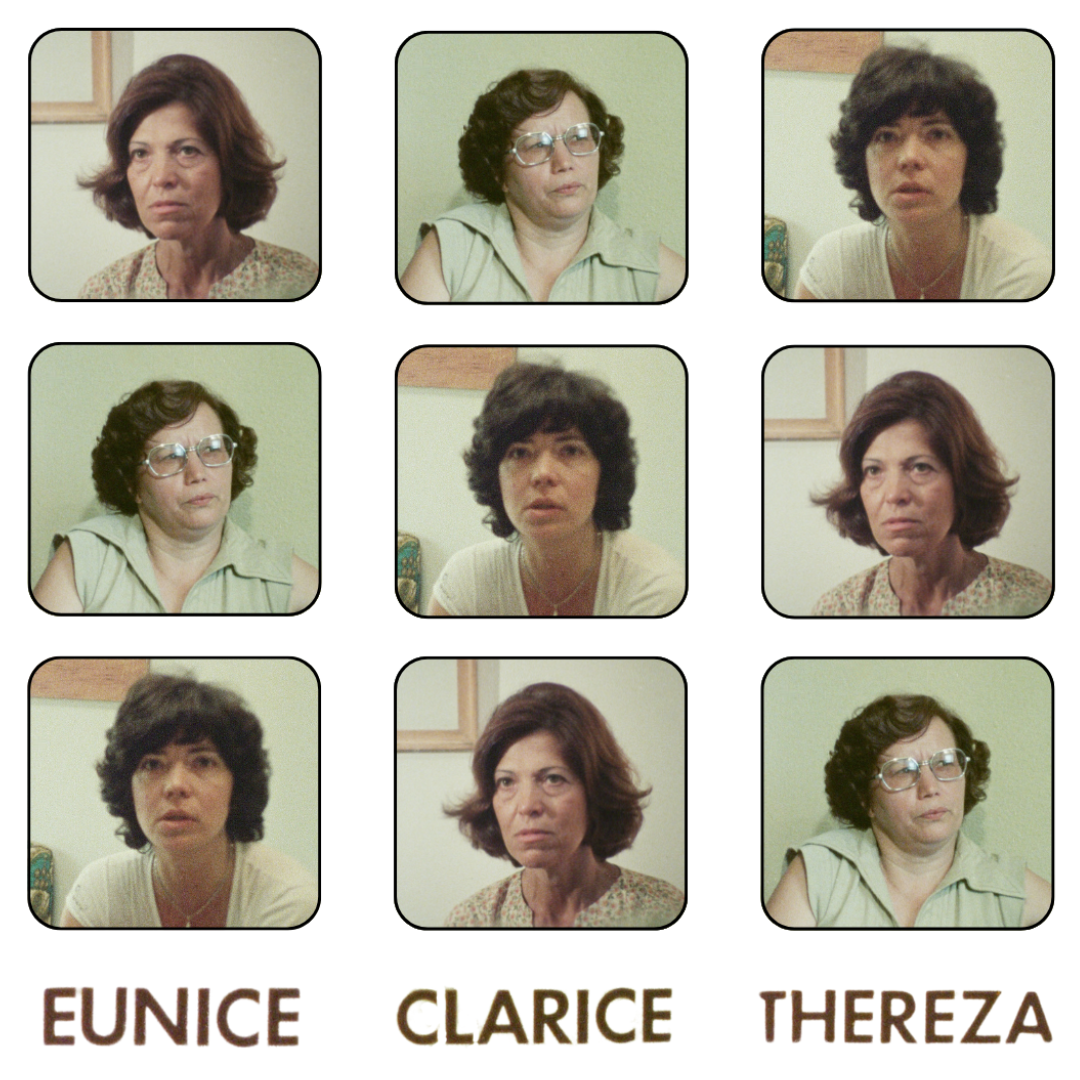
Filmado durante a ditadura militar brasileira, Eunice, Clarice, Thereza reúne depoimentos poderosos de três viúvas de presos políticos: Eunice Paiva, Clarice Herzog e Thereza Fiel. Seus relatos—diretos, sem adjetivações e profundamente pessoais—reconstroem a memória da repressão estatal a partir de uma perspectiva íntima, expondo o impacto humano da violência autoritária.
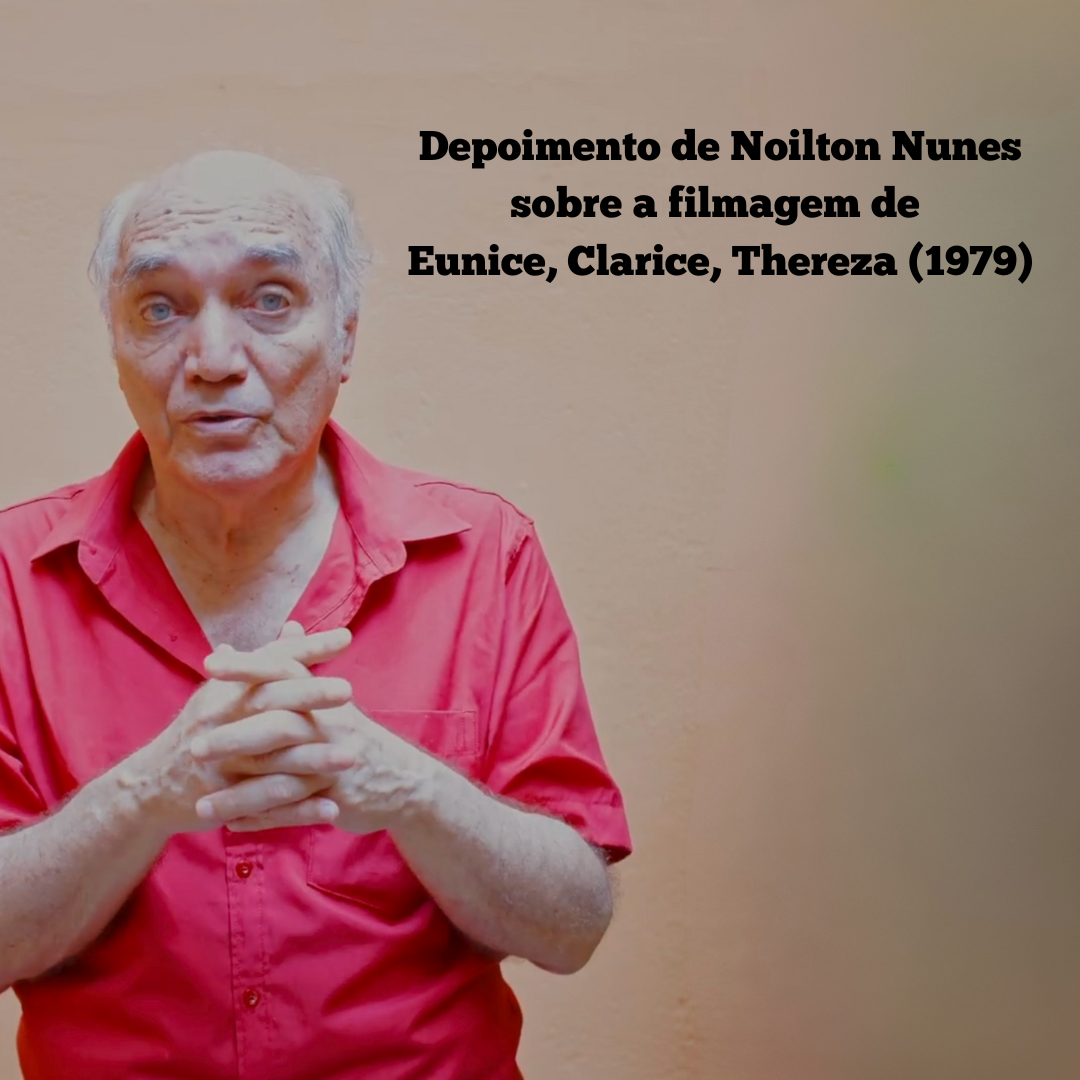
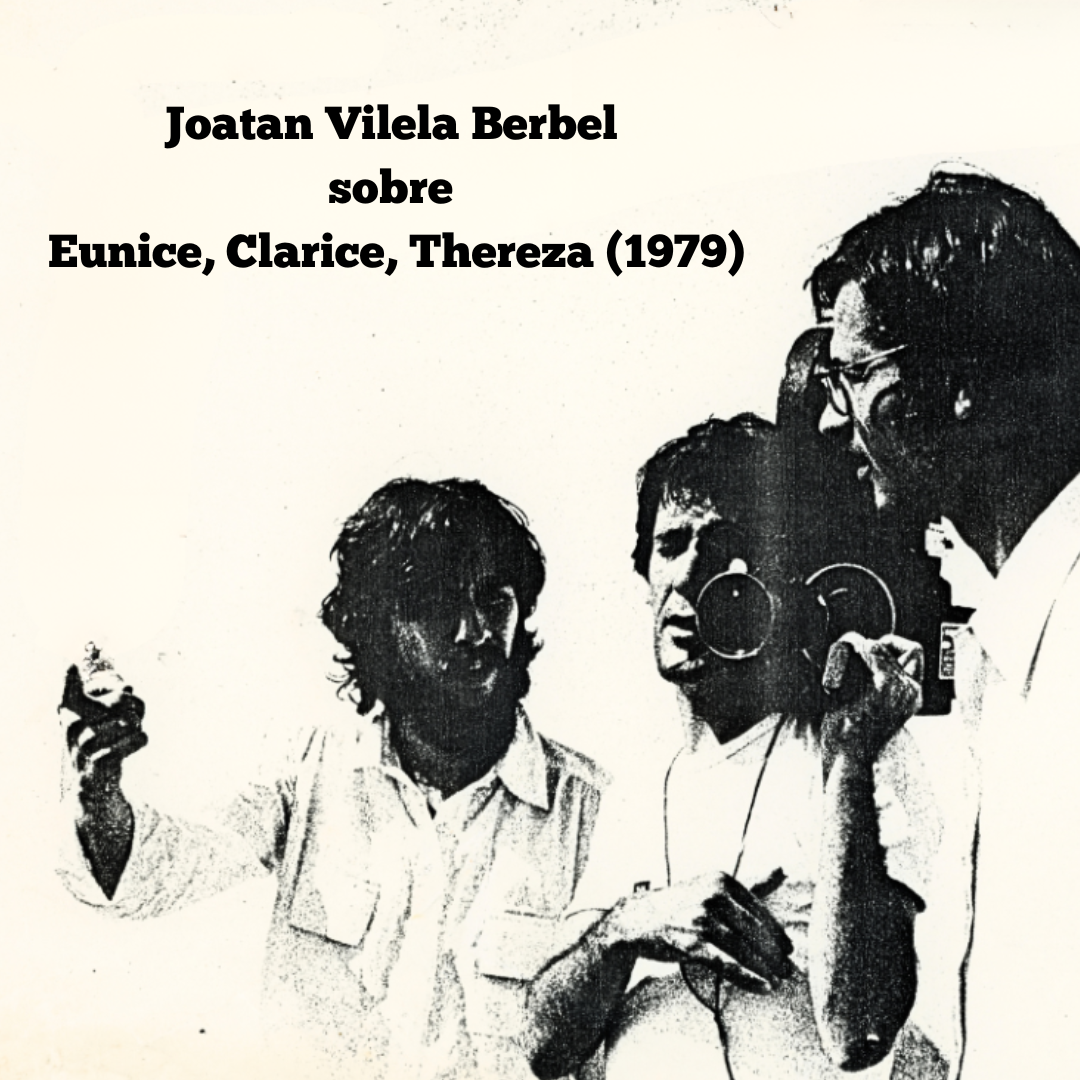
Joatan Vilela Berbel, então um cineasta emergente, se interessou pelas histórias de Eunice Paiva, Clarice Herzog e Thereza Fiel à medida que suas lutas ganhavam atenção na imprensa. Percebendo como seus depoimentos estavam moldando a conscientização pública, ele concebeu a ideia de reunir essas histórias em um filme—usando o cinema como meio para documentar suas experiências e garantir que suas vozes fossem registradas. Com a ajuda de outros cineastas, incluindo Silvio Da-Rin, Noilton Nunes e José Carlos Avellar, Joatan entrou em contato com essas três mulheres, que corajosamente concordaram em compartilhar seus relatos em frente às câmeras.
Produzido sob constante ameaça de censura, Eunice, Clarice, Thereza foi exibido em sindicatos, cineclubes e espaços de ativismo, tornando-se uma ferramenta crucial de mobilização contra a ditadura. Hoje, o filme continua sendo um documento vital, oferecendo um depoimento em primeira mão sobre o trauma causado pela violência estatal.
O filme também ganha nova relevância à luz de Ainda Estou Aqui (2024), de Walter Salles, uma adaptação ficcionalizada da obra de Marcelo Paiva, que conta a história de sua mãe, Eunice Paiva. À medida que o filme de Salles traz atenção global à história de Eunice, o documentário de Joatan funciona como um contraponto essencial—um registro cru e irrefutável daquela época.
Em Eunice, Clarice, Thereza, não precisamos imaginar o que foi ser a viúva de uma pessoa desaparecida. Vemos nas expressões e na linguagem corporal de cada uma das viúvas o peso de seu trauma. Em suas palavras, ouvimos a brutalidade que viveram e o impacto duradouro em suas vidas. O filme se firma não apenas como um registro histórico comovente, mas também como uma das obras essenciais do cinema documental brasileiro do século 20.
Restaurado em 2K a partir de uma cópia combinada preservada no Arquivo Nacional no Rio de Janeiro—especificamente na seção da Comissão Nacional da Verdade, dedicada a resguardar os registros das violações dos direitos humanos durante a ditadura—esta versão digital corrige o desbotamento das cores e sujeiras sob a supervisão do diretor. Agora, mais de 40 anos após sua estreia, Eunice, Clarice, Thereza continua a ressoar como um testemunho de resistência e resiliência.
Cinelimite presents, in collaboration with director Joatan Vilela Berbel, a new 2K digital copy of the film Eunice, Clarice, Thereza (1979).
Filmed during Brazil’s military dictatorship, Eunice, Clarice, Thereza brings together the powerful testimonies of three widows of political prisoners: Eunice Paiva, Clarice Herzog, and Thereza Fiel. Their accounts—direct, unembellished, and deeply personal—reconstruct the memory of state repression from an intimate perspective, exposing the human impact of authoritarian violence.
At the time an emerging filmmaker, Joatan Vilela Berbel became interested in the stories of Eunice Paiva, Clarice Herzog, and Thereza Fiel as their struggles began to receive attention in the press. Realizing how their testimonies were shaping public awareness, he conceived the idea of bringing their stories together in a film—using cinema as a means to document their experiences and ensure their voices were preserved. With the support of fellow filmmakers including Silvio Da-Rin, Noilton Nunes, and José Carlos Avellar, Joatan reached out to the three women, who courageously agreed to share their stories on camera.
Produced under constant threat of censorship, Eunice, Clarice, Thereza was shown in labor unions, film clubs, and activist spaces, becoming a crucial tool for mobilization against the dictatorship. Today, the film remains a vital document, offering firsthand testimony of the trauma inflicted by state violence.
The film also gains renewed relevance in light of I’m Still Here (2024) by Walter Salles, a fictionalized adaptation of Marcelo Paiva’s work, which tells the story of his mother, Eunice Paiva. As Salles’s film brings global attention to Eunice’s story, Joatan’s documentary serves as an essential counterpoint—a raw, irrefutable record of that era.
In Eunice, Clarice, Thereza, we don’t need to imagine what it was like to be the widow of a disappeared person. We see in the expressions and body language of each widow the weight of their trauma. In their words, we hear the brutality they endured and the lasting impact it had on their lives. The film stands not only as a moving historical record but also as one of the essential works of Brazilian documentary cinema of the 20th century.
Restored in 2K from a positive print preserved at the National Archives in Rio de Janeiro—specifically within the section of the National Truth Commission dedicated to safeguarding records of human rights violations during the dictatorship—this digital version corrects color fading and surface damage under the director’s supervision. Now, more than 40 years after its premiere, Eunice, Clarice, Thereza continues to resonate as a testament to resistance and resilience.
Agradecimentos Especias: Arquivo Nacional do Rio de Janeiro